Amnesty, 22 groups condemn 10-year sentence for Pakistani rights lawyers
Synopsis
Twenty-three international human rights organisations, led by Amnesty International, have condemned Pakistan's sentencing of lawyers Imaan Zainab Mazari-Hazir and Hadi Ali Chattha to 10 years under the Anti-Terrorism Act — triggered, reportedly, by their alleged interference during a cricket team's visit. The case, marred by a cage-in-courtroom trial inside Adiala prison, has drawn global scrutiny as a stark test of judicial independence in Pakistan.
Key Takeaways
Amnesty International and 22 other international organisations jointly condemned the sentences on 6 November 2026 .
Lawyers Imaan Zainab Mazari-Hazir and Hadi Ali Chattha were each sentenced to 10 years under the Anti-Terrorism Act, 1997 , plus 3 years under the Pakistan Penal Code , and fined Rs 1 lakh each.
The trial took place inside Adiala prison, Rawalpindi ; the accused were reportedly kept in a cage-like structure, raising fair-trial concerns.
The case stems from allegations the couple interfered in state affairs during an international cricket team's visit to Pakistan in October 2024 .
In September , authorities re-arrested the two lawyers hours after Pakistan's Supreme Court granted them bail.
International groups have called for their immediate and unconditional release and for the convictions to be quashed.
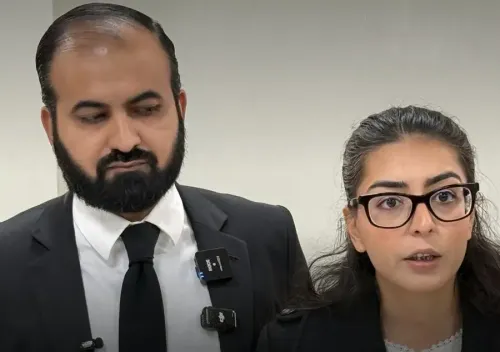
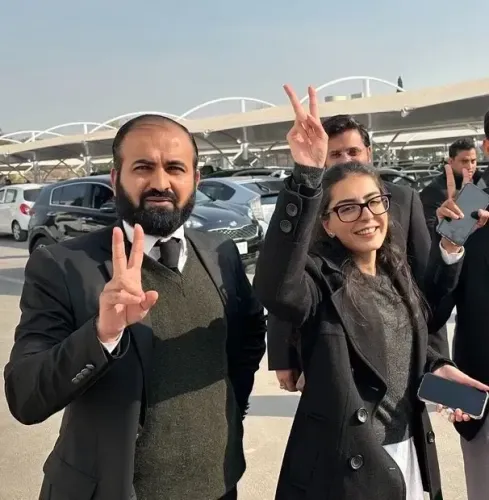
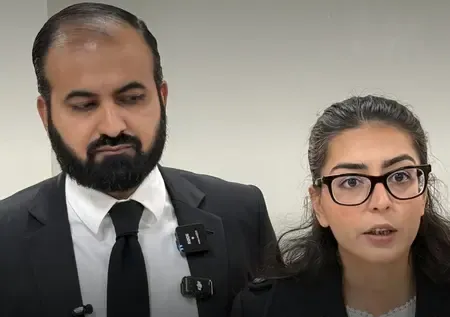
Amnesty International, alongside 22 other international civil society organisations, on 6 November 2026 strongly condemned the sentencing of prominent Pakistani human rights lawyers Imaan Zainab Mazari-Hazir and Hadi Ali Chattha to 10 years' imprisonment, calling the convictions a significant escalation in the misuse of Pakistan's criminal justice system. The joint statement describes the verdicts as a calculated attempt to intimidate lawyers engaged in legitimate human rights work.
The Convictions and Their Legal Basis
A Pakistani anti-terrorism court on 29 October sentenced Mazari-Hazir and Chattha to 10 years each under Pakistan's Anti-Terrorism Act (ATA), 1997, and an additional three years each under the Pakistan Penal Code. Each was also fined Rs 1 lakh. The case was registered at Islamabad's Aabpara Police Station, with authorities alleging the couple threatened national security by interfering in state affairs during an international cricket team's visit to Pakistan in October 2024, according to Pakistani media reports.
Fair Trial Concerns Raised
The joint statement raised serious procedural concerns about the conduct of the trial, which took place inside Adiala prison in Rawalpindi. 'According to reports, Mazari-Hazir and Chattha were kept in a cage-like structure inside the courtroom throughout the trial, preventing effective communication with their legal counsel and the court,' the organisations said. Critics argue this arrangement directly undermined the lawyers' right to a fair defence.
A Pattern of Persecution
This is not the first time the two lawyers have faced institutional pressure. In September, Amnesty International condemned the re-arrest of the pair just hours after Pakistan's Supreme Court granted them bail — an action the organisation characterised as misuse of the justice system to suppress critical voices. The statement noted that 'the successive proceedings in the barrier removal case, and their prolonged deprivation of liberty despite the Supreme Court's intervention, reinforce our concern that the criminal proceedings are calculated to make an example of the two lawyers.' Rights groups warn this risks creating a chilling effect on the independence of the legal profession in Pakistan and on access to justice more broadly.
International Demands for Release
The 23 organisations, speaking collectively, called on the Pakistani government to immediately and unconditionally release Imaan Zainab Mazari-Hazir and Hadi Ali Chattha, and to take appropriate steps to have the convictions quashed. 'We stand in solidarity with Imaan Mazari-Hazir and Hadi Ali Chattha, and with all lawyers in Pakistan who continue to defend human rights and the rule of law despite the fear of reprisals,' the statement concluded.
Wider Implications for Pakistan's Legal Community
The case has drawn attention to a broader pattern of anti-terrorism legislation being applied to civil society actors and legal professionals in Pakistan. Human rights observers note that the use of the ATA — a law designed for militancy cases — against lawyers defending civic rights sets a troubling precedent. The outcome of this case is being closely watched by bar associations and rights bodies across South Asia.
Point of View
Not merely prosecutorial overreach. Pakistan has long faced scrutiny over shrinking civic space, but cases that visibly pit the executive against the apex court threaten the foundational credibility of the legal system itself. The international chorus of condemnation will mount diplomatic pressure, but past experience suggests Islamabad weathers such criticism with limited policy change absent specific bilateral consequences.
NationPress
6 Nov 2026
Frequently Asked Questions
Why were Pakistani lawyers Imaan Mazari-Hazir and Hadi Ali Chattha sentenced?
They were sentenced by a Pakistani anti-terrorism court on 29 October under the Anti-Terrorism Act, 1997, following allegations that they threatened national security by interfering in state affairs during an international cricket team's visit to Pakistan in October 2024. Each received a 10-year term under the ATA and an additional 3 years under the Pakistan Penal Code.
Who condemned the sentencing of the Pakistani lawyers?
Amnesty International, along with 22 other international civil society organisations, issued a joint statement on 6 November condemning the convictions. The 23 groups collectively demanded the immediate and unconditional release of both lawyers and called for the convictions to be quashed.
What were the fair trial concerns raised about the case?
The trial was held inside Adiala prison in Rawalpindi, and the accused were reportedly kept in a cage-like structure throughout proceedings, which critics say prevented effective communication with their legal counsel and the court. The organisations stated the trial failed to meet internationally recognised fair trial standards.
Were the lawyers arrested before this sentencing?
Yes. In September, Pakistani authorities re-arrested both lawyers just hours after Pakistan's Supreme Court granted them bail — an action Amnesty International condemned as misuse of the justice system to silence critical voices. This prior episode forms part of the broader pattern highlighted in the joint statement.
What is the broader significance of this case for Pakistan's legal community?
Rights groups warn the case creates a chilling effect on the independence of the legal profession in Pakistan and on access to justice. The use of the Anti-Terrorism Act — typically reserved for militancy cases — against civil society lawyers is seen as a precedent that could deter others from undertaking human rights work.