Pakistan anti-terrorism law misused against human rights lawyer Imaan Mazari, analysts say
Synopsis
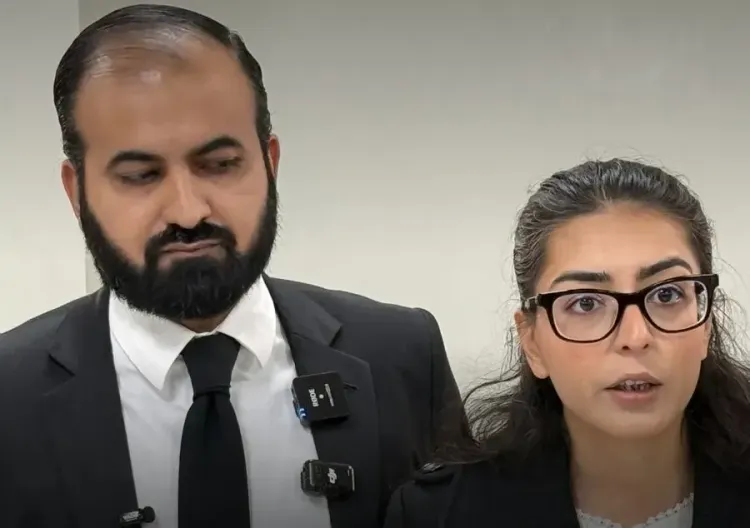
A Pakistani anti-terrorism court handed human rights lawyer Imaan Mazari Zainab-Hazir and her husband 10 years each for removing a road barrier during a cricket tour — a move the court itself called 'ordinary'. With HRW demanding the convictions be quashed and analysts drawing parallels to Pakistan's history of judicial manipulation against dissidents, the case has become a flashpoint for the country's deepening crackdown on rights advocacy.
Key Takeaways
Imaan Mazari Zainab-Hazir and husband Hadi Ali Chattha were sentenced to 10 years' imprisonment each by a Pakistani anti-terrorism court.
The conviction related to an alleged security breach during an international cricket tour in 2024 — removing a road barrier in Islamabad .
The court itself described the act as a 'very common nature, ordinary type of incident' before invoking anti-terrorism law.
Human Rights Watch called the sentences 'outrageous' and demanded Pakistan quash the convictions and release both individuals.
The UN Special Rapporteur Mary Lawlor had previously criticised Pakistan for what she called an 'arbitrary use of the legal system' against Mazari.
Analysts linked the case to a broader pattern of judicial pressure on dissidents, citing historical precedents under Zia ul Haq and Pervez Musharraf .
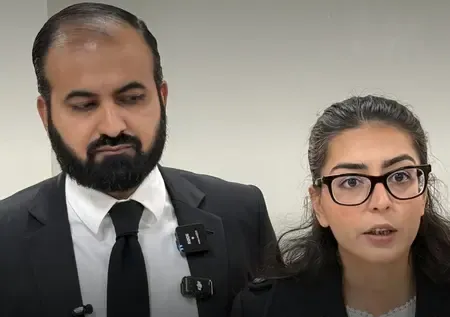
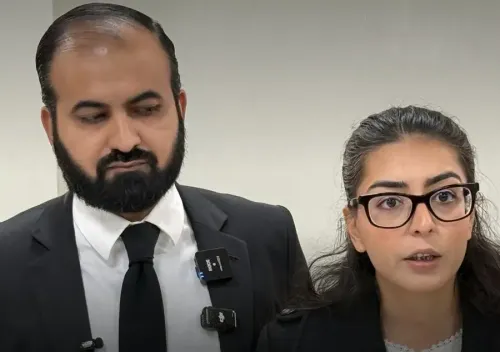
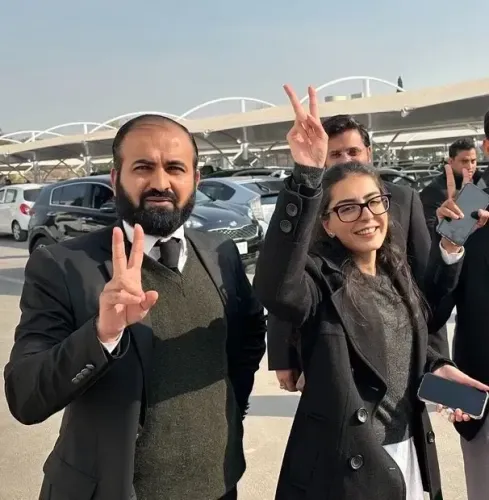
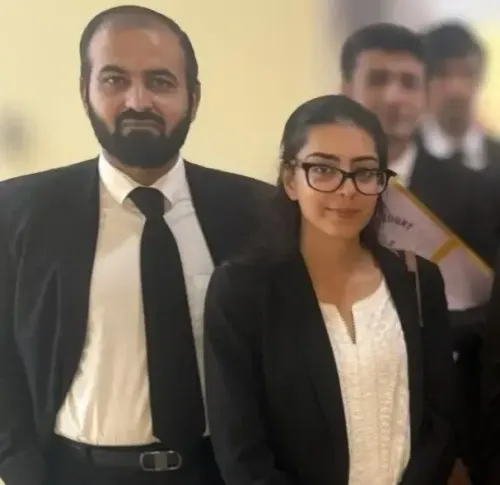
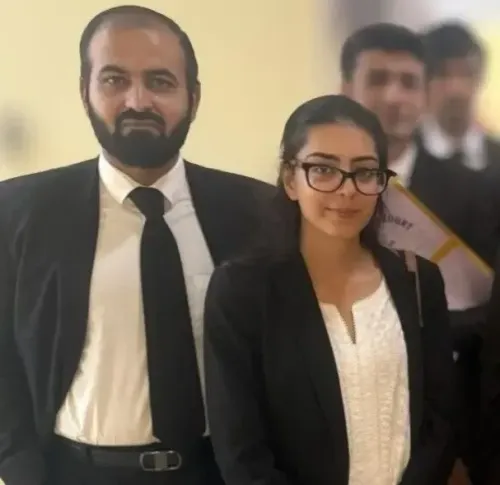
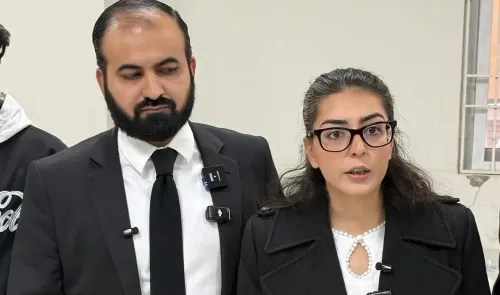
A Pakistani anti-terrorism court has sentenced human rights lawyer Imaan Mazari Zainab-Hazir and her husband Hadi Ali Chattha to 10 years' imprisonment each, invoking anti-terrorism statutes over an alleged security breach during an international cricket tour in 2024. Analysts and human rights organisations have widely condemned the verdict as a misuse of counter-terrorism law, with one defence expert describing it as a 'fixed judgement'.
What the Court Ruled
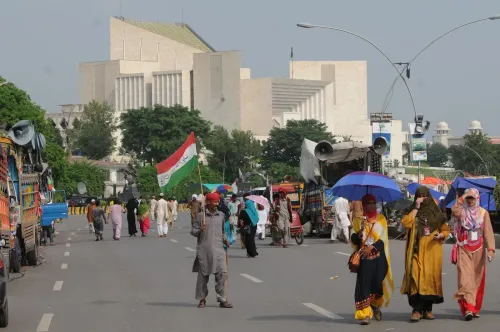
Prosecutors alleged that Mazari and Chattha removed barriers placed on a road designated for a cricket team's security convoy and obstructed police movement in Islamabad. The court itself acknowledged it was a 'very common nature, ordinary type of incident apparently of removal of a barrier' — yet invoked the Anti-Terrorism Act, ruling that the act constituted a 'major security breach' because it occurred during the visit of an international cricket team. The court cited the 2009 attack on the Sri Lankan cricket team in Lahore to justify the characterisation.
Retired Indian Army officer Colonel Nilesh Kunwar, writing in Eurasia Review, argued that the court's own admission of the incident's mundane nature amounted to a 'cryptic message that their heart wasn't in the judgement', suggesting the ruling was handed down under external pressure rather than legal merit.
Who Is Imaan Mazari Zainab-Hazir
Pakistani journalist Asad Ali Toor described Mazari as a 'constant challenge for the State' — a lawyer who provided legal assistance to families of Baloch individuals subjected to enforced disappearances allegedly carried out by the Pakistani army and law enforcement agencies under the command of Army Chief General Asim Munir. She also defended human rights activist Mahrang Baloch and Afghan nationals reportedly harassed by Pakistani authorities.
Her profile drew international recognition: the World Expression Forum presented her the Young Inspiration Award in 2025, citing her 'extraordinary courage, integrity, and impact in the struggle for the rule of law and justice.' At the time of her earlier arrest on sedition charges, UN Special Rapporteur for Human Rights Defenders Mary Lawlor criticised Pakistan, stating that the cases against Mazari 'appear to reflect an arbitrary use of the legal system to harass and intimidate.'
Pattern of Judicial Pressure, Critics Say
Colonel Kunwar's analysis drew a direct historical parallel, noting that Pakistan's then-Army Chief Zia ul Haq and General Pervez Musharraf had followed similar patterns against Prime Ministers Zulfikar Ali Bhutto and Nawaz Sharif respectively. According to the report, General Asim Munir reportedly viewed Mazari as a serious threat, and her removal from public life through judicial means was seen as the most convenient method available. This comes amid a broader crackdown on dissent and Baloch rights advocacy in Pakistan.
International Condemnation
US-based advocacy group Human Rights Watch (HRW) called on Pakistani authorities to immediately quash the convictions and release both Imaan Mazari Zainab-Hazir and Hadi Ali Chattha. Patricia Gossman, Senior Associate Asia Director at HRW, said: 'Prosecuting two human rights lawyers for terrorism sends a chilling message to everyone who speaks up for fundamental rights in Pakistan. The authorities should quash the outrageous 10-year sentences handed down to Imaan Mazari-Hazir and Hadi Ali Chattha.'
Gossman further warned: 'Punishing lawyers and human rights activists for defending rights leaves those they represent without protection. Concerned governments should press Pakistan to end its crackdown on human rights advocacy.'
The Baloch Women Forum (BWF) called the verdict a 'blatant assault on fundamental rights, freedom of expression and the very principles of justice', adding: 'A system that imprisons those demanding justice while silencing dissent cannot claim to uphold the rule of law.'
What Happens Next
With HRW and international bodies calling for the convictions to be quashed, pressure is mounting on Pakistan's civilian and judicial establishment. Whether the higher judiciary will take up the case — or whether international diplomatic pressure will compel any change — remains to be seen. The verdict is being closely watched as a test of Pakistan's commitment to rule of law ahead of upcoming reviews by international human rights bodies.
Point of View
And analysts are right to read that as a signal of judicial discomfort with a politically directed outcome. Pakistan's use of counter-terrorism statutes against civil society defenders is not new, but the Mazari case makes the mechanism more visible than usual. The international spotlight — HRW, a UN Special Rapporteur, a global award in 2025 — has not deterred Rawalpindi, which suggests the calculus there prioritises domestic control over reputational cost. The question is whether Pakistan's superior judiciary will correct the record, or whether this becomes another precedent quietly absorbed into a long line of managed verdicts.
NationPress
3 Nov 2026
Frequently Asked Questions
Why was Imaan Mazari Zainab-Hazir sentenced to 10 years in Pakistan?
A Pakistani anti-terrorism court sentenced Imaan Mazari Zainab-Hazir and her husband Hadi Ali Chattha to 10 years each for allegedly removing a road barrier and obstructing police during an international cricket team's visit to Islamabad in 2024. The court invoked anti-terrorism law, ruling it constituted a 'major security breach', a characterisation widely condemned by human rights groups as disproportionate.
What is Human Rights Watch saying about the Pakistan verdict?
Human Rights Watch has called the 10-year sentences 'outrageous' and demanded Pakistani authorities immediately quash the convictions and release both Imaan Mazari Zainab-Hazir and Hadi Ali Chattha. HRW's Senior Associate Asia Director Patricia Gossman warned the prosecution sends a 'chilling message' to all human rights advocates in Pakistan.
Who is Imaan Mazari Zainab-Hazir?
Imaan Mazari Zainab-Hazir is a Pakistani human rights lawyer known for representing families of Baloch individuals subjected to enforced disappearances and defending activist Mahrang Baloch. She received the World Expression Forum's Young Inspiration Award in 2025 for her work in the rule of law, and the UN Special Rapporteur for Human Rights Defenders had previously criticised Pakistan's legal cases against her.
How did analysts describe the Pakistan anti-terrorism court ruling?
Retired Indian Army officer Colonel Nilesh Kunwar, writing in Eurasia Review, called the verdict a 'fixed judgement', arguing that the court's own admission that the incident was of an 'ordinary type' directly undermined its legal basis for applying anti-terrorism law. He drew parallels to past instances of judicial manipulation under Pakistani army chiefs Zia ul Haq and Pervez Musharraf.
What broader pattern does the Mazari-Chattha case reflect?
Analysts say the case reflects a pattern of using counter-terrorism and sedition laws to silence civil society voices critical of the Pakistani military establishment, particularly those advocating for Baloch rights. The Baloch Women Forum called it a 'blatant assault on fundamental rights', and the UN had previously flagged arbitrary use of legal processes against Mazari before this latest conviction.