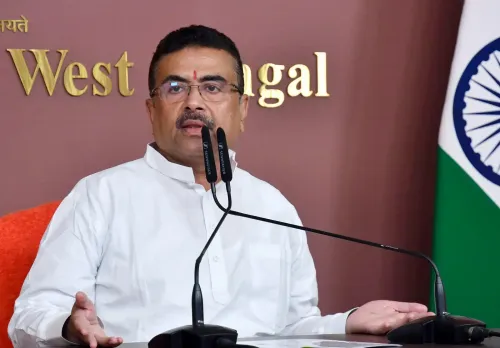
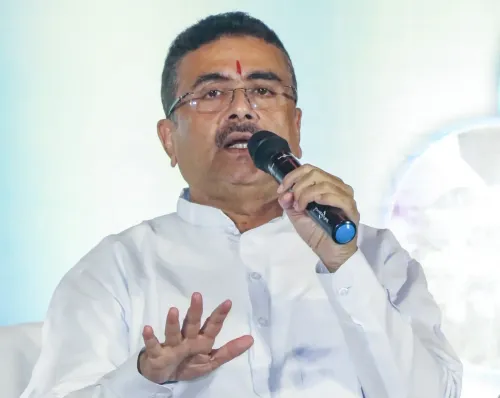
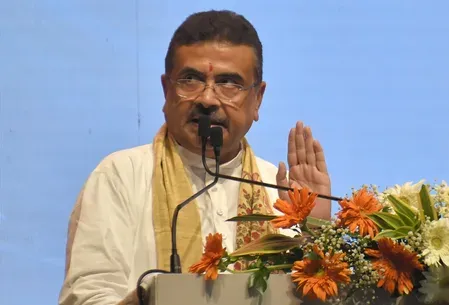
West Bengal CM Suvendu Adhikari to give musical instruments to 324 state hostels

Synopsis
West Bengal CM Suvendu Adhikari's visit to a tribal girls' hostel in Alipurduar that sat locked for six years became the backdrop for two welfare announcements: musical instruments for all 324 state residential hostels, and a near-doubling of the monthly student allowance from ₹1,800 to ₹3,300 — with 14,753 students watching live via virtual link.
Key Takeaways
CM Suvendu Adhikari announced musical instruments, including harmoniums, for all 324 residential hostels in West Bengal on 18 November 2026 .
The announcement was made at Loknathpur Ashram Hostel , Alipurduar district , during a live visit.
14,753 students across the state's hostels joined the event through a virtual session.
Monthly student allowance has been increased from ₹1,800 to ₹3,300 .
Loknathpur Ashram Hostel was built in 2018 but remained shut until 2024 ; it currently houses 25 tribal girls out of a 30-seat capacity.
This is Adhikari's third visit to Alipurduar since the BJP came to power in the state.
West Bengal Chief Minister Suvendu Adhikari on Wednesday, 18 November 2026, announced that musical instruments — including harmoniums — will be provided to each of the state's 324 residential hostels, aiming to nurture cultural talent alongside academic pursuits among tribal and backward-class students. The announcement was made during Adhikari's visit to Loknathpur Ashram Hostel in Alipurduar district.
Key Announcement at Loknathpur Ashram
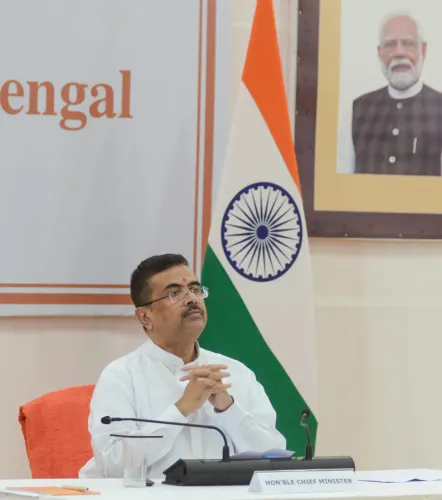
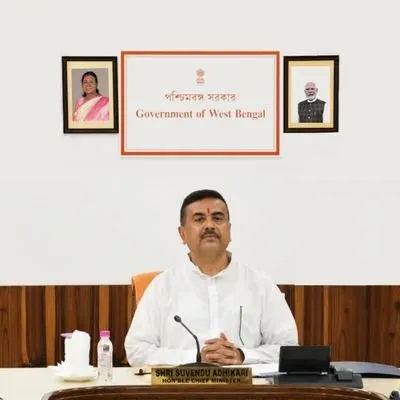
During the visit, Chief Minister Adhikari interacted directly with students at the hostel, inquiring about their studies, accommodation, and daily facilities. He also addressed 14,753 students across all 324 residential hostels via a virtual session. Encouraged by a live cultural performance by students, he announced the musical instrument initiative on the spot.
Addressing the students, Adhikari said, 'We have to study with our hearts. In the future, we have to establish ourselves as doctors and engineers.'
Monthly Allowance Hiked to ₹3,300
The Chief Minister also highlighted a welfare improvement at the hostels, noting that the monthly allowance for residential students has been raised from ₹1,800 to ₹3,300. He additionally sought feedback from students on whether the quality of food had improved compared to previous standards — signalling a focus on on-ground accountability.
About Loknathpur Ashram Hostel
The Loknathpur Ashram Hostel, run by the Backward Classes Welfare Department of the West Bengal government, was established to provide education to tribal girls from remote and inaccessible areas. Though constructed in 2018, it remained shut for nearly six years before finally opening in 2024. It has accommodation for 30 girls, with 25 currently residing there.
Third Visit to Alipurduar Under BJP Rule
This is Adhikari's third visit to Alipurduar since the Bharatiya Janata Party (BJP) came to power in the state, underscoring the government's continued focus on welfare and outreach in the district. The administration's engagement with tribal-centric institutions in this region reflects a broader political and developmental push in areas that have historically seen limited institutional attention.
What It Means for Students
The provision of musical instruments across all 324 residential hostels is expected to open structured avenues for cultural participation in institutions that have so far been largely academic in focus. For marginalised tribal students — many of whom travel from remote villages — this could represent a rare opportunity for holistic development. The forward-looking intent, as Adhikari framed it, is to blend cultural identity with academic aspiration.
Point of View
Procurement timeline, or delivery mechanism has been stated. The ₹3,300 monthly allowance hike is a tangible welfare step, but the Loknathpur hostel's six-year closure before opening in 2024 is a sharper story: it exposes how infrastructure built for marginalised tribal girls can sit idle for years under successive administrations. Adhikari's third visit to Alipurduar in rapid succession suggests a deliberate political outreach to a region the BJP has prioritised, but sustained outcomes will depend on whether these announcements translate into funded, monitored programmes rather than optics on a visit day.
NationPress
18 Nov 2026
Frequently Asked Questions
What did West Bengal CM Suvendu Adhikari announce for residential hostels?
Chief Minister Suvendu Adhikari announced on 18 November 2026 that musical instruments, including harmoniums, will be provided to each of West Bengal's 324 residential hostels to encourage cultural activities alongside studies. The announcement was made during his visit to Loknathpur Ashram Hostel in Alipurduar.
How many students were connected during Adhikari's hostel visit?
A total of 14,753 students from across the state's 324 residential hostels joined Chief Minister Adhikari's address via a virtual session during his visit to Loknathpur Ashram Hostel on 18 November 2026.
What is the new monthly allowance for West Bengal hostel students?
The monthly allowance for residential hostel students in West Bengal has been increased from ₹1,800 to ₹3,300, as announced by Chief Minister Suvendu Adhikari during his visit to Alipurduar.
What is the Loknathpur Ashram Hostel and who does it serve?
Loknathpur Ashram Hostel in Alipurduar is run by the Backward Classes Welfare Department of the West Bengal government and is designed to provide education to tribal girls from remote and inaccessible areas. It was constructed in 2018 but only opened in 2024, and currently houses 25 girls with a capacity of 30.
How many times has CM Adhikari visited Alipurduar since the BJP came to power?
This was Chief Minister Suvendu Adhikari's third visit to Alipurduar since the BJP government came to power in West Bengal, reflecting the administration's continued focus on outreach and welfare in the district.