Could Security Gaps in Afghan Evacuee Vetting Lead to Attacks?
Synopsis
Amid growing concerns over security, U.S. lawmakers are sounding alarms about the vetting of Afghan evacuees. With lapses in screening procedures following the 2021 withdrawal from Kabul, lawmakers warn that these gaps could leave the nation susceptible to attacks. Explore the implications of this serious issue and the ongoing debate surrounding it.
Key Takeaways
Concerns over security lapses in Afghan evacuee vetting have been raised by U.S. lawmakers.
The Biden administration is accused of misusing humanitarian parole.
Over 70,000 Afghan nationals were paroled, some reportedly unvetted.
Link established between vetting gaps and serious incidents like shootings.
Democratic lawmakers assert thorough vetting processes were implemented.
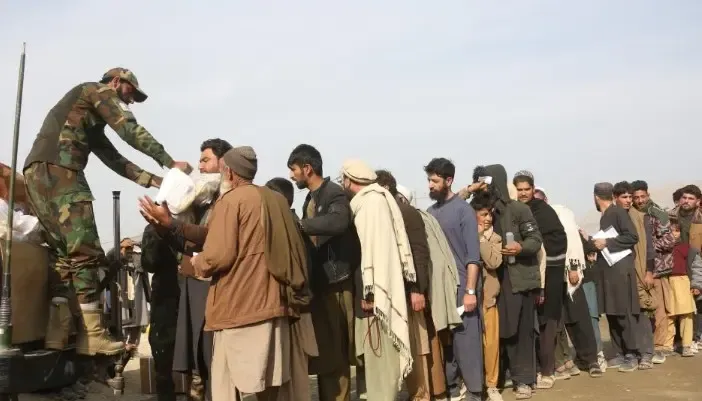
Washington, Jan 17 (NationPress) Senior lawmakers in the United States have expressed concerns that deficiencies in the vetting process for Afghan evacuees following the 2021 withdrawal from Kabul may expose the nation to the risk of future attacks.
During a Senate Judiciary subcommittee hearing focused on immigration and border security, Republican senators accused the Biden administration of improperly utilizing humanitarian parole to permit a significant influx of Afghan nationals into the U.S. without adequate background checks.
Senator John Cornyn, a leading Republican figure, criticized the administration for executing a “haphazard evacuation and parole process for over 70,000 Afghan nationals” after Kabul's fall. He asserted that “many of these individuals were unvetted and permitted to move freely across the U.S., despite existing derogatory information or concerns.”
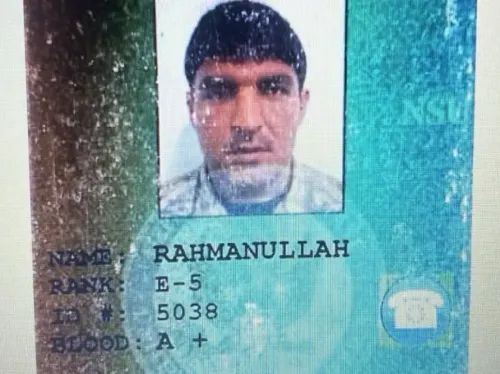
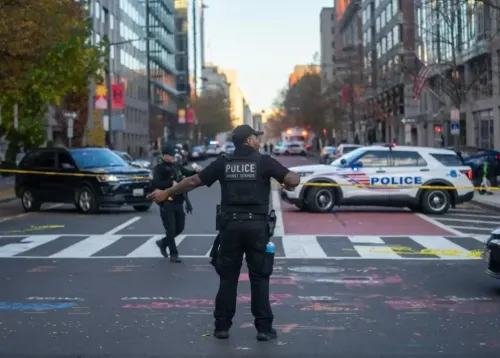
Cornyn connected this issue to a tragic shooting incident on November 26 in Washington, which resulted in the death of National Guard Specialist Sarah Beckstrom and left Staff Sergeant Andrew Wolfe critically injured. This incident was allegedly perpetrated by an Afghan national who arrived in the U.S. through the Operation Allies Welcome parole program.
“How did this individual gain entry into the United States in the first place?” Cornyn questioned, emphasizing that Americans “should not live in fear of individuals with affiliations to terrorist groups wandering in our country.”
Senator Josh Hawley claimed that standard screening protocols were overlooked during the evacuation, arguing that “proper vetting was not conducted,” with interviews and background checks often waived or rushed.
He suggested that tens of thousands of Afghans were allowed entry with minimal verification of their identities, locations, or potential risks.
Craig Adelman, Deputy Inspector General for Audits at the Department of Homeland Security, admitted that DHS “lacked a formal vetting and screening process at the outset of the OAW initiative.”
He revealed that critical biographical information was frequently missing, incomplete, or unreliable, including names and birth dates.
Adelman informed lawmakers that nearly 1,300 Afghan nationals entered the U.S. prior to having their biometrics recorded, with over 30,000 lacking formal identification documents, a number that later rose to approximately 36,000.
He also stated that DHS had granted parole to individuals who were later identified as national security threats.
Arne Baker, the senior official acting as Inspector General at the State Department, reported that 11 documents regarding Afghan screening, vetting, and relocation had been released by his office.
He pointed out “a significant level of identity fraud” in Afghanistan and noted that the department faced challenges with unreliable data and inconsistent criteria for identifying vulnerable individuals during the evacuation.
Michael Roark, Deputy Inspector General at the Department of Defense, indicated that not all accessible military and intelligence data was utilized during the vetting process.
He cautioned that analysts later discovered several Afghans in the U.S. with derogatory information from Defense Department databases, warning that lapses in information-sharing could pose security threats.
Democratic lawmakers dismissed claims that Afghan evacuees were largely unvetted, accusing Republicans of politicizing a tragedy. Senator Alex Padilla asserted that “every Afghan refugee underwent multiple rounds of thorough vetting,” both prior to and following their arrival, involving the intelligence community, the State Department, DHS, and the FBI.
Padilla condemned the notion that Afghan refugees were not vetted as “a complete fabrication.” She contended that the shooting incident in Washington reflected failures in post-arrival monitoring and mental health support, insisting that lawmakers should not “condemn the many for the egregious actions of one individual.”
Senator Dick Durbin echoed this sentiment, stating that it was reckless to use a singular incident to stigmatize an entire community. He cautioned that depicting Afghan allies as a collective threat could undermine U.S. credibility with partners who supported American forces abroad.
Point of View
It is essential to approach the ongoing debate surrounding Afghan evacuee vetting with a balanced perspective. While security is paramount, we must also recognize the complexities of humanitarian efforts and the need for comprehensive screening processes to ensure safety without stigmatization.
NationPress
1 Oct 2026
Frequently Asked Questions
What are the main concerns regarding Afghan evacuee vetting?
Lawmakers are worried about lapses in security screening that could allow individuals with ties to terrorist organizations to enter the U.S.
How many Afghan nationals were paroled into the U.S.?
Over 70,000 Afghan nationals were paroled into the U.S. following the 2021 withdrawal from Kabul.
What did the Senate hearing reveal about the vetting process?
The hearing indicated that many evacuees lacked proper background checks, with critical biographical data often missing or unreliable.
What link was made between vetting lapses and a shooting incident?
Senator John Cornyn connected the vetting issues to a shooting that resulted in the deaths of a National Guard member, allegedly by an Afghan national who entered via the evacuation program.
How did Democratic lawmakers respond to the accusations?
Democratic lawmakers defended the vetting process, stating that all Afghan refugees underwent multiple rounds of extensive checks involving various agencies.