Ahmedabad Railway Division cleans 132 km of drains, installs 260 pumps for monsoon
Synopsis
Ahmedabad Division of Western Railway has cleaned 132 km of drains, deployed 260 pumps at flood-prone underbridges, and pre-positioned tens of thousands of cubic metres of emergency ballast across four Gujarat locations — the most operationally detailed monsoon readiness exercise the division has disclosed this season.
Key Takeaways
Ahmedabad Division, Western Railway completed monsoon preparedness measures reviewed on Wednesday, 8 July .
132 kilometres of side drains cleaned; tree trimming carried out at 190 locations .
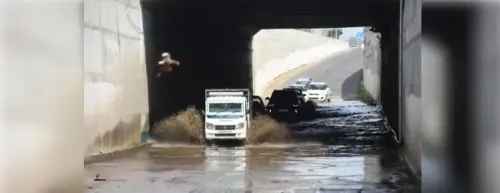
260 pumps (10 HP and 32 HP) installed at vulnerable Road Under Bridges (RUBs) to tackle waterlogging.
Flange clearance completed over 675 kilometres of track; 37 sumps installed for improved drainage.
Emergency ballast stocks pre-positioned at Dhrangadhra , Gandhidham , Maliya , and Adraj Moti , including 10,000 cubic metres of ballast each at Maliya and Adraj Moti.
Special emergency gangs kept on standby; round-the-clock monitoring of vulnerable bridges ordered.
The Ahmedabad Division of Western Railway has completed an extensive set of monsoon preparedness measures ahead of the 2025 rainy season, including cleaning 132 kilometres of side drains, deploying 260 pumps at vulnerable road underbridges, and pre-positioning emergency ballast stocks at key locations across Gujarat. The measures are aimed at ensuring safe and uninterrupted train operations during one of the most operationally challenging periods on the rail network.
Preparedness Meeting and Key Decisions
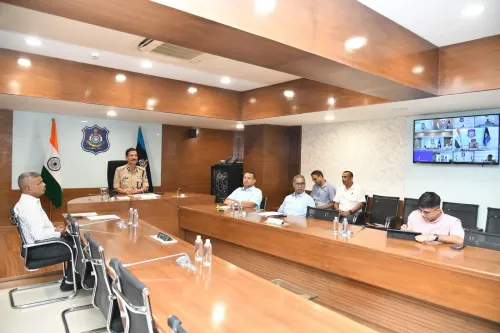
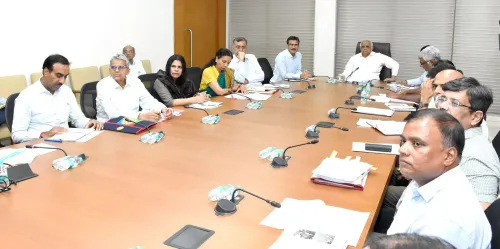
The monsoon readiness review was chaired by Divisional Railway Manager (DRM) Ved Prakash at the divisional office on Wednesday. Former Railway Board Member (Infrastructure) Anil Kumar Khandelwal attended as a special guest. Senior divisional officers, department heads responsible for monsoon management, and all Senior Section Engineers (Works) participated — with engineers joining virtually.
Addressing the gathering, DRM Ved Prakash said: 'Ahmedabad Division has made comprehensive preparations to ensure safe and uninterrupted train operations during the monsoon.' He added that tracks, bridges, drains, and culverts are inspected and cleaned before the onset of the rains, and that joint surveys are conducted with relevant state government departments to identify vulnerable locations and improve drainage.
Infrastructure Work Completed
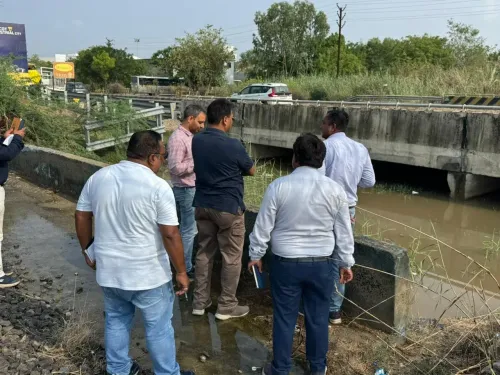
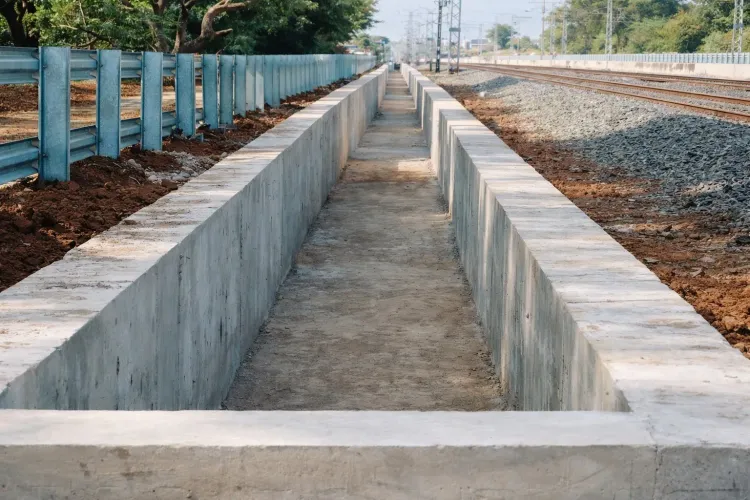
132 kilometres of side drains have been cleaned to strengthen the drainage network, and tree cutting and trimming have been carried out at 190 locations. To address waterlogging at Road Under Bridges (RUBs), 260 pumps — with capacities of 10 HP and 32 HP — have been installed. Flange clearance work has been completed over 675 kilometres of track and yard areas, and 37 sumps have been installed to further improve drainage.
'Special arrangements have been made to prevent waterlogging at stations and railway yards. Vulnerable bridges are being monitored round the clock, with caution orders to be issued whenever necessary. Station sheds, roofs and railway equipment have also been inspected as part of the seasonal safety drive,' Prakash said.
Emergency Stock Positioning
Emergency preparedness formed a significant part of the review. Adequate stocks of ballast and quarry dust have been positioned at Dhrangadhra, Gandhidham, Maliya, and Adraj Moti. Specifically, seven wagons each of ballast and quarry dust have been stored at Dhrangadhra; 20 wagons of ballast and 10 wagons of quarry dust at Gandhidham; and reserve stocks of 10,000 cubic metres of ballast each at Maliya and Adraj Moti. Special emergency gangs have been kept on standby for rapid deployment in the event of floods or other natural disasters.
Coordination and Monitoring Directives
Officials were directed to prioritise the regular cleaning of side drains, catchwater drains, cross drains, and station yard drains to minimise waterlogging risk and maintain track stability and signalling reliability. Strengthened inspections at vulnerable locations and close inter-departmental coordination — spanning engineering, signalling and telecommunications, electrical, and operating departments — were also mandated.
The meeting further resolved to maintain regular coordination with local authorities and village heads to continuously monitor Railway Affecting Tanks (RATs), enabling early identification of potential risks. Monsoon reserve materials and emergency restoration equipment are to remain readily available at vulnerable locations throughout the season.
Broader Context
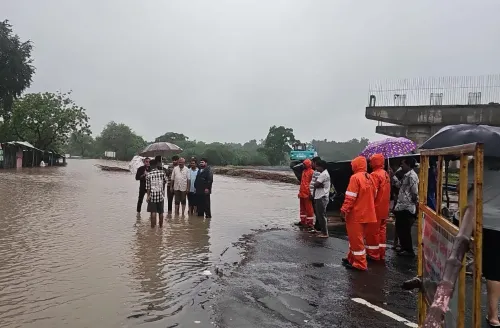
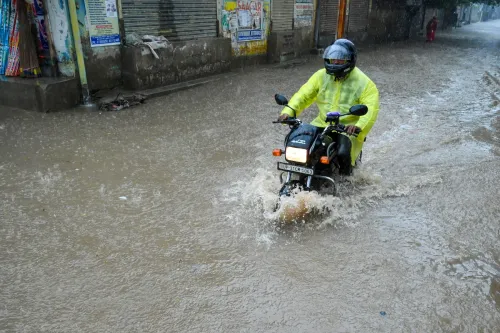
Gujarat's monsoon season historically poses significant operational challenges for Western Railway, with waterlogging, track washouts, and bridge stress among the recurring threats. This is the Ahmedabad Division's annual pre-monsoon exercise, but the scale of drain cleaning and pump deployment this year reflects heightened preparedness in the wake of severe flooding events in prior seasons. The division said it remains committed to passenger safety, protection of railway assets, and uninterrupted services through the monsoon.
Point of View
675 km of flange clearance, precise wagon counts at named depots — is a step above the generic 'monsoon preparedness complete' statements that typically accompany such exercises. What remains untested is whether the coordination between engineering, signalling, and operating departments holds under actual flood stress, which is where past disruptions on the Gujarat network have originated. The inclusion of Railway Affecting Tanks monitoring and village-level coordination is noteworthy; it signals that the division has absorbed lessons from localised inundation events. The real measure will come when the first heavy spell hits.
NationPress
7 Oct 2026
Frequently Asked Questions
What monsoon preparedness steps has Ahmedabad Railway Division taken in 2025?
The Ahmedabad Division of Western Railway has cleaned 132 kilometres of side drains, installed 260 pumps at vulnerable road underbridges, completed flange clearance over 675 kilometres of track, and pre-positioned emergency ballast stocks at four locations in Gujarat. The measures were reviewed at a meeting chaired by DRM Ved Prakash on 8 July.
Where have emergency ballast stocks been positioned for the monsoon?
Emergency stocks of ballast and quarry dust have been pre-positioned at Dhrangadhra, Gandhidham, Maliya, and Adraj Moti. Reserve stocks of 10,000 cubic metres of ballast each have been stored at Maliya and Adraj Moti for swift rail restoration in the event of floods.
Why are 260 pumps being installed at road underbridges?
Road Under Bridges (RUBs) are particularly vulnerable to waterlogging during heavy rain, which can disrupt road access and railway operations. The 260 pumps — rated at 10 HP and 32 HP — are designed to rapidly clear accumulated water and prevent prolonged disruption at these locations.
Who chaired the monsoon preparedness review meeting?
The review meeting was chaired by Divisional Railway Manager (DRM) Ved Prakash at the Ahmedabad divisional office on Wednesday, 8 July. Former Railway Board Member (Infrastructure) Anil Kumar Khandelwal attended as a special guest.
How is Ahmedabad Division monitoring vulnerable railway bridges during the monsoon?
Vulnerable bridges are being monitored round the clock, with caution orders to be issued whenever conditions warrant. The division is also coordinating with local authorities and village heads to monitor Railway Affecting Tanks (RATs) for early risk identification.