Army Eastern Command greets Sikkim, Nagaland on Tendong Lho Rum Faat and Metümnyo
Synopsis
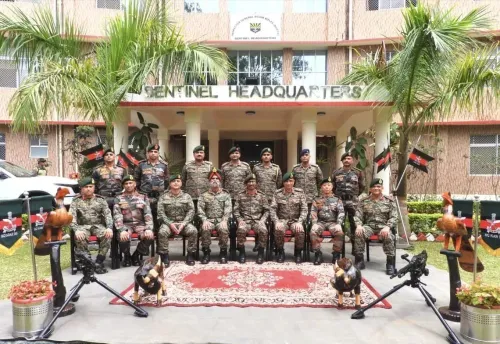
The Indian Army's Eastern Command marked two distinct northeastern festivals on 8 August — Sikkim's Lepcha-rooted Tendong Lho Rum Faat and Nagaland's Yimkhiung harvest festival Metümnyo — with public greetings on X. The gesture underscores the Command's deliberate cultural outreach in border states where it also maintains critical strategic deployments facing China.
Key Takeaways
The Indian Army's Eastern Command greeted Sikkim and Nagaland on 8 August via posts on social media platform X.
Tendong Lho Rum Faat is a Lepcha festival celebrated as a state holiday in Sikkim on 8 August , commemorating Mt Tendong as a saviour during a great deluge.
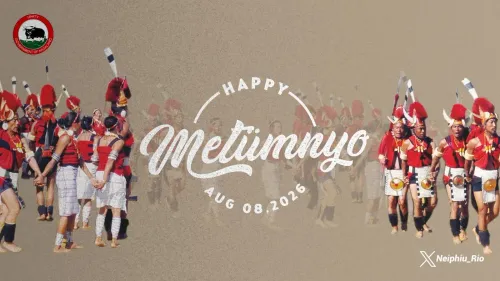
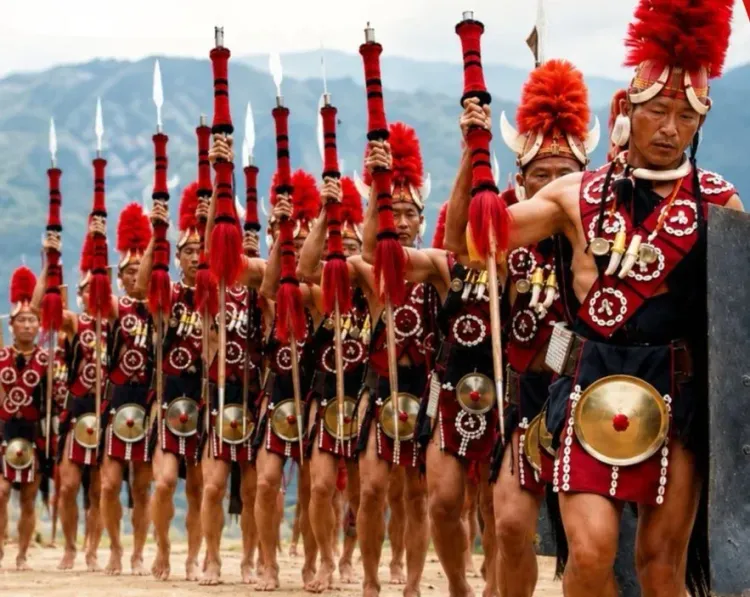
Metümnyo is a five-day harvest festival of the Yimkhiung tribe of Nagaland, held after the millet crop is harvested each August.
Eastern Command's XXIII Corps guards Sikkim's northern border with China ; its IV Corps is based in Dimapur and oversees the LAC in Arunachal Pradesh.
The Yimkhiung festival's five rituals cover communal cleaning, road repair, and worship of agricultural tools, culminating in prayers for the deceased.
The Indian Army's Eastern Command on Saturday, 8 August extended warm greetings to the people of Sikkim and Nagaland on the occasion of two distinct regional festivals — Tendong Lho Rum Faat and Metümnyo — reflecting the military's cultural outreach across its northeastern area of responsibility.
Eastern Command's Greetings
In posts shared on social media platform X, the Eastern Command conveyed its wishes separately for each state. 'Eastern Command extends greetings and best wishes to the people of Sikkim on the occasion of Tendong Lho Rum Faat. May this festival bring peace and happiness amongst all,' the Army said. A second message echoed similar sentiments for Nagaland: 'Eastern Command extends greetings and best wishes to the people of Nagaland on the occasion of Metümnyo. May this festival bring peace and happiness amongst all.'
Tendong Lho Rum Faat: Sikkim's Lepcha Heritage
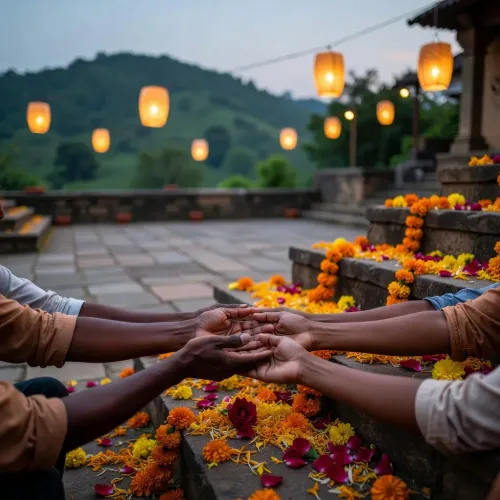
Tendong Lho Rum Faat, which translates to 'Prayer of the Tendong Mountain,' is an ancient festival of the Lepcha people, the indigenous community of the Eastern Himalayan region spanning Sikkim, Darjeeling, and parts of Nepal and Bhutan. Observed as a state holiday in Sikkim on 8 August each year, the festival traces its origins to a great deluge in Lepcha folklore, during which ancestors are believed to have taken refuge atop Tendong Hill in Namchi. The celebrations honour Mt Tendong as a saviour and also pay tribute to the Teesta and Rangeet rivers, considered sacred in Lepcha tradition.
Metümnyo: Nagaland's Yimkhiung Harvest Festival
Metümnyo is the traditional five-day harvest festival of the Yimkhiung tribe of Nagaland, typically observed in the second week of August following the millet harvest. The village elder, known as the khiungpu, formally inaugurates the ceremonies. Each of the five days carries a distinct ritual purpose: Shito (communal village cleaning), Zhihdo (repair of field paths), Zumdo (repair of inter-village roads), Khihresuk (cleaning of water points and springs), and Shiresuk (cleaning and worship of agricultural tools). The Yimkhiungs also pray for the souls of those who passed away in the preceding year. Notably, the festival is marked by social engagements between young men and women, with the community holding the belief that males possess six souls while females have five.
Eastern Command's Strategic Presence in Both States
The Eastern Command maintains a significant operational footprint across both states. Its XXIII Corps is responsible for guarding the northern border with China in Sikkim, while the IV Corps, headquartered at Dimapur in Nagaland, oversees the Line of Actual Control (LAC) in Arunachal Pradesh. The Command's cultural acknowledgement of regional festivals is widely seen as part of broader civil-military harmony efforts in strategically sensitive border states.
Point of View
High-visibility tool of soft power that mainstream defence coverage routinely overlooks. Whether it translates into deeper community engagement is a question the Command's civil affairs record would need to answer.
NationPress
23 Sept 2026
Frequently Asked Questions
What is Tendong Lho Rum Faat?
Tendong Lho Rum Faat, meaning 'Prayer of the Tendong Mountain,' is an annual festival of the Lepcha people indigenous to Sikkim and the Eastern Himalayan region. Celebrated on 8 August as a state holiday in Sikkim, it commemorates Mt Tendong as a saviour during a great deluge in Lepcha folklore and honours the sacred Teesta and Rangeet rivers.
What is the Metümnyo festival of Nagaland?
Metümnyo is a traditional five-day harvest festival of the Yimkhiung tribe of Nagaland, observed in the second week of August after the millet crop is harvested. Its five days are devoted to communal cleaning, path and road repair, cleaning of water sources, and worship of agricultural tools, with prayers also offered for souls of the recently deceased.
Why did the Indian Army's Eastern Command issue festival greetings?
The Eastern Command posted greetings on social media platform X to mark both Tendong Lho Rum Faat in Sikkim and Metümnyo in Nagaland on 8 August. The gesture is part of the Army's broader civil-military outreach in northeastern border states where it maintains significant strategic deployments.
What is the Eastern Command's strategic role in Sikkim and Nagaland?
The Eastern Command's XXIII Corps is responsible for guarding Sikkim's northern border with China, while its IV Corps, based in Dimapur, Nagaland, oversees the Line of Actual Control in Arunachal Pradesh. Both states are of high strategic importance to India's northeastern security architecture.
Who are the Lepcha people and the Yimkhiung tribe?
The Lepcha are the indigenous people of the Eastern Himalayan region, primarily Sikkim, Darjeeling, and parts of Nepal and Bhutan, with Tendong Lho Rum Faat being one of their most significant festivals. The Yimkhiung are a tribal community of Nagaland for whom Metümnyo serves as the primary agricultural and community festival, held annually after the millet harvest.