Australia's A$3.2 billion fuel reserve: 1 billion litres of diesel and jet fuel
Synopsis
Australia is making its biggest fuel security intervention in decades — a A$3.2 billion government-owned reserve of 1 billion litres of diesel and jet fuel. Backed by a A$14.8 billion federal budget allocation, the move is a direct response to record fuel prices driven by Middle East conflict, and signals Canberra's intent to overhaul how the country sources transport energy.
Key Takeaways
The Australian government will establish the Australian Fuel Security Reserve — a 1 billion litre combined stockpile of diesel and jet fuel.
The reserve will cost A$3.2 billion (approximately US$2.3 billion ), funded from a A$14.8 billion fuel security budget envelope for 2026-27 .
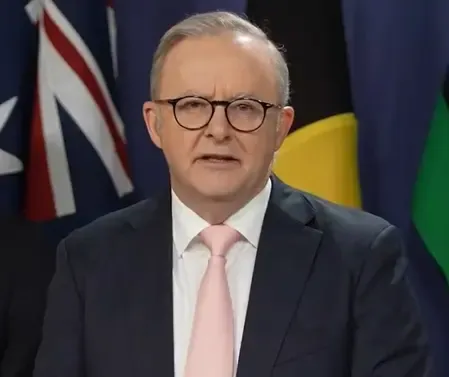
Prime Minister Anthony Albanese announced the broader security funding in May following record fuel prices linked to the Middle East conflict.
The government has opened consultations on growing a domestic low-carbon liquid fuels industry to cut import reliance.
Separate consultations will examine support for Australia's two remaining oil refineries to operate beyond 2030 .
The Australian government on Tuesday, 18 August announced it will establish the Australian Fuel Security Reserve — a strategic stockpile of 1 billion litres of diesel and jet fuel — backed by an investment of A$3.2 billion (approximately US$2.3 billion). The move is designed to shield the country from international supply disruptions and fuel market volatility.
What the Reserve Entails
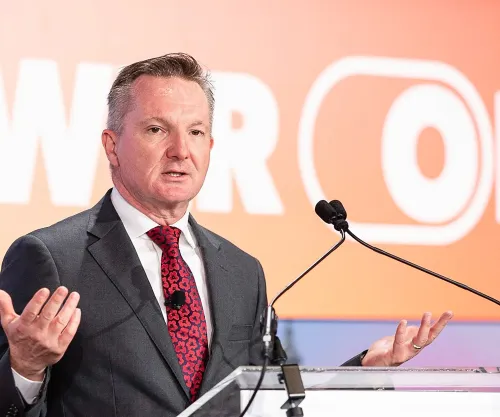
Minister for Climate Change and Energy Chris Bowen, Transport Minister Catherine King, and Agriculture Minister Julie Collins announced the reserve in a joint statement. The government-owned stockpile will combine diesel and jet fuel in a combined volume of 1 billion litres, providing a buffer against external shocks to global fuel supply chains.
'Australia cannot afford to be vulnerable to fuel supply disruptions beyond our shores. That's why we're making a historic investment to strengthen fuel security,' Bowen said.
Budget Backing and Broader Security Push
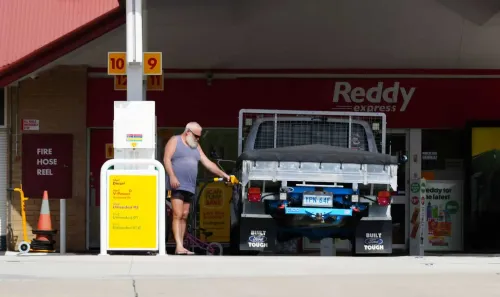
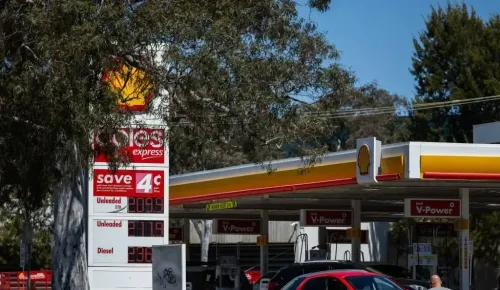
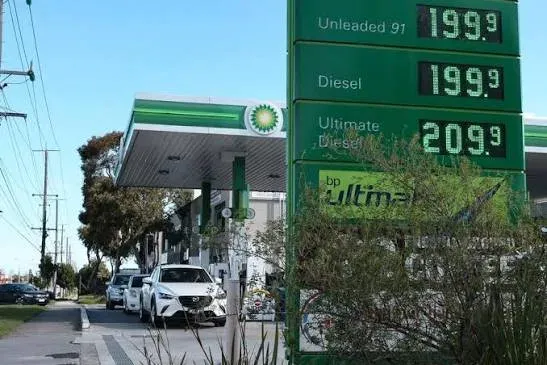
Funding for the reserve will be drawn from a A$14.8 billion (approximately US$10.5 billion) envelope earmarked for fuel security and resilience measures in Australia's federal budget for 2026-27. That broader allocation was announced by Prime Minister Anthony Albanese in May, following a global oil supply shock triggered by the ongoing conflict in the Middle East, which drove Australian fuel prices to record-high levels.
Domestic Industry Consultations Open
Alongside the reserve announcement, the government has launched two separate consultation periods. The first covers a plan to develop a domestic low-carbon liquid fuels industry aimed at reducing Australia's dependence on imported fuels. The second focuses on options to support the country's two remaining oil refineries to continue operating beyond 2030.
King said building a domestic low-carbon liquid fuels industry would generate jobs, strengthen regional economies, and future-proof the nation's transport sectors.
Why This Matters
Australia has long been flagged by energy analysts as unusually exposed to fuel import disruptions given its geographic isolation and limited domestic refining capacity. This is the most significant government intervention in Australian fuel security in decades. Notably, the announcement comes as Middle East tensions continue to weigh on global oil markets, making the timing of the reserve both reactive and strategic.
The consultations on low-carbon fuels and refinery support signal that Canberra is looking beyond short-term stockpiling toward a structural shift in how Australia sources and produces transport fuels in the years ahead.
Point of View
Leaving it heavily reliant on imported fuel through long, exposed supply chains. The A$3.2 billion reserve is an overdue corrective, but a stockpile alone does not fix the underlying dependency. The more consequential announcements are the consultations on low-carbon domestic fuels and refinery lifelines beyond 2030 — these could reshape Australia's energy posture for a generation, or stall in the consultation phase as past energy reviews have. Whether Canberra converts these consultations into binding policy before the next supply shock will be the real test.
NationPress
2 Oct 2026
Frequently Asked Questions
What is the Australian Fuel Security Reserve?
The Australian Fuel Security Reserve is a government-owned strategic stockpile of 1 billion litres of diesel and jet fuel, announced on 18 August. It is designed to protect Australia against international fuel supply disruptions and market volatility.
How much is Australia investing in the fuel reserve?
The government is investing A$3.2 billion (approximately US$2.3 billion) to establish the reserve. This funding comes from a broader A$14.8 billion (approximately US$10.5 billion) allocation for fuel security and resilience in the 2026-27 federal budget.
Why is Australia building a strategic fuel reserve?
Australia announced the reserve in response to a global oil supply shock caused by the Middle East conflict, which pushed Australian fuel prices to record-high levels. The country's limited domestic refining capacity makes it especially vulnerable to import disruptions.
What consultations has the Australian government launched alongside the reserve?
The government has opened two consultation periods — one on developing a domestic low-carbon liquid fuels industry to reduce import reliance, and another on options to keep Australia's two remaining oil refineries operating beyond 2030.
Who announced the Australian Fuel Security Reserve?
The reserve was announced jointly by Minister for Climate Change and Energy Chris Bowen, Transport Minister Catherine King, and Agriculture Minister Julie Collins on 18 August.