Are Bangladesh Elections Heading into a Crisis with Deepfakes, Violence, and an Anti-India Sentiment?
Synopsis
As Bangladesh prepares for its pivotal February elections, the atmosphere is charged with uncertainty. Rising fears of violence and deepfake misinformation campaigns threaten the electoral process, while anti-India narratives are gaining traction. With Indian intelligence on alert, the political landscape remains fluid and fraught with challenges.
Key Takeaways
Bangladesh elections are facing challenges from misinformation and violence.
Deepfake technology poses a significant threat to electoral integrity.
Indian agencies are closely monitoring the situation.
Anti-India sentiments are being stirred by certain political factions.
The Election Commission is taking steps to combat misinformation.
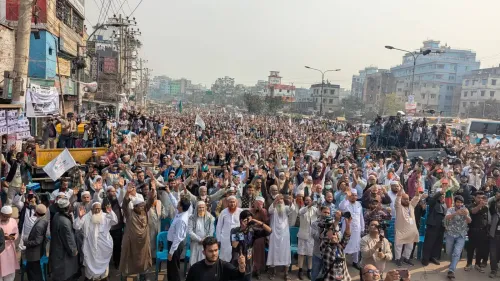
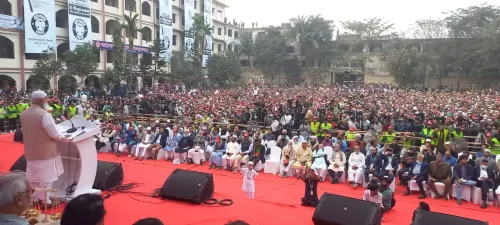
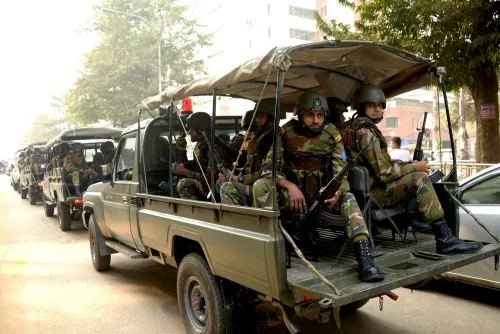
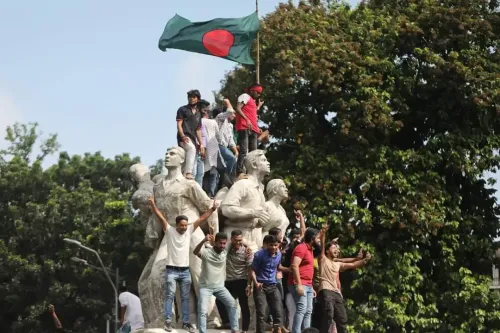
New Delhi, Dec 10 (NationPress) The atmosphere in Bangladesh as it approaches a significant election in February is highly unstable. With the prevailing sentiment in the country, it's challenging to identify a definitive frontrunner, and the situation is shifting rapidly.
As the national mood evolves, Indian intelligence agencies are closely monitoring the situation. Numerous intelligence reports indicate that the upcoming elections are likely to be tainted by both violence and an extensive misinformation campaign.
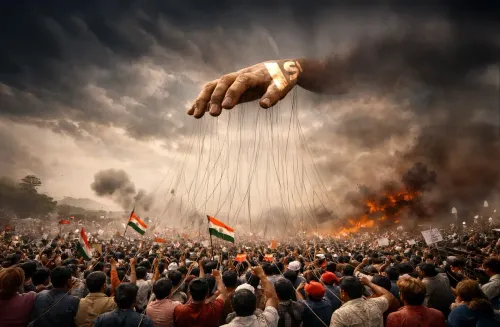
The Election Commission of Bangladesh is actively attempting to manage these challenges, but Indian officials believe that the situation may worsen as the election date draws near. There are concerns that external influences, particularly through artificial intelligence and deepfake videos, could jeopardize the integrity of the elections, according to Indian authorities.
This issue is not only critical for Bangladesh but raises alarms for India as well. There are numerous fake videos circulating that promote a misinformation agenda against India. Elements controlled by the ISI are responsible for producing these fake videos that allege Indian interference in Bangladesh's elections, which must be addressed urgently, an official stated, highlighting attempts to stir unrest in India's northeastern regions.
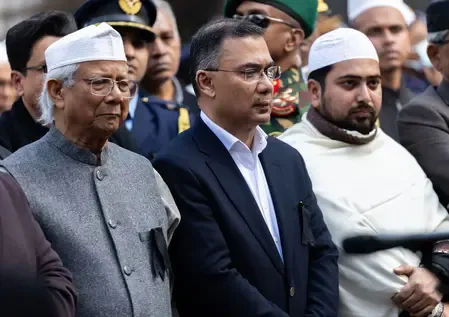
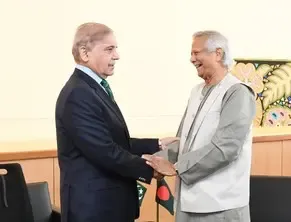
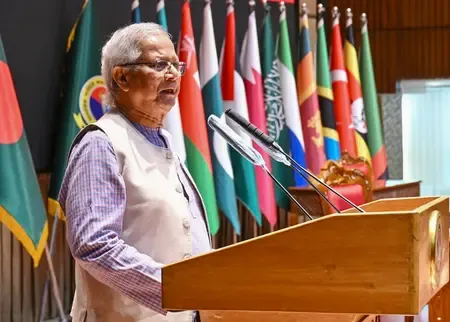
These factions are reportedly aiming to target northeastern states with misleading information. The concern escalated after interim Prime Minister Mohammad Yunus discussed this during a meeting with Chinese officials.
Several political parties in Bangladesh are likely to incite an anti-India sentiment among their voters, mirroring strategies often used by Pakistan.
Compounding the situation is the ISI's significant efforts to ensure the Jamaat-e-Islami secures victory in the elections. Reports suggest the ISI has been meddling in Bangladesh's political landscape, favoring a government role for Yunus alongside the Jamaat.
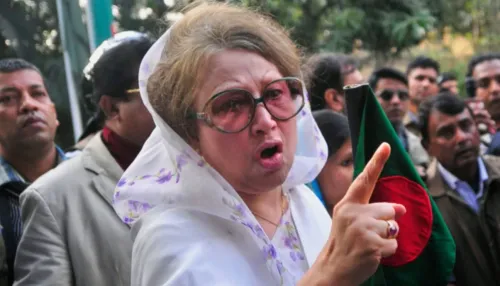
Initially, polls indicated strong support for the Bangladesh Nationalist Party (BNP), but recent surveys now show the Jamaat as a close contender.
The International Republican Institute (IRI), a US-based think tank, released a pre-election assessment indicating that support for the Awami League has significantly diminished. Surprisingly, many polls reveal that the populace is content with Yunus's performance.
As public opinion fluctuates, Indian officials stress that the primary challenge for Bangladesh's authorities is countering the damaging fake narratives. Reports of voter suppression have emerged; independent candidates, Beauty Begum and Abdullah Nahid, had to clarify their continued candidacy after a deepfake video falsely claimed they were withdrawing.
A deepfake video involving BNP acting chairman Tarique Rahman also circulated, showing him discouraging criticism of Israel's actions in Gaza, aimed at politically undermining him in a predominantly Muslim nation. Furthermore, there have been deepfake videos depicting police urging a boycott of the elections and inciting attacks on opposition leaders.
Indian officials express concern that Bangladesh lacks robust mechanisms to combat this issue. The country's low digital literacy rate and slow response from fact-checkers contribute to delayed resolutions.
The Election Commission of Bangladesh announced that a central unit is being established to combat AI-generated misinformation and disinformation in the lead-up to the national elections.
Indian intelligence agencies are vigilantly monitoring developments, warning that manipulated elections pose a significant concern. In addition, efforts are underway to disseminate deepfake videos intending to incite problems in India, particularly in the Northeast, officials report.
Point of View
It's crucial to underscore the importance of transparency and integrity in the electoral process. The potential for misinformation and violence in Bangladesh poses a significant threat not only to its democratic institutions but also to regional stability. Vigilance and proactive measures are essential in ensuring a fair election.
NationPress
30 Sept 2026
Frequently Asked Questions
What are the main concerns regarding the upcoming elections in Bangladesh?
There are significant fears of violence and misinformation campaigns, particularly through deepfake technology, which could disrupt the electoral process.
How are Indian agencies responding to the situation in Bangladesh?
Indian intelligence agencies are closely monitoring developments and express concerns about potential interference and the impact of fake narratives on regional stability.
What role does the ISI play in the Bangladeshi elections?
The ISI is reportedly attempting to influence the elections to favor the Jamaat-e-Islami and create anti-India sentiments among voters.
What measures is the Election Commission of Bangladesh taking to combat misinformation?
The Election Commission is establishing a central unit to address AI-generated misinformation and disinformation during the elections.
What impact do deepfake videos have on the electoral process?
Deepfake videos can mislead the public and damage the reputations of candidates, potentially influencing voter perceptions and decisions.