Ghatal Master Plan: Bengal BJP govt clears joint project with Centre
Synopsis
After years of political gridlock, West Bengal's new BJP government has cleared the Ghatal Master Plan — a critical flood control scheme for South Bengal — on a 50:50 cost-sharing basis with the Centre. The same meeting also set a June 8 deadline for Ayushman Bharat rollout and ordered immediate restart of MGNREGA-linked funds frozen for two years over alleged corruption.
Key Takeaways
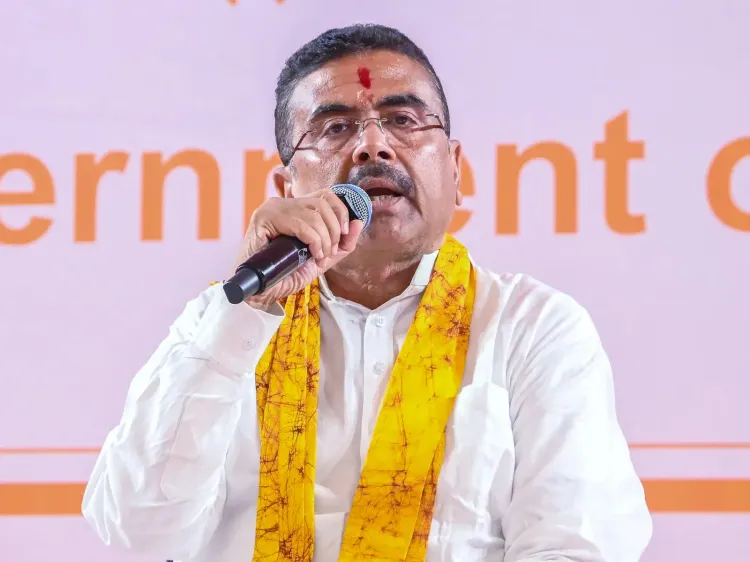
West Bengal 's new BJP government under CM Suvendu Adhikari took an in-principle decision on 25 May to implement the Ghatal Master Plan jointly with the Centre.
Costs will be shared equally — 50% Centre, 50% state — for the flood control and drainage project.
The project had stalled for years under the previous TMC government due to political friction with the BJP-led Union government.
CM Adhikari set a deadline of 8 June for the state Health Department to finalise Ayushman Bharat implementation modalities.
Officials were directed to immediately restart the 100-day job scheme under VB-G RAM G (formerly MGNREGA), whose central funds had reportedly been frozen for two years over alleged corruption.
The newly elected Bharatiya Janata Party (BJP) government in West Bengal, led by Chief Minister Suvendu Adhikari, on Monday, 25 May took an in-principle decision to implement the long-delayed Ghatal Master Plan — the state's critical flood control and drainage project — in partnership with the Union government, with costs split equally between the Centre and the state. The move ends years of deadlock that had left large swathes of South Bengal vulnerable to seasonal flooding.
What the Ghatal Master Plan involves
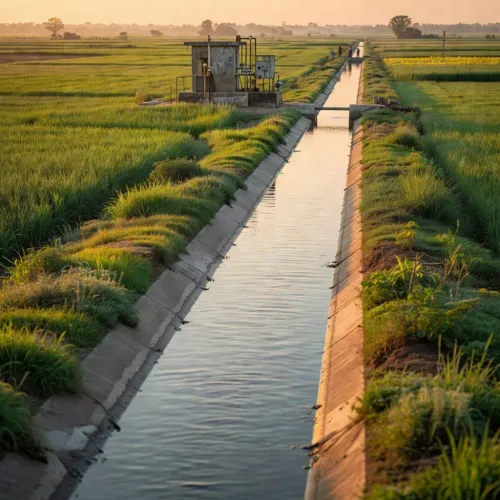
The Ghatal Master Plan is a large-scale flood mitigation and drainage scheme designed primarily to address chronic inundation in West Midnapore district and adjoining areas of South Bengal during the monsoon season. The project had been in limbo for years, with successive administrations failing to advance it to implementation stage.
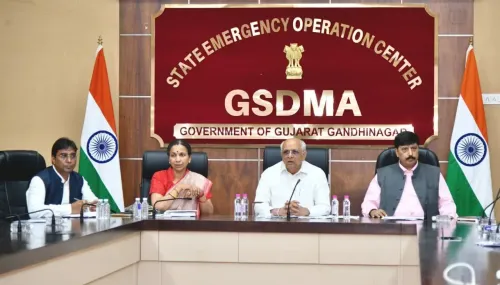
The decision to proceed on a 50:50 cost-sharing basis with the Centre marks a significant policy shift. Chief Minister Adhikari chaired the key meeting at the state secretariat Nabanna, attended by all departmental secretaries, where the in-principle approval was formalised.
Key directives from the CM's meeting
At the meeting, CM Adhikari directed the state Irrigation Department to calculate the financial burden on the state exchequer and prepare a draft agreement with the Union government at the earliest, according to a state government official present at the meeting.
Beyond flood control, the Chief Minister also directed the state Health Department to finalise the modalities for rolling out Ayushman Bharat — the centrally sponsored health insurance scheme — by 8 June. 'The Chief Minister also gave a clear message that there should be no further delay in implementing central health schemes in the state,' the official said.
Additionally, Adhikari directed officials to immediately activate the 100-day job scheme under the VB-G RAM G (Viksit Bharat — Guarantee for Rozgar and Ajeevika Mission Gramin) project, formerly known as the Mahatma Gandhi National Rural Employment Guarantee Act (MGNREGA). Central funds under this scheme had reportedly remained frozen for two years due to alleged large-scale corruption during the previous administration's tenure.
Why the project stalled under the previous government
The Ghatal Master Plan's prolonged stall is widely attributed to the reluctance of the then All India Trinamool Congress (TMC)-led government under former Chief Minister Mamata Banerjee to execute the project in collaboration with the BJP-led Union government. Critics had long argued that political friction between Nabanna and New Delhi came at the direct cost of flood-prone communities in South Bengal.
This is the broader pattern the new administration is now seeking to reverse — what it describes as the benefits of a 'double-engine government', with aligned political leadership at both the state and central levels.
Impact on affected communities and what comes next
Successful implementation of the Ghatal Master Plan is expected to significantly reduce the annual cycle of inundation that affects hundreds of thousands of residents in West Midnapore and surrounding districts every monsoon. The Irrigation Department is now tasked with preparing a detailed financial blueprint and a formal agreement framework with the Centre.
With the Ayushman Bharat deadline set for 8 June and MGNREGA-linked funds awaiting release, the coming weeks will be a critical test of whether the new government's administrative reset translates into on-ground delivery.
Point of View
But one that also raises the bar on delivery expectations. If execution lags, the 'double-engine' framing could become a liability rather than an asset.
NationPress
10 Oct 2026
Frequently Asked Questions
What is the Ghatal Master Plan?
The Ghatal Master Plan is a large-scale flood control and drainage project in West Bengal, designed to address chronic monsoon inundation in West Midnapore district and adjoining parts of South Bengal. It has been pending implementation for years due to political and administrative delays.
Why had the Ghatal Master Plan been stalled for so long?
The project stalled primarily because the previous TMC-led government under Mamata Banerjee was reportedly reluctant to implement it jointly with the BJP-ruled Union government. Political friction between state and central leadership effectively froze progress.
What cost-sharing arrangement has been agreed for the project?
The West Bengal government has taken an in-principle decision to share the project cost equally — 50% to be borne by the state exchequer and 50% by the Union government. The Irrigation Department has been directed to work out the detailed financial blueprint.
What other decisions were taken at CM Adhikari's meeting on 25 May?
Besides the Ghatal Master Plan, CM Adhikari set an 8 June deadline for finalising Ayushman Bharat implementation modalities and directed officials to immediately restart the 100-day job scheme under VB-G RAM G (formerly MGNREGA), whose central funds had been frozen for two years.
Who is affected by the Ghatal Master Plan?
The project primarily benefits residents of West Midnapore district and adjoining areas in South Bengal who face recurring flood and waterlogging crises every monsoon season. Successful implementation is expected to significantly reduce annual inundation in the region.