Bengaluru fan murder case: Court issues notices to YouTube, Facebook, Instagram, X
Synopsis
A Bengaluru sessions court has done something rare in Indian legal history — directly serving notices to YouTube, Facebook, Instagram, and X over leaked videos of the Renukaswamy murder trial. With actor Darshan Thoogudeepa among the accused and an approver's confession at stake, the court is now holding global tech platforms directly accountable for hosting restricted court content.
Key Takeaways
Bengaluru's 59th Sessions Court issued direct notices to YouTube, Facebook, Instagram, and X on 7 October 2026 .
The court ordered removal of all videos capturing proceedings of the Renukaswamy fan murder case .
Police have been directed to register contempt of court proceedings against those who record and circulate the trial footage.
The action was triggered by leaked videos involving accused-turned-approver Pradosh S.
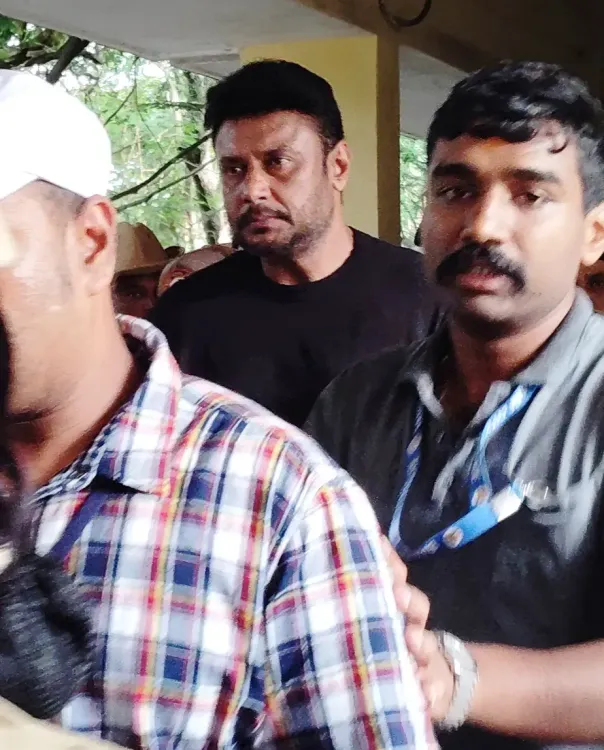
Kannada actor Darshan Thoogudeepa is among the primary accused in the Renukaswamy murder case .
This marks the first time a trial court has directly served notices to major social media platforms in this case, departing from the previous practice of police-level action.
A Bengaluru trial court hearing the high-profile Renukaswamy fan murder case has, for the first time, issued direct notices to major social media platforms — YouTube, Facebook, Instagram, and X — over the unauthorised circulation of videos capturing court proceedings. The 59th Sessions Court passed the order on Wednesday, 7 October 2026, marking a significant escalation in how Indian courts are asserting authority over digital content.
What the Court Ordered
The 59th Sessions Court directed that all videos of the proceedings uploaded on the four platforms be removed. Following the court's directions, content that had been circulating online was reportedly being taken down. The court further instructed the police to initiate legal action — including contempt of court proceedings — against individuals found recording and making the proceedings viral.
What Triggered the Action
The notices came after videos involving accused-turned-approver Pradosh S. Rao — accused No. 14 in the case — surfaced online. Social media influencers and YouTubers had allegedly recorded and uploaded portions of the restricted trial interactions on their respective platforms. Rao had been recording a multi-page confidential confession statement before a magistrate when portions of those closed proceedings reportedly leaked digitally.
Who Is Accused in the Murder Case
The case centres on the murder of Renukaswamy, a fan, in which Kannada actor Darshan Thoogudeepa and several others stand accused. The trial has drawn sustained public attention, with the involvement of a prominent film personality fuelling heavy media and social media coverage. Darshan is among the primary accused; Pradosh Rao was subsequently granted official approver status.
Why This Order Is Significant
Until now, authorities had managed such situations indirectly — police approached platforms, issued notices, and registered cases against individual uploaders. This is the first instance of the trial court itself issuing direct notices to the platforms, effectively holding them accountable alongside the individuals who record and share the content. Legal observers note that such direct judicial notices to global tech platforms are rare in Indian district court proceedings and could set a precedent for how trial courts handle digital contempt.
What Happens Next
The platforms are expected to respond to the court's notices within a stipulated period. The police have been placed under a specific mandate to register contempt cases against those found violating the order. Analysts watching the case say the court's move signals growing judicial assertiveness over the intersection of open-justice principles and the viral spread of restricted proceedings — a tension courts across India are increasingly grappling with.
Point of View
But this is a qualitative shift — a district sessions court bypassing police intermediaries and going straight to the global platforms. The move raises a practical question mainstream coverage is glossing over: will YouTube, Meta, and X actually comply with a district court notice, or will enforcement require escalation to a High Court? The real test of this order's significance is not the takedown of a few clips but whether it creates a durable framework that platforms respect. Indian trial courts are increasingly asserting digital jurisdiction, but without a clear statutory mechanism tying contempt penalties to platform non-compliance, the order risks being more symbolic than structural.
NationPress
7 Oct 2026
Frequently Asked Questions
What is the Renukaswamy fan murder case?
The Renukaswamy fan murder case involves the killing of a fan named Renukaswamy, in which Kannada actor Darshan Thoogudeepa and several others are accused. The trial is being conducted before the 59th Sessions Court in Bengaluru and has attracted significant public and media attention.
Why did the Bengaluru court issue notices to YouTube, Facebook, Instagram, and X?
The court issued the notices because social media influencers and YouTubers allegedly recorded and uploaded portions of the restricted trial proceedings online. The 59th Sessions Court took serious objection and directed the platforms to remove the content, also ordering police to register contempt cases against those responsible.
Who is Pradosh S. Rao and why are his proceedings significant?
Pradosh S. Rao is accused No. 14 in the Renukaswamy murder case who was granted official approver status by the court. He had been recording a multi-page confidential confession statement before a magistrate, making his proceedings particularly sensitive — portions of which allegedly leaked online and triggered the court's action.
What action has the court directed the police to take?
The court has specifically instructed the police to register contempt of court proceedings against any individual found recording and making the trial proceedings viral. This is in addition to the direct notices issued to the social media platforms themselves.
Why is this court order considered a first in the case?
Until now, authorities handled such situations indirectly, with police approaching platforms and registering cases against individual uploaders. This is the first instance of the trial court itself issuing direct notices to YouTube, Facebook, Instagram, and X, marking a significant shift in how the court is asserting jurisdiction over digital content related to the proceedings.