BHASHINI signs MoU with Nepal's Kathmandu University to build multilingual AI for South Asia
Synopsis
India's BHASHINI has crossed a border — literally. Its MoU with Kathmandu University's DPI-AI centre is the platform's first major cross-border institutional tie-up, targeting Nepali language datasets, speech AI, and the preservation of low-resource languages that risk digital extinction. With EAMs from both countries present at the signing, this is as much a diplomatic signal as a technology deal.
Key Takeaways
Digital India BHASHINI Division signed an MoU with Kathmandu University's DPI-AI Centre , Nepal, on 7 June .
The partnership covers Nepali language datasets , speech corpora, machine translation, and multilingual conversational AI.
It also targets preservation of low-resource and underrepresented languages at risk of digital extinction across the India-Nepal region.
External Affairs Minister Dr S.
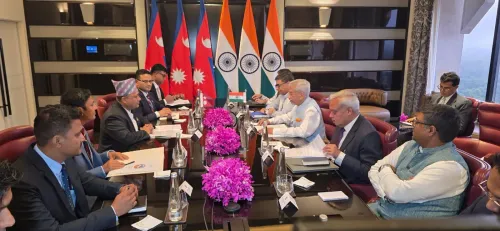
Jaishankar and Nepal's Foreign Affairs Minister Shishir Khanal were present at the MoU exchange.
BHASHINI CEO Amitabh Nag said the open DPI model can transform digital access for millions across South Asia .
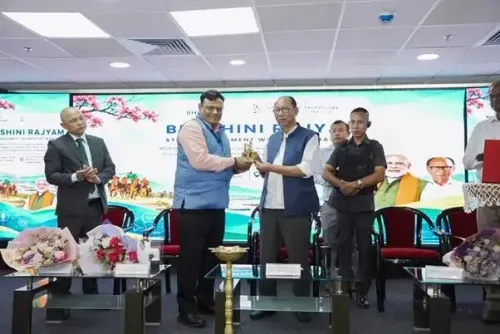
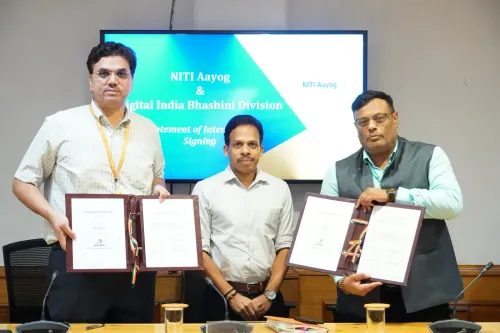
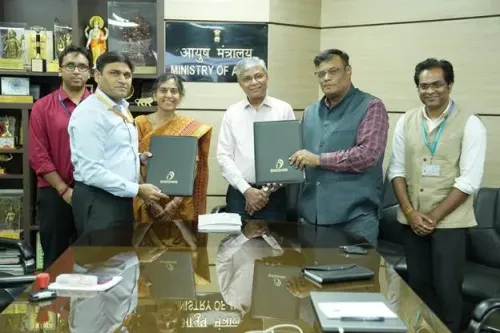
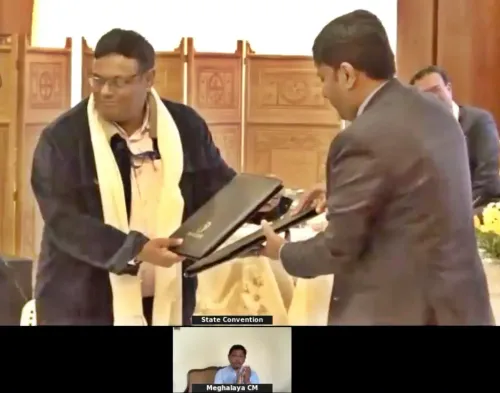
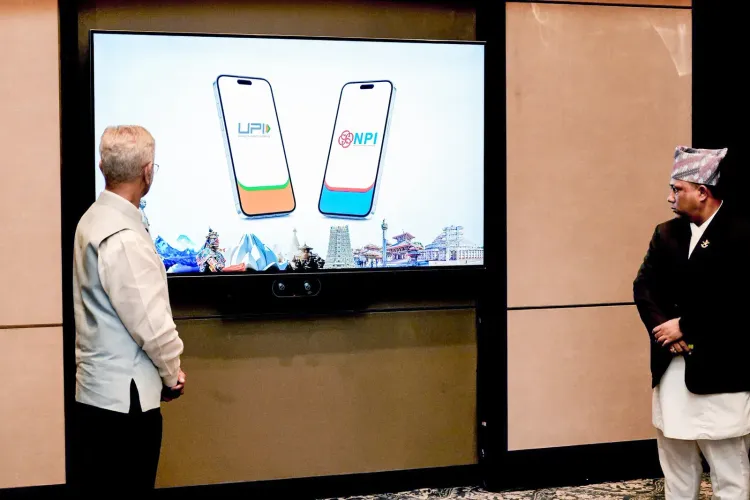
Digital India BHASHINI Division (DIBD), under the Ministry of Electronics and Information Technology, has signed a Memorandum of Understanding (MoU) with Kathmandu University's Centre for Digital Public Infrastructure & Artificial Intelligence (DPI-AI), Nepal, to jointly advance Language AI, multilingual digital public infrastructure, and inclusive digital ecosystems across India and Nepal. The agreement was formalised on 7 June in the presence of External Affairs Minister Dr S. Jaishankar and Shishir Khanal, Nepal's Minister of Foreign Affairs, signalling strong bilateral commitment to technology-driven inclusion.
What the MoU Covers
Under the partnership, the two institutions will collaborate on developing high-quality Nepali language datasets, speech corpora, and multilingual AI resources — including speech-to-text, text-to-speech, machine translation, and multilingual conversational AI capabilities. The collaboration also targets the preservation and digitisation of linguistic and literary heritage of low-resource and underrepresented languages across the India-Nepal region, ensuring communities at risk of digital extinction gain access to AI-enabled tools in their mother tongue.
What BHASHINI's Open DPI Model Means for South Asia
Amitabh Nag, CEO of the Digital India BHASHINI Division, said the open Digital Public Infrastructure (DPI) model has the potential to transform digital access for millions of citizens across South Asia. According to Nag, the collaboration will 'extend that vision beyond India's borders, strengthening our shared linguistic and cultural heritage while building the next generation of multilingual AI for the Global South.' This marks one of BHASHINI's first formal cross-border institutional partnerships since the platform's national rollout.
Nepal's Perspective
Professor Bal Krishna Bal, Associate Dean at Kathmandu University, described the MoU as reflecting 'a shared commitment between Nepal and India to harness the power of artificial intelligence for linguistic inclusion and social impact.' He emphasised that the initiative goes beyond a technology collaboration — it is envisioned as a framework to strengthen people-to-people connections, preserve linguistic heritage, and enable equitable access to opportunities by overcoming language, literacy, and digital barriers across the region.
Broader Significance
This comes amid growing global momentum around open DPI frameworks, with India having championed the model through UPI, Aadhaar, and DigiLocker at international forums including the G20. Notably, the BHASHINI-Nepal partnership extends that DPI philosophy into the linguistic domain — a space where South Asia's extraordinary diversity of languages has historically been a barrier to digital inclusion. With hundreds of millions of people in the region communicating primarily in languages that lack robust digital tools, the stakes for this collaboration are considerable.
Point of View
And language AI is the next frontier. But the harder test will be execution: building robust Nepali and low-resource language datasets requires sustained funding, community linguist involvement, and long-term institutional commitment that bilateral MoUs do not automatically guarantee. The presence of foreign ministers at a tech MoU signing is a diplomatic signal worth noting — it suggests New Delhi sees language AI as a soft-power instrument, not just a development tool. Whether the partnership produces usable public AI resources or remains a framework document will define its real legacy.
NationPress
24 Oct 2026
Frequently Asked Questions
What is the BHASHINI MoU with Kathmandu University about?
The MoU is a collaboration between India's Digital India BHASHINI Division and Kathmandu University's Centre for Digital Public Infrastructure & Artificial Intelligence to jointly develop multilingual AI resources, Nepali language datasets, and digital tools for low-resource languages across the India-Nepal region. It was signed on 7 June in the presence of the foreign ministers of both countries.
What is BHASHINI and what does it do?
BHASHINI is India's open Digital Public Infrastructure platform for language AI, operating under the Ministry of Electronics and Information Technology. It develops speech-to-text, text-to-speech, machine translation, and conversational AI tools in Indian languages to make digital services accessible to non-English speakers.
Why does this India-Nepal language AI partnership matter?
South Asia is home to hundreds of millions of people who communicate primarily in languages that lack robust digital tools. The partnership aims to close that gap by building AI resources for Nepali and other low-resource languages, reducing barriers to digital inclusion across the region.
Which technologies will the BHASHINI-Nepal collaboration develop?
The two institutions will work on high-quality Nepali language datasets, speech corpora, speech-to-text, text-to-speech, machine translation, and multilingual conversational AI. They will also digitise and preserve linguistic and literary heritage of underrepresented languages in the India-Nepal region.
Who were the senior officials present at the MoU signing?
External Affairs Minister Dr S. Jaishankar represented India, while Shishir Khanal, Nepal's Minister of Foreign Affairs, represented Nepal. Their presence underscored the bilateral diplomatic significance of the technology partnership.