Bhopal Declares District a Water-Scarce Zone: Immediate Ban on New Borewells Enacted
Synopsis
In a decisive move to address dwindling groundwater levels, Bhopal's Collector has declared the area a water-scarce zone, implementing an immediate ban on new private borewells. This measure aims to prevent a drinking water crisis as summer approaches.
Key Takeaways
Bhopal has been declared a water-scarce zone.
An immediate ban on new private borewells is now in effect.
Violators face legal action, including imprisonment.
Residents are encouraged to implement water conservation practices.
Monitoring teams will enforce compliance with the new order.
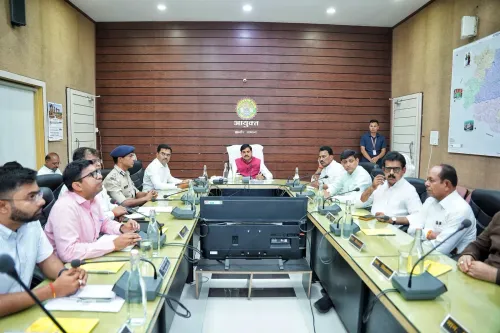
Bhopal, March 13 (NationPress) In an urgent response to the alarming depletion of groundwater resources, Bhopal Collector Kaushalendra Vikram Singh has officially designated the entire district as a "water-scarce zone". This declaration comes with an immediate prohibition on the construction of new private tube wells (borewells).
The directive, enforced under the Madhya Pradesh Drinking Water Protection Act, 1986, bans unauthorized borewell drilling throughout both urban and rural sectors of Bhopal district. The local administration has warned that those who violate this order without the necessary permissions could face strict legal repercussions, including potential FIRs and imprisonment for up to two years.
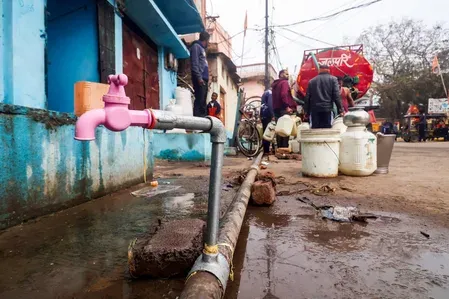
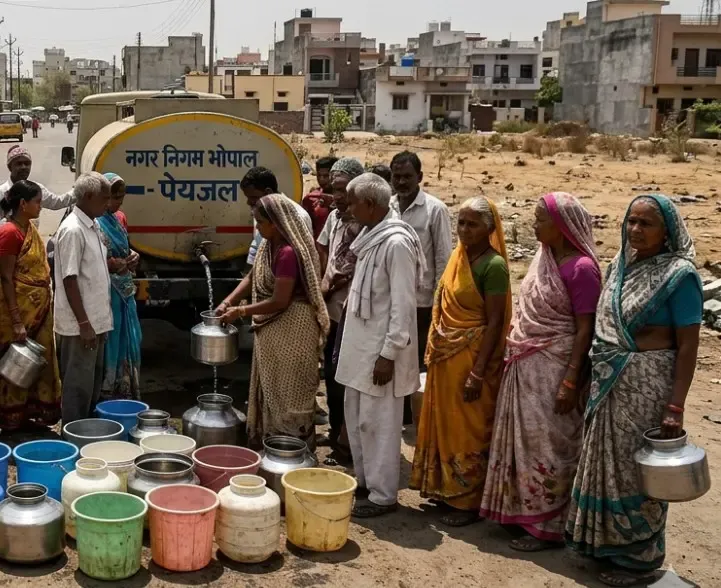
As reported by the Public Health Engineering (PHE) Department, the excessive extraction of groundwater for agricultural, commercial, and domestic uses has resulted in a significant decline in water levels. The sources for drinking water and existing tube wells are witnessing a troubling drop, raising urgent concerns about a potential severe drinking water crisis as summer approaches.
Collector Singh pointed out that unrestricted borewell drilling further aggravates this depletion, jeopardizing municipal water supply systems and rural hand pumps.
Similar restrictions have previously been enacted in districts such as Khargone and Indore, where seasonal bans—often lasting until June or July—are aimed at conserving water during the peak summer demand.
This ban is part of a broader initiative by the state to encourage sustainable water management practices in light of recurring shortages highlighted by both legislators and environmental assessments.
Officials have noted that while government entities may request permissions for essential public drinking water projects, private individuals must now seek explicit authorization from designated officials, including sub-divisional officers or additional collectors, following appropriate evaluations.
Residents and agricultural communities have been encouraged to implement water conservation strategies, such as rainwater harvesting, efficient irrigation techniques, and minimizing water waste. The administration is also advocating for the use of existing surface water sources, treated municipal supplies, and ongoing recharge projects to alleviate the crisis.
Authorities are optimistic that this restriction will help stabilize water levels, preventing acute shortages and ensuring fair access to drinking water for the increasing population of Bhopal.
This order is effective immediately, with monitoring teams assigned to ensure adherence. Citizens can report any violations through district helplines or local PHE offices.
Point of View
Marking a pivotal step in addressing environmental sustainability. The proactive measures taken highlight the urgent need for responsible water management amidst increasing demand and declining resources.
NationPress
29 Sept 2026
Frequently Asked Questions
Why has Bhopal been declared a water-scarce zone?
Bhopal has been designated a water-scarce zone due to rapidly declining groundwater levels, necessitating immediate action to prevent a potential drinking water crisis.
What actions are prohibited under this declaration?
The declaration prohibits the digging of new private borewells without prior authorization from competent authorities.
What are the penalties for violating this ban?
Violators may face strict legal consequences, including potential FIRs and imprisonment for up to two years.
How can residents report violations?
Citizens can report violations through district helplines or local Public Health Engineering (PHE) offices.
What measures are being encouraged for water conservation?
Residents are urged to adopt practices such as rainwater harvesting, efficient irrigation, and reducing water waste to conserve resources.