CM Office Uttarakhand Launches Jal Sanjeevani Chal-Khal Drive in Bageshwar
Synopsis
The Chief Minister's Office of Uttarakhand launched the Jal Sanjeevani Chal-Khal Abhiyan at a government school in Bageshwar on 10 July 2026, reviving traditional chal-khal rainwater harvesting structures to combat groundwater stress and spring decline across the Himalayan state.
Key Takeaways
The Jal Sanjeevani Chal-Khal Abhiyan was launched on 10 July 2026 at Government Inter College, Vajyula , Bageshwar.
The campaign focuses on rainwater conservation and groundwater recharge using traditional Uttarakhand earthen water-harvesting structures.
Bageshwar district in the Kumaon region faces recurring water scarcity due to declining spring discharge and seasonal shortages.
The state has previously revived chal-khal structures under MGNREGA guidelines since the mid-2000s, and the national Jal Jeevan Mission (2019) has funded source sustainability works in Uttarakhand.
A school-based launch reflects a dual goal: building water infrastructure and raising environmental awareness among younger residents.
Broader district-level roll-out across Kumaon and Garhwal and measurable spring recharge data remain to be watched over the coming monsoon cycles.
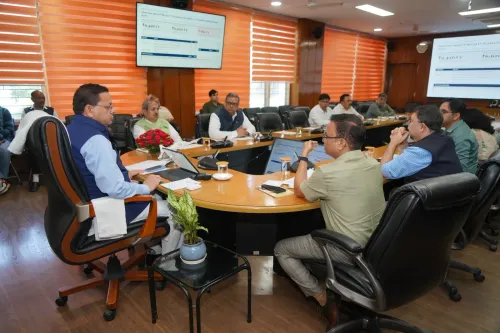
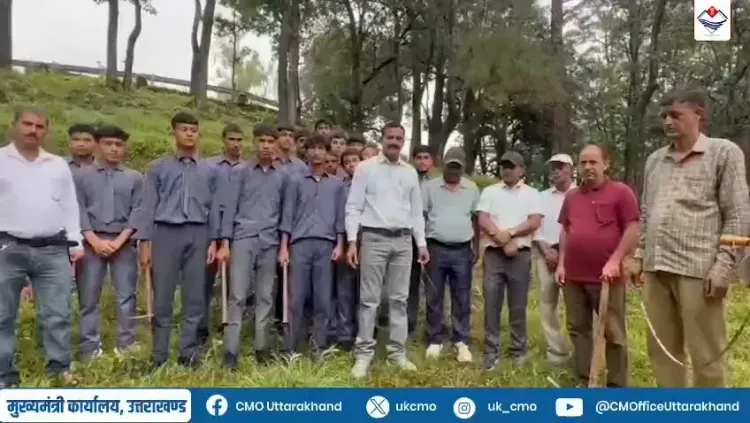
The Chief Minister's Office of Uttarakhand announced on Friday, 10 July 2026 the launch of the Jal Sanjeevani Chal-Khal Abhiyan — a rainwater harvesting and groundwater recharge campaign — at Government Inter College, Vajyula, in Bageshwar district. The initiative marks a new step in the state's effort to revive traditional water conservation structures across its Himalayan terrain.
Context
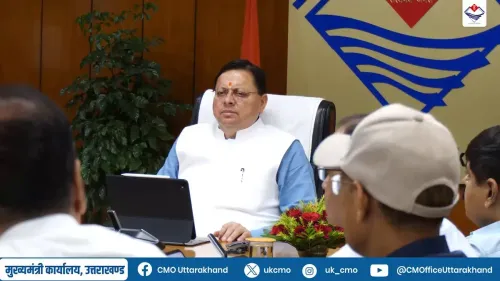
The post, shared by the official CMO Uttarakhand account, announced: 'जनपद बागेश्वर के राजकीय इंटर कॉलेज, वज्यूला में जल संजीवनी चाल–खाल अभियान की शुरुआत' ('Launch of the Jal Sanjeevani Chal-Khal Abhiyan at Government Inter College, Vajyula, in Bageshwar district'). The campaign focuses on rainwater conservation and groundwater recharge, described as a 'new initiative' in that direction. The choice of a government school as the launch venue signals an intent to embed environmental awareness alongside infrastructure work.
Bageshwar, a district in the Kumaon region, sits amid hilly terrain marked by natural springs and recurring seasonal water scarcity. Declining spring discharge, driven by climate variability and changing land use, has long pressed local communities — particularly small farmers and hill households — during dry months.
Policy Backdrop
'Chal' and 'khal' are traditional Uttarakhand earthen structures — small check-dams and catchment pits — that slow runoff, allow rainwater to percolate, and recharge shallow aquifers. These low-cost, community-maintainable forms of water harvesting have been part of hill water management for generations. The state has periodically revived such structures under MGNREGA guidelines since the mid-2000s.
At the national level, the Jal Jeevan Mission, operational since 2019, has funded spring-shed restoration and rainwater harvesting as 'source sustainability' measures in Uttarakhand. The Jal Sanjeevani Chal-Khal Abhiyan appears to build on this lineage, extending the approach through a named state campaign. The Bageshwar launch is positioned as the beginning of a broader roll-out, though details of the implementing agency and budget are not yet in the public domain.
Stakeholders and Impact
The most direct beneficiaries are hill communities in Bageshwar and surrounding Kumaon districts — households dependent on springs and seasonal streams for drinking water and small-scale irrigation. Rural schools like Government Inter College, Vajyula, serve as both launch platforms and potential demonstration sites, reaching students who can carry conservation habits into their communities.
Small farmers in the region, who rely on rain-fed agriculture and declining spring flows, stand to gain from improved aquifer recharge over successive monsoon cycles. Uttarakhand governments have increasingly turned to such traditional, decentralised solutions as a cost-effective complement to large infrastructure projects in terrain where conventional water supply systems are difficult to build and maintain.
What's Next
The key question is whether the Jal Sanjeevani Chal-Khal Abhiyan will be extended to other Kumaon and Garhwal districts facing similar water stress. School-based launches in Bageshwar could serve as a template for district-level roll-outs through the remainder of the 2026 monsoon season — the critical window for rainwater harvesting works to be most effective.
Measurable impact — in the form of improved spring discharge or reduced dry-season shortages — would likely become visible only after one or more full monsoon cycles. The state's ability to document and publicise those results will determine whether the campaign builds sustained momentum or remains a one-season effort.
Point of View
Traditional solutions to address what climate scientists and state planners alike recognise as a worsening Himalayan water crisis. Anchoring the launch at a rural school in Bageshwar is a deliberate optics choice — it frames the campaign as a community and youth movement rather than a top-down infrastructure programme. The alignment with Jal Jeevan Mission's source sustainability mandate also suggests the state is positioning this as a complementary, potentially fundable initiative under an existing central scheme. Whether the abhiyan produces lasting hydrological change or fades after the monsoon season will be the real test of political will and administrative follow-through.
NationPress
9 Oct 2026
Frequently Asked Questions
What is the Jal Sanjeevani Chal-Khal Abhiyan in Uttarakhand?
The Jal Sanjeevani Chal-Khal Abhiyan is a state-level campaign launched by the Uttarakhand government to promote traditional rainwater harvesting structures called 'chal' and 'khal' — small earthen check-dams and catchment pits — to conserve rainwater and recharge groundwater in the Himalayan hills.
Where was the Jal Sanjeevani Chal-Khal Abhiyan launched?
The campaign was launched at Government Inter College, Vajyula, in Bageshwar district of Uttarakhand on 10 July 2026.
What are chal and khal water structures?
Chal and khal are traditional Uttarakhand earthen water-harvesting structures — essentially small check-dams and percolation pits — that slow monsoon runoff, allow rainwater to seep into the ground, and help recharge shallow aquifers and springs.
Why is Bageshwar facing water scarcity?
Bageshwar, in the Kumaon hills of Uttarakhand, experiences declining spring discharge and seasonal water shortages driven by climate variability, changing land use, and reduced forest cover, making groundwater recharge initiatives especially critical for local communities.
How does the Jal Jeevan Mission relate to this campaign?
Since 2019, the Jal Jeevan Mission has funded spring-shed restoration and rainwater harvesting works in Uttarakhand under its source sustainability component. The Jal Sanjeevani Chal-Khal Abhiyan builds on this policy lineage, extending the approach through a dedicated state campaign.