BJP Claims West Bengal's Economic Health Deteriorating Due to Lowest Consumption Growth
Synopsis
The BJP has raised concerns over West Bengal's economic health, claiming it has the lowest consumption growth in India under the Trinamool Congress regime. This alarming trend affects even the urban elite, signaling a troubling economic landscape.
Key Takeaways
West Bengal has the lowest consumption growth in India.
Economic decline affects even the urban elite .
Factors include misgovernance and a hostile business environment.
Concerns raised about investment attraction in key sectors.
The state heavily relies on excise revenue for funds.
Kolkata, March 13 (NationPress) The lowest consumption levels across all states signify a troubling economic landscape in West Bengal, according to allegations made by the BJP on Friday.
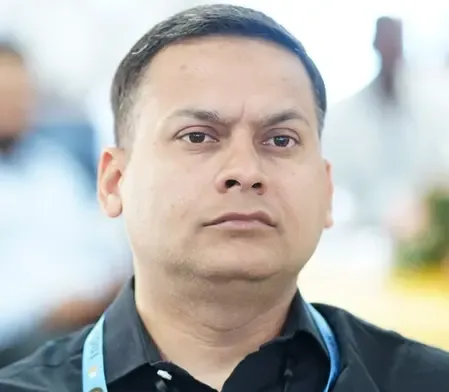
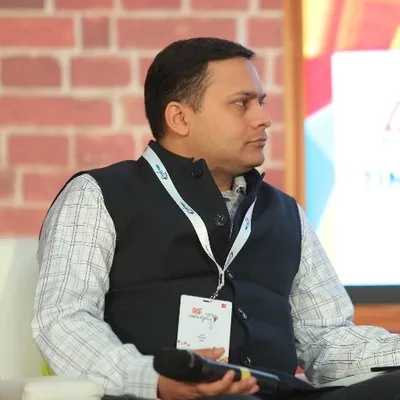
Amit Malviya, the Chief of the BJP’s Information Technology Cell and the party’s central observer for West Bengal, released a statement on Friday morning asserting that the state has experienced the slowest growth in consumption over the last 12 years under the Trinamool Congress administration.
Malviya highlighted that the most concerning aspect for the economy is the decline in consumption levels even among the urban elite since the fiscal year of 2011–12, which marked the beginning of Trinamool Congress rule.
He emphasized that this trend is particularly alarming because the urban elite typically play a pivotal role in driving economic growth and attracting investments.
“This situation is a direct result of Mamata Banerjee’s mismanagement characterized by a hostile business environment, policy paralysis, and a political focus on patronage over genuine economic progress. When a state experiences reduced consumption, it clearly indicates economic stagnation. West Bengal deserves much better than this ongoing cycle of economic decline,” Malviya stated on his social media account.
Economic experts and industry analysts within the state concur with Malviya’s assessment, citing various factors contributing to the sluggish growth in consumption, stagnant economic conditions, and a scarcity of significant investments.
“While the state government has introduced policies aimed at reducing state intervention in industrial land acquisition, this serves as a disincentive for the manufacturing sector, which requires substantial land. Moreover, the absence of a Special Economic Zone (SEZ) policy is a barrier to attracting investments in sectors like Information Technology Enabled Services (ITES),” noted a city-based economic advisor.
He further remarked that the lack of investments has resulted in the state relying heavily on state excise for revenue generation over the years, which is not a sustainable or healthy economic strategy.
Point of View
It's essential to recognize the serious implications of the BJP's claims regarding West Bengal's economic status. The reported decline in consumption growth, particularly among the urban elite, raises alarms about the state's overall economic vitality and the effectiveness of current governance.
NationPress
22 Sept 2026
Frequently Asked Questions
What does the BJP claim about West Bengal's economy?
The BJP claims that West Bengal has the lowest consumption growth in India, indicating poor economic health.
Who is Amit Malviya?
Amit Malviya is the Chief of the BJP’s Information Technology Cell and serves as the party's central observer for West Bengal.
What factors are contributing to the economic issues in West Bengal?
Factors include a hostile business environment, policy paralysis, and a lack of significant investments.
What does the decline in urban elite consumption levels signify?
It signifies potential stagnation in economic growth, as urban elites typically drive investments.
How has the state government responded to industrial land acquisition?
The state government has announced policies aimed at minimizing state intervention in industrial land acquisition.