BJP's Saptadhara push: Modi's 7-pillar Viksit Bharat roadmap explained
Synopsis
BJP's Sambit Patra unpacked Modi's 'Saptadhara' — a seven-stream national roadmap spanning AI training for one crore youth, a 100 GW nuclear target by 2047, and a pivot from defence importer to exporter. The briefing also escalated a political row over the term 'Dimagi Naxal', invoking the UPA's own 2013 Supreme Court affidavit against the Congress.
Key Takeaways
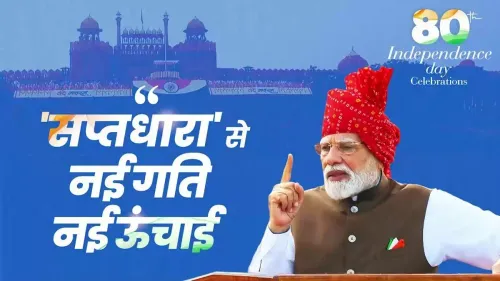
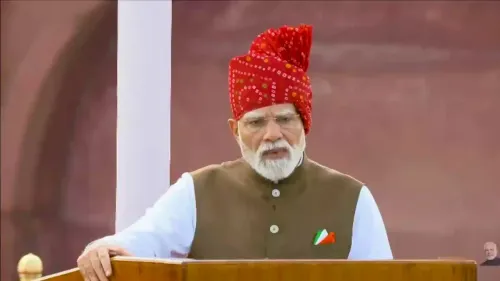
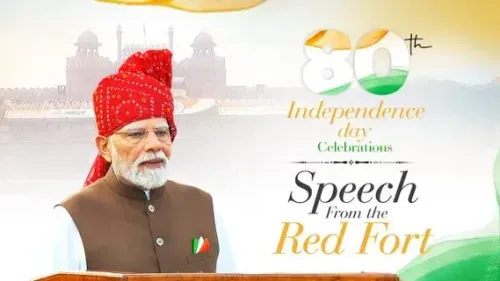
BJP spokesperson Sambit Patra elaborated on PM Modi's 'Saptadhara' roadmap on 25 August , originally announced from the Red Fort on 15 August .
The seven pillars are: manufacturing power, agriculture, technology and innovation, Gati Shakti (infrastructure), defence, green and blue economy, and cultural soft power.
Modi's plan includes AI training for one crore youth within a year and free online coaching via Digital Public Infrastructure.
India targets 100 GW of nuclear power capacity by 2047 under the clean energy stream.
Patra cited a 2013 UPA Supreme Court affidavit to counter Congress leader P.
Chidambaram's reported objections to the term 'Dimagi Naxal'.
India has shifted from being a major defence importer to exporting indigenous defence equipment, according to Patra.
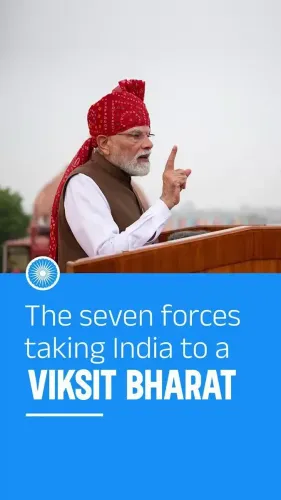
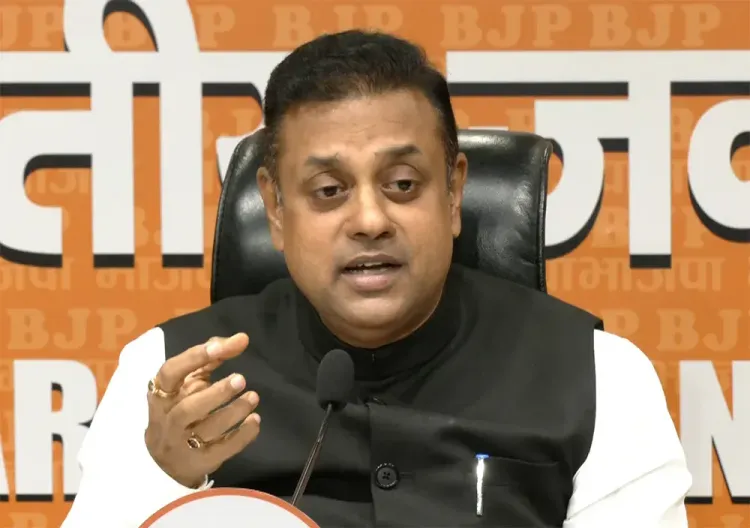
The Bharatiya Janata Party (BJP) on Monday, 25 August elaborated on Prime Minister Narendra Modi's 'Saptadhara' vision for a 'Viksit Bharat', calling the seven-pillar roadmap — announced from the Red Fort on 15 August — India's answer to the ambition embodied in the 'Great American Dream'. The party's national spokesperson Sambit Patra outlined the framework at a press conference at BJP headquarters in New Delhi, arguing that India has already begun building infrastructure, industries and opportunities comparable to those of developed nations.
The Seven Pillars of Saptadhara
Patra laid out each of the seven streams in sequence. The first is manufacturing power, with an emphasis on strengthening domestic value chains, end-to-end production within India, precision manufacturing, zero-defect products and globally competitive factories. The second stream centres on farmers, agriculture and food products — referred to by Patra as 'Annadatas' — with focus on raising agricultural productivity, increasing output of pulses and oilseeds, and promoting chemical-free and organic farming.
The third pillar covers technology and innovation, spanning space technology, quantum computing, artificial intelligence and data infrastructure. Patra highlighted Modi's announcement of AI training for one crore young people within a year and free online coaching through Digital Public Infrastructure, stating: 'When one crore children are trained in AI within a single year, that is when the technology and innovation stream of our Saptadhara will be fulfilled.'
Infrastructure, Defence and Clean Energy
The fourth stream, Gati Shakti, targets improved connectivity through high-speed rail, modern highways and inland waterways, with particular attention to infrastructure development in the Northeast — including new and upgraded airports and railway stations. Patra cited the redevelopment of Puri railway station as a concrete example.
Defence power forms the fifth pillar. Patra pointed to recent airstrikes and surgical strikes as markers of India's changed security posture, and noted the country's shift from being a major defence importer to exporting indigenous equipment. 'Countries from which we once imported goods, we are now exporting defence products, our indigenous defence products, to those very nations,' he said.
The sixth stream is the Green and Blue Economy, covering green hydrogen, renewable energy, energy storage and green manufacturing. Patra cited rooftop solar installations and the Surya Ghar Yojana as evidence of clean energy entering daily life, and highlighted India's nuclear energy ambition of 100 GW of nuclear power capacity by 2047.
Cultural and Soft Power as the Seventh Stream
The final pillar encompasses cultural and soft power — Yoga, Ayurveda, cultural tourism, handicrafts, cinema, visual effects, animation, gaming and digital content. Patra cited the global reach of Yoga and the institution of International Yoga Day as evidence of India's expanding cultural influence on the world stage.
The 'Dimagi Naxalism' Debate
Patra also trained his criticism on Congress leader P. Chidambaram over reportedly expressed reservations about the term 'Dimagi Naxal' — loosely translated as 'intellectual Naxal'. Patra cited a 2013 affidavit submitted by the then UPA government in the Supreme Court, which, he argued, itself acknowledged the threat posed by Naxalism, and contended that the ideological dimension of that threat also warranted a response. This comes amid a broader political debate over the use of the term and its application to critics of government policy.
Patra concluded by urging the media to highlight what he described as positive stories of India's transformation, and argued that all seven streams would need to advance simultaneously for India to realise its development ambitions by 2047.
Point of View
Several of the seven streams — AI skilling, green energy, defence exports — echo targets announced in previous terms that have seen mixed delivery. The 'Dimagi Naxal' thread is a deliberate provocation, designed to draw the Congress into a culture-war argument rather than a policy debate. Whether the Saptadhara framing translates into a coherent legislative or budgetary agenda, or remains a branding exercise, will depend on what follows in Parliament's next session.
NationPress
9 Oct 2026
Frequently Asked Questions
What is PM Modi's 'Saptadhara' roadmap for Viksit Bharat?
'Saptadhara' is a seven-pillar national development framework announced by Prime Minister Narendra Modi from the Red Fort on 15 August, covering manufacturing, agriculture, technology and innovation, infrastructure (Gati Shakti), defence, the green and blue economy, and cultural soft power. The roadmap is aimed at making India a developed nation by 2047.
What did BJP's Sambit Patra say about AI and technology under Saptadhara?
Patra highlighted Modi's announcement of AI training for one crore young people within a year and free online coaching for children through Digital Public Infrastructure. He described this as the fulfilment of the technology and innovation stream of the Saptadhara framework.
What is the 'Dimagi Naxal' controversy and why did BJP raise it?
The term 'Dimagi Naxal' refers to what the BJP describes as intellectual or ideological support for Naxalism. Patra criticised Congress leader P. Chidambaram's reported reservations about the term, citing a 2013 UPA government affidavit in the Supreme Court that acknowledged the threat posed by Naxalism, to argue that its ideological dimension also needs to be countered.
What is India's nuclear energy target under the Saptadhara green economy pillar?
India has set a target of 100 GW of nuclear power capacity by 2047 as part of the green and blue economy stream of the Saptadhara roadmap. The government also cited rooftop solar installations and the Surya Ghar Yojana as examples of clean energy already entering daily life.
How has India's defence posture changed according to the BJP's Saptadhara briefing?
According to Patra, India has transitioned from being a major defence importer to exporting indigenous defence equipment to countries from which it previously bought arms. The defence power pillar of Saptadhara emphasises continued self-reliance in defence production.