Brazil slams US 10% aircraft tariff plan, says it won't yield
Synopsis
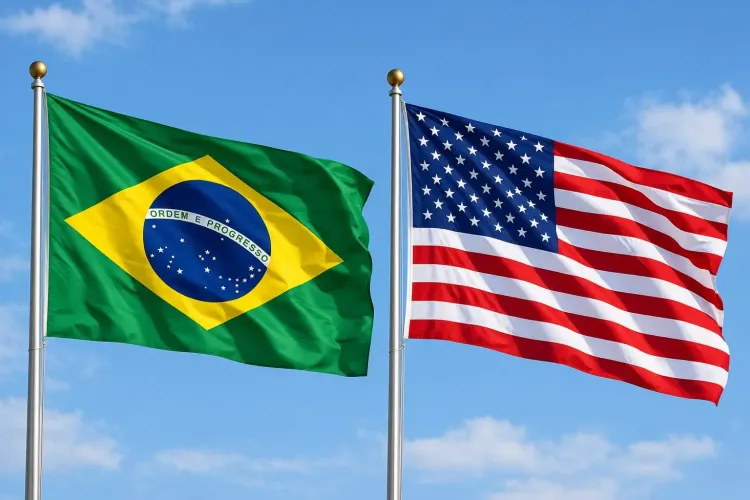
Brazil has accused Washington of using tariffs to force changes to its PIX payment system and digital rules, not just to settle a trade dispute. Facing a proposed extra 10% duty on its aircraft and higher sugar tariffs, Brasília says it won't bow and has not ruled out a WTO fight or reciprocal measures.
Key Takeaways
The USTR proposed an additional 10% tariff on finished Brazilian aircraft and higher duties on some out-of-quota sugar imports on 26 November 2026 .
Brazil called the move unacceptable during ongoing talks and said it would not yield to threats.
Brasília alleged the tariffs aim to pressure changes to the PIX payment system, digital commerce and preferential agreements.
Brazil kept open a WTO challenge and reciprocal measures; a US public hearing is set for 14 January 2027 .
Brazil's Chamber of Deputies passed Lula's fiscal package 353-128 , projecting savings of up to 56 billion reais in 2027.
The Brazilian government on Wednesday, 26 November 2026, expressed indignation over a fresh US tariff proposal targeting Brazilian aircraft and sugar. It called the move by the Office of the United States Trade Representative (USTR) unacceptable while bilateral talks are still under way. In a statement from the presidential communications office, Brasília said it would not yield to this type of threat and kept open the option of retaliatory measures.
Key Developments
Earlier on Wednesday, the USTR proposed an additional 10 per cent tariff on finished aircraft imported from Brazil. It also proposed higher duties on certain out-of-quota sugar imports. The proposal falls under an ongoing Section 301 action, and a public hearing on the measures is scheduled for 14 January 2027.
According to the statement, Brazil has been negotiating in good faith with Washington for more than a year over the Section 301 case. The government said the United States had committed in August to sending terms of reference for a possible bilateral economic and trade agreement. Despite repeated requests from Brazil, those terms have reportedly not been delivered.
What the Brazilian Government Said
The statement said the tariff proposal was aimed at pressuring Brazil to change domestic regulations on the PIX payment system, digital commerce and preferential agreements, among other areas. It said the USTR's unilateral decision was unacceptable in the context of ongoing bilateral negotiations.
Brazil said it will keep pursuing a negotiated solution. It also said it retains the option of taking action at the World Trade Organization (WTO) and has not ruled out reciprocal measures.
Notably, the dispute goes beyond conventional goods trade. PIX, Brazil's widely used instant payment platform, has become a point of friction because it competes directly with card networks and digital payment firms. That puts Brazil's domestic financial infrastructure at the centre of a trade fight.
Fiscal Package Clears Congress
The tariff row comes a day after Brazil's Chamber of Deputies approved, on Tuesday, a fiscal package proposed by President Luiz Inacio Lula da Silva's administration to help balance public accounts. The Senate had passed the bill last week. The lower house approved it with 353 votes in favour, 128 against and five abstentions, and the bill now goes to the president for his signature.
The plan combines spending cuts with higher tax revenue, mainly by limiting tax breaks across sectors. Its stated goal is to stabilise public debt while protecting social policies. The government estimates savings of up to 56 billion reais (about 9.51 billion US dollars) in 2027.
Key provisions include:
- Changes to the fiscal framework that allow additional spending cuts to meet fiscal targets.
- From next year, a lower cap on spending growth, reduced from 2.5 per cent to 2 per cent above inflation.
- Reduced tax exemptions.
- A 60-day deadline for Congress to set rules curbing public-sector payments that exceed salary caps.
After the vote, Chamber of Deputies President Hugo Motta said the adjustments better position the country to organise its 2027 budget and investment planning.
What Happens Next
The next milestone is the USTR's public hearing on 14 January 2027, which will indicate whether Washington proceeds with the duties. Until then, Brazil appears set to pursue negotiation and a possible WTO challenge in parallel, with reciprocal measures held in reserve as leverage.
Point of View
A state-backed payments platform that competes with American card and fintech players. For India, whose UPI faces similar scrutiny abroad, the precedent matters: Section 301 is increasingly being aimed at domestic digital public infrastructure. Brazil's fiscal tightening also limits how much economic pain it can absorb, which could make its defiance harder to sustain than it sounds.
NationPress
26 Nov 2026
Frequently Asked Questions
What tariffs has the US proposed on Brazil?
The USTR has proposed an additional 10 per cent tariff on finished aircraft imported from Brazil and higher duties on certain out-of-quota sugar imports. The proposal is part of an ongoing Section 301 action.
Why is Brazil angry about the US tariff proposal?
Brazil says it has negotiated in good faith for more than a year and that the US has not sent the terms of reference for a trade agreement it promised in August. Brasília also says the tariffs are meant to pressure it into changing rules on the PIX payment system, digital commerce and preferential agreements.
How will Brazil respond to the US tariffs?
Brazil says it will keep seeking a negotiated solution. It retains the option of acting at the World Trade Organization and has not ruled out reciprocal measures.
When will the proposed US tariffs on Brazil be decided?
A public hearing on the proposed measures is scheduled for 14 January 2027. A decision on whether to impose the duties would follow that process.
What is in Brazil's new fiscal package?
The package cuts spending, limits tax breaks and lowers the cap on spending growth from 2.5 per cent to 2 per cent above inflation from next year. The government estimates savings of up to 56 billion reais in 2027.