US proposes 10% tariff on Brazilian aircraft, Brazil hits back
Synopsis
Washington wants more than lower trade barriers from Brazil. Brazil says the new 10% aircraft tariff and sugar levy are meant to pressure it into changing rules on its PIX payment system and digital commerce. It has refused to yield and kept WTO action and retaliation on the table.
Key Takeaways
The US has proposed an additional 10 per cent tariff on Brazilian finished aircraft and a specific tariff on sugar under Section 301 of the Trade Act of 1974 .
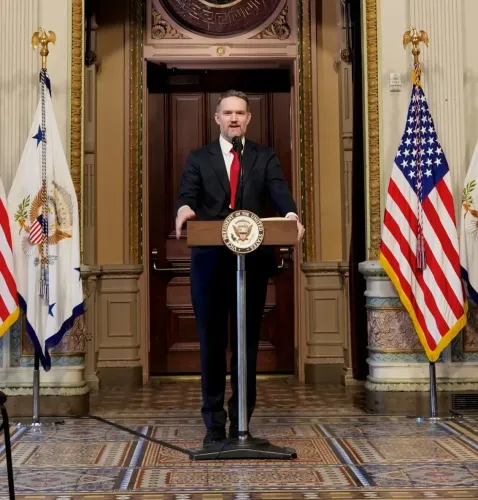
USTR Jamieson Greer said the move is intended to “help bring Brazil to the table”.
On July 20 , the USTR had imposed a 25 per cent tariff on certain Brazilian goods.
Brazil says it has negotiated in good faith for more than a year , and that the US has not sent the trade-deal terms of reference it promised in August .
Brazil alleges the proposal aims to force changes to its PIX payment system and digital commerce rules.
Brazil is keeping WTO action and reciprocal measures open as options.
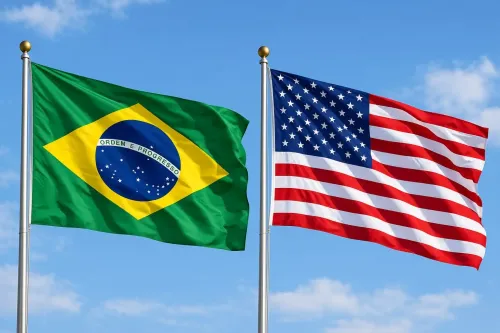
The United States has proposed fresh tariffs on Brazilian imports, including an additional 10 per cent levy on finished aircraft and a specific tariff on sugar, invoking Section 301 of the Trade Act of 1974. The move drew a sharp response from the Brazilian government, which called the decision unacceptable while bilateral negotiations were still underway and said it would not yield to such threats.
What Washington Proposed
US Trade Representative Jamieson Greer said on Wednesday (local time) that Brazil continues to export significant amounts of out-of-quota sugar and finished aircraft to the United States. These products are currently exempt from tariffs imposed earlier.
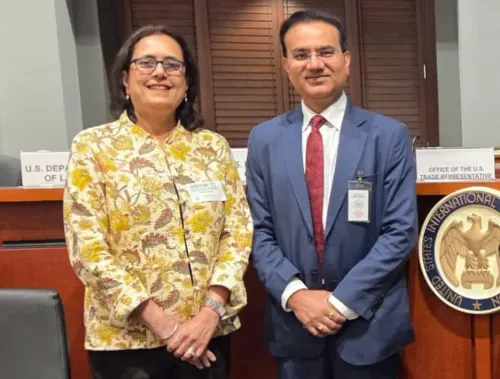
Greer framed the proposal as a pressure tactic. “Imposing an additional, specific tariff on sugar imports from Brazil and an additional 10 per cent tariff on finished aircraft exports from Brazil is intended to help bring Brazil to the table,” he said in a press release.
Notably, this is not the first Section 301 measure against Brazil. On July 20, the Office of the US Trade Representative (USTR) imposed a 25 per cent tariff on certain Brazilian goods, according to reports. The new proposal targets products that escaped that earlier round.
Brazil's Response
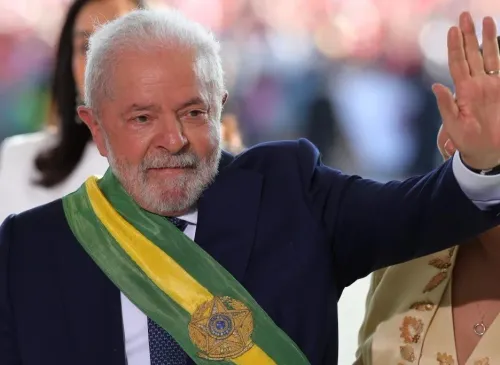
In a statement issued by its presidential communications office, the Brazilian government expressed indignation over the proposal. It said it had been negotiating in good faith with the United States for more than a year over the Section 301 action.
The statement added that Washington had committed in August to sending the terms of reference for a possible bilateral economic and trade agreement. According to Brazil, the US has yet to do so despite repeated requests.
Brazil also said the new tariff proposal was aimed at pressuring it to change domestic regulations on the PIX payment system, digital commerce and preferential agreements, among other areas.
Why It Matters
Section 301 gives the US executive branch broad power to act against trade practices it considers unfair, without first going through multilateral dispute settlement. Its repeated use against Brazil points to a widening dispute that reaches beyond tariffs into regulatory sovereignty, including Brazil's homegrown digital payments infrastructure.
Aircraft and sugar are among Brazil's most visible exports to the US market. That makes the proposal a targeted escalation rather than a symbolic one. The dispute also comes as several countries face pressure from Washington's tariff-led trade strategy.
What Happens Next
The Brazilian government described the unilateral decision by the USTR as unacceptable in the context of ongoing talks. It said it would continue to seek a negotiated solution.
Brazil said it retains the option of taking action at the World Trade Organization (WTO) and has not ruled out reciprocal measures. Whether the proposal is finalised, and whether Brasília retaliates, will shape the next phase of one of the Western Hemisphere's most closely watched trade disputes.
Point of View
Its state-backed digital payments system. If accurate, Section 301 is being used to contest domestic regulatory choices, a precedent India, with its own UPI ambitions abroad, should watch closely. Washington's reported failure to send promised terms of reference also undercuts its claim that Brazil must be 'brought to the table'. Tariffs used as leverage against payments sovereignty could reshape how emerging economies defend their digital public infrastructure.
NationPress
26 Nov 2026
Frequently Asked Questions
What new tariffs has the US proposed on Brazil?
The US has proposed an additional 10 per cent tariff on finished aircraft from Brazil and a specific tariff on sugar imports, citing Section 301 of the Trade Act of 1974. Both products were exempt from earlier tariffs.
Why did the US propose tariffs on Brazilian aircraft and sugar?
US Trade Representative Jamieson Greer said Brazil continues to export significant amounts of out-of-quota sugar and finished aircraft that escaped previous tariffs. He said the move is intended to help bring Brazil to the negotiating table.
How has Brazil reacted to the US tariff proposal?
Brazil called the unilateral decision unacceptable during ongoing talks and said it would not yield to threats. It alleged the proposal aims to pressure it over its PIX payment system, digital commerce and preferential agreements.
What earlier tariffs has the US imposed on Brazil?
On July 20, the Office of the US Trade Representative imposed a 25 per cent tariff on certain goods from Brazil, according to reports. The new proposal targets aircraft and sugar, which were exempt from that round.
What options does Brazil have against the new US tariffs?
Brazil said it will keep seeking a negotiated solution but retains the option of acting at the World Trade Organization. It has also not ruled out reciprocal measures.