Baloch Yakjehti Committee launches global campaign for BRM second anniversary
Synopsis
Two years after thousands gathered in Gwadar under alleged state crackdown, the Baloch Yakjehti Committee is launching a permanent digital archive and global campaign to ensure the Baloch Raaji Muchi is not erased from history — framing memory preservation itself as an act of political resistance.
Key Takeaways
The Baloch Yakjehti Committee (BYC) announced a global campaign on 27 July 2025 to mark the second anniversary of the Baloch Raaji Muchi .
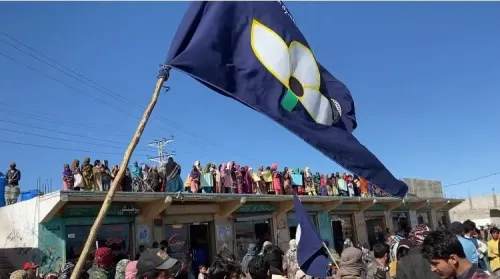
The original gathering took place in Gwadar on 28 July 2024 , with thousands demanding justice and an end to what the BYC calls the genocide of the Baloch people.
The BYC alleges participants faced internet blackouts , arbitrary arrests , highway blockades , and violent crackdowns during the 2024 event.
A Baloch Raaji Muchi Permanent Digital Archive is being launched to collect eyewitness testimonies, photographs, court documents, and family narratives.
The BYC had previously held a webinar and archiving drive for the first anniversary in 2025 ; this year's campaign is a broader expansion of those efforts.
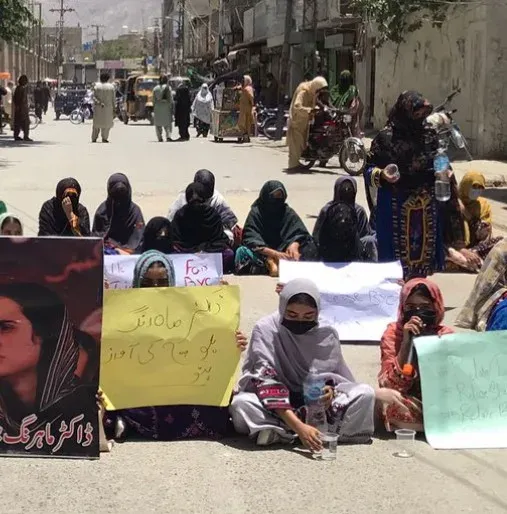
The Baloch Yakjehti Committee (BYC), a human rights organisation, on Sunday, 27 July 2025, announced a comprehensive global campaign to commemorate the second anniversary of the Baloch Raaji Muchi (Baloch National Gathering), which was held in Gwadar on 28 July 2024. The campaign aims to preserve the memory of the gathering and amplify the voices of those affected by what the BYC describes as state repression.
What the BYC Is Marking
The Baloch Raaji Muchi of July 2024 brought together thousands of Baloch men, women, and children in Gwadar to demand justice, dignity, and an end to what the BYC characterises as the ongoing genocide of the Baloch people. The BYC described the gathering as 'a testament to the collective resistance, political reawakening, and unbroken will of the Baloch people.'
According to the rights group, participants faced internet blackouts, arbitrary arrests, blocked highways, violent crackdowns, injuries, and loss of lives during the event. The BYC has consistently accused Pakistani state forces of excessive use of force, allegations that Pakistani authorities have not publicly accepted.
The Global Campaign: What It Involves
The BYC announced what it termed a 'comprehensive, multi-layered global campaign' structured around several pillars. Central to the effort is the launch of the Baloch Raaji Muchi Permanent Digital Archive, which the group says will preserve materials that might otherwise be erased by state censorship.
The organisation is calling on participants and supporters to contribute eyewitness testimonies, verified and previously unpublished high-resolution photographs, news coverage clips, and any independent human rights documentation detailing alleged violations during the gathering. It is also seeking copies of First Information Reports (FIRs), court orders, bail pleas, and official documents related to the detention of protesters and BYC organisers.
Personal narratives from families who lost loved ones, or whose relatives were reportedly injured, arrested, or forcibly disappeared during the crackdown, are also being solicited for the archive.
Background and Prior Efforts
This is not the BYC's first attempt at documentation. Ahead of the first anniversary in 2025, the group had already initiated an archiving project and held a live webinar to mark the occasion. The second-anniversary campaign represents a significant expansion of that effort, with the BYC explicitly framing preservation of memory as 'an act of resistance.'
The BYC posted details of the campaign on social media platform X, outlining the categories of material it is seeking. The group accused authorities of relying on 'silence and erasure' to suppress the historical record of the gathering.
Broader Context
The Balochistan region has been the site of a long-running insurgency and a persistent human rights debate. Rights organisations, including international bodies, have repeatedly raised concerns about enforced disappearances, extrajudicial killings, and restrictions on press freedom in the province. Pakistani authorities have generally maintained that security operations target militant groups rather than civilian populations.
The BYC's global campaign is expected to gain traction among the Baloch diaspora and international human rights networks ahead of 28 July 2025, the second anniversary of the gathering.
Point of View
The group is attempting to build an evidentiary record that could eventually reach international human rights forums or UN mechanisms. What mainstream coverage often misses is that the battle over the Baloch Raaji Muchi is as much about historical narrative as it is about current conditions — and the BYC understands that controlling the archive is the next front. Pakistani state silence on these specific allegations, rather than a formal rebuttal, leaves a vacuum that international rights bodies will likely fill.
NationPress
26 Oct 2026
Frequently Asked Questions
What is the Baloch Raaji Muchi?
The Baloch Raaji Muchi, or Baloch National Gathering, was a mass assembly held in Gwadar on 28 July 2024, where thousands of Baloch people gathered to demand justice, dignity, and an end to what the Baloch Yakjehti Committee describes as the ongoing genocide of the Baloch people. The BYC says participants faced state repression including internet blackouts, arrests, and violent crackdowns.
What is the BYC's global campaign for the second anniversary?
The Baloch Yakjehti Committee has announced a multi-layered global campaign centred on launching a Permanent Digital Archive of the July 2024 gathering. It is calling for eyewitness testimonies, unpublished photographs, news coverage, human rights reports, court documents, and personal family narratives to be submitted for preservation.
Why does the BYC call memory preservation an act of resistance?
The BYC accuses Pakistani authorities of relying on 'silence and erasure' to suppress the historical record of the Baloch National Gathering. By building a permanent digital archive, the group aims to counter what it describes as state censorship and ensure accountability for alleged human rights violations.
What happened at the first anniversary of the Baloch Raaji Muchi?
Ahead of the first anniversary in 2025, the BYC initiated an archiving project and held a live webinar to commemorate the gathering. The second-anniversary campaign in 2025 represents a significant expansion of those earlier documentation efforts.
What is the situation in Balochistan that forms the backdrop to this campaign?
Balochistan has long been the site of a low-level insurgency and ongoing human rights concerns. International rights organisations have repeatedly raised issues of enforced disappearances, extrajudicial killings, and press restrictions in the province. Pakistani authorities have generally maintained that security operations target militant groups, not civilians.