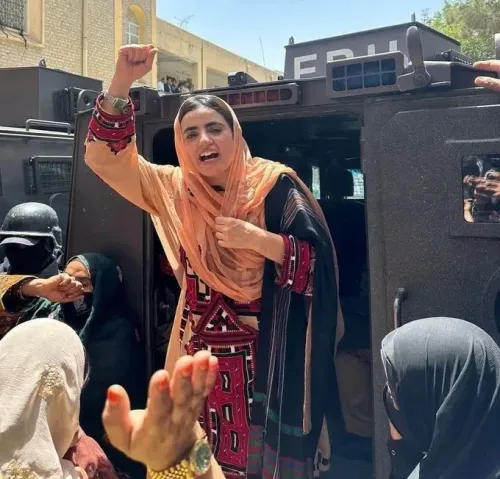
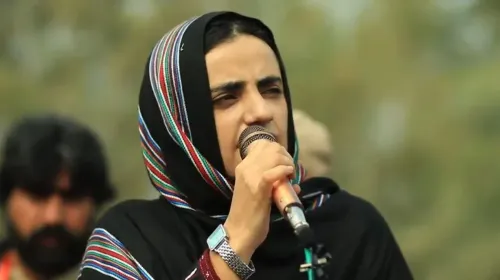
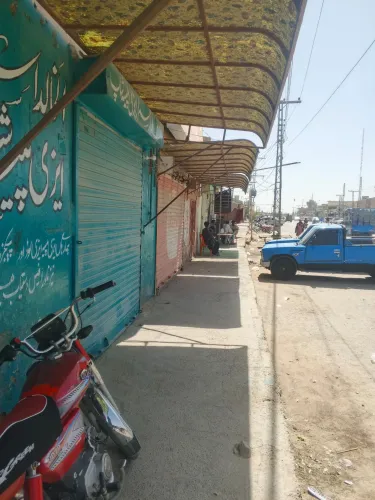
Baloch activist Gullazadi Baloch gets life sentence; BYC calls it 'state persecution'
Synopsis
Pakistan's Baloch Yakjehti Committee has condemned the life sentence of activist Gullazadi Baloch as a 'predetermined verdict' — the third such conviction against BYC leadership in three months. With the presiding judge allegedly admitting pre-trial pressure to convict, the case raises urgent questions about judicial independence and the criminalisation of peaceful political dissent in Balochistan.
Key Takeaways
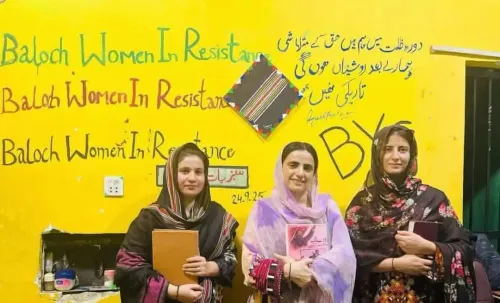
The Baloch Yakjehti Committee (BYC) condemned the life sentence of activist Gullazadi Baloch on 21 September 2026 as a 'predetermined verdict.' The sentence was delivered by Additional Sessions Judge-I Qadir Shah Bukhari in Quetta .
This is the third life sentence in three months against BYC leadership, following those of Dr.
Mahrang Baloch and Sighatullah Shahji .
The BYC alleges the judge admitted being under pressure to convict before the trial concluded, undermining judicial independence.
On 7 September 2026 , the court reportedly cross-examined a witness without defence representation, allegedly violating Article 10-A of Pakistan's Constitution and the ICCPR .
The BYC has called on appellate courts and constitutional authorities to independently review the verdict and examine the judge's conduct.
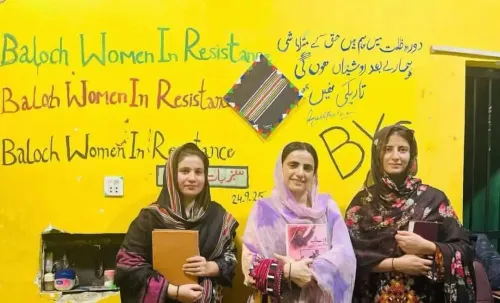
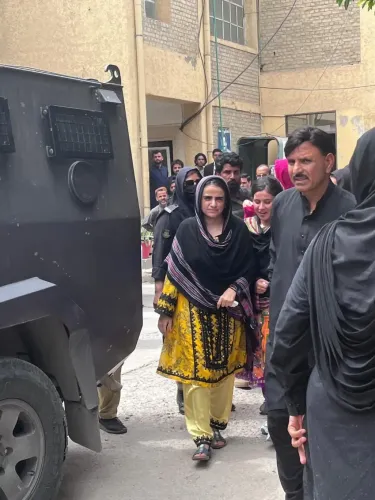
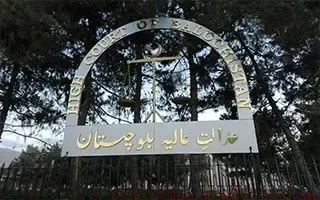
The Baloch Yakjehti Committee (BYC), a leading human rights organisation in Pakistan, on Monday, 21 September 2026, condemned the life sentence handed to Baloch activist Gullazadi Baloch as a 'predetermined verdict' and a direct 'continuation of state persecution' targeting peaceful Baloch political voices. The sentence was delivered by Additional Sessions Judge-I Qadir Shah Bukhari in Quetta.
A Pattern of Convictions Against BYC Leadership
The BYC described the ruling as part of a disturbing judicial pattern, noting that this is the third life sentence in three months against its leadership. Dr. Mahrang Baloch and Sighatullah Shahji were the two earlier recipients of such verdicts. 'After Dr. Mahrang Baloch and Sighatullah Shahji, a third life sentence in three months exposes a pattern of using courts to silence the BYC leadership,' the organisation said in an official statement.
Allegations of Judicial Pressure and Due Process Failures
The BYC had previously flagged serious concerns about the integrity of the proceedings. According to the organisation, the presiding judge had repeatedly stated he was under pressure and might have to award life imprisonment or death — remarks reportedly made before the trial concluded, which the BYC argues fundamentally undermined the presumption of innocence and judicial independence.
The group also pointed to procedural violations on 7 September 2026, when, despite an ongoing court strike and the absence of defence counsel, the court allegedly proceeded to cross-examine a witness without any defence representation. The BYC contends this falls short of fair-trial guarantees under Article 10-A of Pakistan's Constitution and Articles 14(3)(b) and (d) of the International Covenant on Civil and Political Rights (ICCPR).
BYC Rejects Verdict, Vows to Continue Struggle
'BYC rejects the verdict, noting that a judge who admits pressure to convict cannot be seen as neutral, and that the burden of proving impartiality lies with the judiciary, not the convicted,' the organisation stated. It added that despite the conviction, Gullazadi Baloch and the BYC's broader leadership remain resolute in their 'peaceful struggle for truth, the recovery of the disappeared, and Baloch rights.'
Calls for Independent Review and Accountability
The BYC has called on appellate courts and constitutional authorities in Pakistan to independently and promptly review the life sentence, examine the conduct of the presiding judge, and restore due process. It emphasised that 'no institution should be permitted to convert the judicial process into an instrument of political punishment.' The case is expected to draw further scrutiny from international human rights observers as the BYC pursues legal remedies at higher courts.
Point of View
As the organisation itself argues, a pattern. What makes this case particularly troubling is the on-record claim that the presiding judge signalled the outcome before the trial ended; if accurate, that is not merely a procedural lapse but a structural failure of judicial independence. Pakistan's commitments under the ICCPR are not aspirational — they are binding, and the alleged absence of defence counsel during witness cross-examination is a textbook violation. International human rights bodies have long documented enforced disappearances and the targeting of Baloch civil society; this verdict risks hardening that narrative and inviting fresh scrutiny at the UN Human Rights Council. The question is whether Pakistan's appellate judiciary has both the independence and the will to correct the record.
NationPress
21 Sept 2026
Frequently Asked Questions
Who is Gullazadi Baloch and why was she sentenced?
Gullazadi Baloch is a Baloch activist and a member of the Baloch Yakjehti Committee (BYC), a human rights organisation in Pakistan. She was sentenced to life imprisonment by Additional Sessions Judge-I Qadir Shah Bukhari in Quetta on 21 September 2026; the BYC contests the conviction as politically motivated and judicially compromised.
What is the Baloch Yakjehti Committee (BYC)?
The BYC is a leading human rights and civil society organisation in Pakistan that advocates for Baloch rights, including the recovery of enforced disappearances and accountability for state violence. It has faced repeated legal action from Pakistani authorities, which it characterises as political persecution.
Why does the BYC call the verdict 'predetermined'?
The BYC says the presiding judge repeatedly stated before the trial ended that he was under pressure and might have to award life imprisonment or death. The organisation argues these remarks, made prior to the conclusion of proceedings, destroyed the presumption of innocence and render the verdict a foretold outcome rather than an independent judicial finding.
What fair-trial violations does the BYC allege?
The BYC alleges that on 7 September 2026, the court cross-examined a witness during a court strike without any defence representation present. It says this violates Article 10-A of Pakistan's Constitution and Articles 14(3)(b) and (d) of the International Covenant on Civil and Political Rights (ICCPR), both of which guarantee the right to a fair trial and to examine witnesses.
What action is the BYC demanding?
The BYC is calling on Pakistan's appellate courts and constitutional authorities to independently and promptly review the life sentence, examine the conduct of the presiding judge, and restore due process guarantees. It has also urged that no institution be allowed to use judicial proceedings as a tool of political punishment.