Why Did the Calcutta HC Deny BJP's Protest Request Over ED's I-PAC Raids?
Synopsis
In a significant legal decision, the Calcutta High Court declined the BJP's plea to protest outside Nabanna against ED raids on I-PAC. This ruling has sparked controversy and further legal action from the BJP, highlighting the tense political climate in West Bengal.
Key Takeaways
The Calcutta High Court rejected BJP's protest request outside Nabanna.
High-security status of Nabanna played a crucial role in the decision.
Justice Ghosh proposed Mandirtala Crossing as an alternative protest site.
BJP plans to appeal the ruling to a division bench.
The case reflects ongoing political tensions in West Bengal.
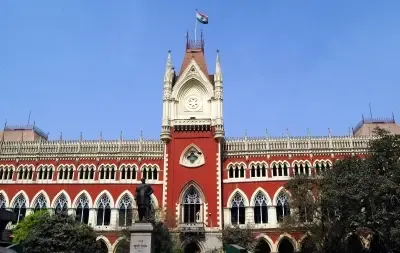
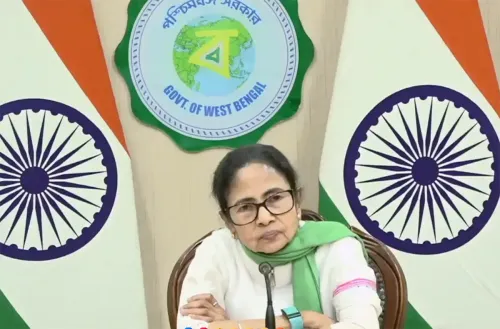
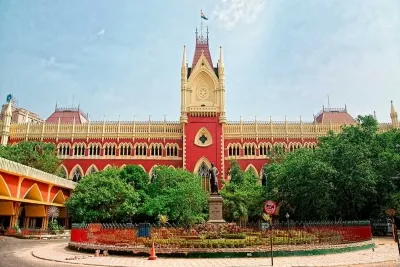
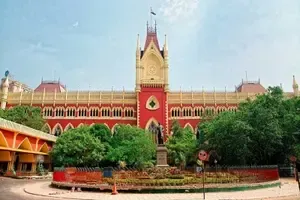
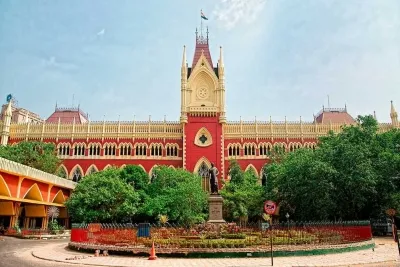
Kolkata, January 15 (NationPress) A single-judge bench of the Calcutta High Court has denied the request made by the West Bengal chapter of the Bharatiya Janata Party (BJP) to conduct a protest demonstration outside the state secretariat, Nabanna, located in Mandirtala, near Howrah district. This protest was aimed at addressing Chief Minister Mamata Banerjee’s purported efforts to obstruct the Enforcement Directorate’s (ED) ongoing raids on the Indian Political Action Committee (I-PAC).
While rejecting the application, Justice Ghosh acknowledged the state government’s position that protests cannot be facilitated in front of Nabanna due to its status as a high-security area.
Instead, Justice Ghosh proposed Mandirtala Crossing as a suitable alternative location for the demonstration.
It has been reported that the West Bengal BJP intends to challenge the single-judge ruling by appealing to a division bench of the Calcutta High Court.
On January 13, the BJP approached the Calcutta High Court, seeking authorization to hold their protest in front of Nabanna. Following a hearing on Thursday, the request was ultimately denied.
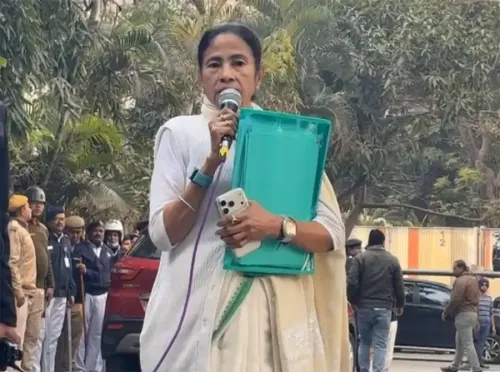
On January 8, while simultaneous raids were taking place at the I-PAC office and the residence of co-founder Pratik Jain, Chief Minister Banerjee visited both locations, reportedly gathering certain documents before departing.
The West Bengal BJP had planned a protest at Nabanna but required special permission due to the high-security nature of the site.
Consequently, they sought permission from the single-judge bench of the Calcutta High Court for this purpose.
Point of View
This ruling by the Calcutta High Court reflects the complex interplay between law and politics in India. It underscores the challenges faced by opposition parties in expressing dissent in high-security zones, raising questions about the balance between security and democratic rights.
NationPress
3 Oct 2026
Frequently Asked Questions
What was the BJP's request to the Calcutta High Court?
The BJP sought permission to hold a protest demonstration in front of Nabanna, the state secretariat, regarding the ED's raids on I-PAC.
Why was the protest request denied?
The Calcutta High Court denied the request due to Nabanna's classification as a high-security zone, where protests are not permitted.
What alternative location was suggested for the protest?
Justice Ghosh suggested Mandirtala Crossing as an alternative venue for the BJP's protest.
What actions are being taken by the BJP following the court's decision?
The West Bengal BJP plans to appeal the single-judge decision to a division bench of the Calcutta High Court.
Who are the key figures mentioned in the case?
Key figures include Chief Minister Mamata Banerjee and Pratik Jain, co-founder of I-PAC.