Chota Rajan sentenced to 7 years for passport fraud by Chennai CBI court
Synopsis
More than two decades after the case was registered, a Chennai CBI court has convicted gangster Chota Rajan — real name Rajendra Sadashiv Nikalje — for fraudulently obtaining an Indian passport under the alias 'Vijaya Kadam' using fabricated documents. Already serving a life sentence in Tihar Jail, Rajan now adds a seven-year term to his legal record.
Key Takeaways
A Special CBI Court in Chennai sentenced gangster Chota Rajan to seven years' imprisonment on 30 July for passport fraud.
The court also imposed a fine of ₹55,000 on conviction counts including cheating, forgery, and personation.
Rajan, whose real name is Rajendra Sadashiv Nikalje , had applied for the passport under the alias 'Vijaya Kadam' using forged documents.
The CBI registered the case on 19 March 2002 and filed a chargesheet on 22 January 2004 — the trial lasted over 20 years .
Rajan is currently lodged in Tihar Jail , where he is already serving a life sentence in a separate criminal case.
A Special Central Bureau of Investigation (CBI) Court in Chennai on Thursday, 30 July sentenced underworld gangster Chota Rajan to seven years' imprisonment for fraudulently obtaining an Indian passport using forged documents and a fabricated identity. The court also levied a fine of ₹55,000 on the convict, bringing to a close a case that had remained pending for over two decades.
Who Is Chota Rajan
Chota Rajan's real name is Rajendra Sadashiv Nikalje. He has operated under several aliases, including Vijaya Kadam, Rajendra, and Nana. He is currently lodged in Tihar Jail, New Delhi, where he is already serving a life sentence in a separate criminal case. Thursday's seven-year sentence is specifically tied to the passport fraud case investigated by the CBI.
How the Fraud Was Carried Out
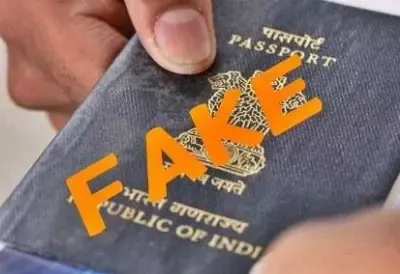
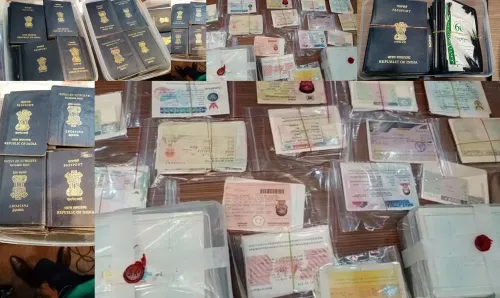
According to the CBI, the case was registered on 19 March 2002 after allegations emerged that Rajan had fraudulently secured an Indian passport from the Regional Passport Office in Chennai. Investigators found that he had applied under the false name 'Vijaya Kadam', submitting a fabricated school transfer certificate, ration card, and other forged documents to establish a fictitious identity, age, and place of residence.
The CBI established during its investigation that the individual who had presented himself as Vijaya Kadam was, in fact, Chota Rajan. The agency determined that he had impersonated another person and knowingly submitted forged records to deceive passport authorities. The fraudulently obtained passport was subsequently used as a genuine travel document, according to investigators.
Charges and Conviction
The CBI filed a chargesheet against Rajan on 22 January 2004, following the conclusion of its investigation. The trial proceeded over the subsequent years before the Special CBI Court delivered its verdict on Thursday. The court convicted Rajan on multiple counts — cheating, forgery, cheating by personation, and knowingly using forged documents as genuine for the purpose of obtaining a passport. It sentenced him to seven years' imprisonment and imposed a fine of ₹55,000.
Significance of the Verdict
The conviction closes a legal proceeding that stretched across more than 20 years, from the case registration in 2002 to the judgment in 2025. Notably, this is not Rajan's first conviction — he is already serving a life term in another criminal matter. The ruling underscores the legal consequences of obtaining official identity documents through fabricated records, and reflects the CBI's continued pursuit of fraud cases even when defendants are already imprisoned. This comes amid broader scrutiny of identity document forgery as a tool used by organised crime figures to evade law enforcement.
Point of View
Ultimately securing a conviction against a defendant already behind bars for life. That tenacity matters: it establishes that identity fraud by organised crime figures carries a legal cost regardless of a defendant's existing incarceration. The broader question is whether such outcomes deter document forgery networks that continue to serve fugitives and criminals seeking false identities — a concern that remains unresolved.
NationPress
13 Sept 2026
Frequently Asked Questions
What did the Chennai CBI court convict Chota Rajan of?
The Special CBI Court in Chennai convicted Chota Rajan of cheating, forgery, cheating by personation, and knowingly using forged documents as genuine to obtain an Indian passport. He was sentenced to seven years' imprisonment and fined ₹55,000.
What false identity did Chota Rajan use to obtain the passport?
Chota Rajan applied for the passport under the alias 'Vijaya Kadam', submitting fabricated documents including a forged school transfer certificate and ration card to establish a false identity, age, and residence at the Regional Passport Office in Chennai.
When was the CBI passport fraud case against Chota Rajan registered?
The CBI registered the case on 19 March 2002, following allegations that Rajan had fraudulently secured an Indian passport in Chennai. A chargesheet was filed on 22 January 2004, and the trial concluded with Thursday's verdict more than 20 years later.
Where is Chota Rajan currently imprisoned?
Chota Rajan is currently lodged in Tihar Jail in New Delhi, where he is already serving a life sentence in a separate criminal case. The seven-year passport fraud sentence adds to his existing legal penalties.
What is Chota Rajan's real name?
Chota Rajan's real name is Rajendra Sadashiv Nikalje. He has also been known by aliases including Vijaya Kadam, Rajendra, and Nana.