Congress Launches 'People's Manifesto' Ahead of Gujarat Local Elections
Synopsis
As Gujarat gears up for local elections, the Congress has introduced its 'People's Manifesto', outlining key urban governance strategies. This roadmap aims to address local issues and enhance public services in major cities, emphasizing community engagement and accountability.
Key Takeaways
Community Engagement: The manifesto prioritizes listening to public concerns.
Urban Governance: Proposes solutions for waste management and pollution.
Healthcare Initiatives: Plans for 24-hour health centers and free services for seniors.
Education and Employment: Commitment to modern schools and local job recruitment.
Infrastructure Development: Focuses on improving roads and public transport.
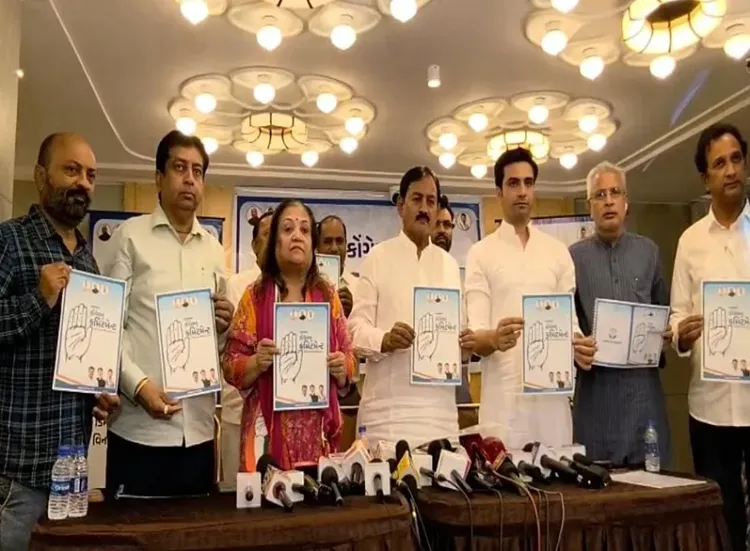
Ahmedabad, April 6 (NationPress) As Gujarat prepares for its upcoming local body elections later this month, the Congress party unveiled its "People's Manifesto" for significant urban areas on Monday, framing it as a comprehensive governance strategy ahead of the polls set to occur on April 26.
This manifesto, characterized by the party as a "Congress Commitment," has been introduced for major cities such as Ahmedabad, Surat, Rajkot, Jamnagar, Bhavnagar, Surendranagar, and Porbandar, featuring distinct pledges tailored to address local concerns.
Party officials indicated that additional documents for other municipal corporations will be released in the near future.
The civic elections, which encompass 15 municipal corporations along with various municipalities and panchayats, are anticipated to engage over four crore voters, marking one of the largest local electoral endeavors in the state.
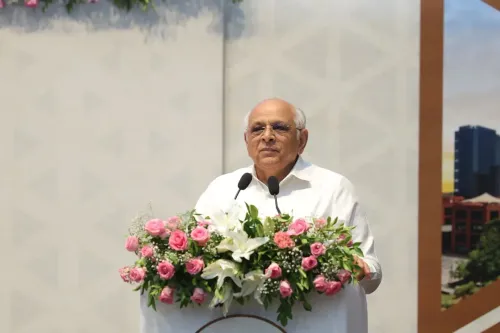
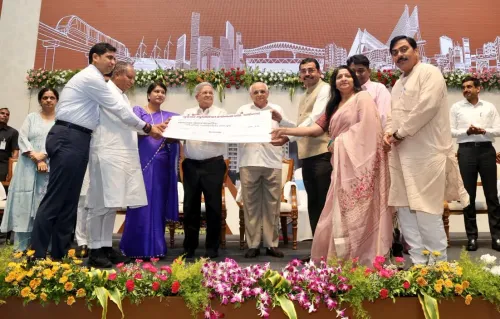
Vote counting is scheduled for April 28. While launching the manifesto in Ahmedabad, former Union Minister Bharatsinh Solanki emphasized that the document was crafted through direct engagement with the public rather than through traditional political promises.
"We engaged with the community, listened to their challenges, and created this manifesto. Each word reflects the voices and sentiments of the citizens," he stated, underscoring that for the party, politics revolves around inducing "positive transformations in people's lives."
The manifesto proposes a variety of urban governance initiatives, including enhanced door-to-door waste management, river restoration efforts, and increasing green spaces to combat pollution.
It also guarantees an improved water supply with sufficient pressure, the segregation of drinking water and sewage lines, and advanced stormwater management systems to alleviate waterlogging issues.
In the healthcare sector, the party suggests the establishment of 24-hour health centers at the ward level, free diagnostic services, multi-speciality hospitals, and complimentary check-ups for the elderly.
Education and youth-centric promises include modern schools in each ward, digital libraries, Wi-Fi access, AI-driven learning, and free coaching for competitive exams.
Regarding employment, Congress has committed to immediate permanent hiring for municipal positions, discontinuation of contractual employment, and prioritization of local youth.
Provisions for women involve tax benefits on property and vehicles, dedicated parking and sanitation facilities, hostels and childcare assistance, as well as enhanced safety measures.
Infrastructure commitments include pothole-free roads, public quality audits for construction projects, new flyovers, intelligent traffic systems, and improved public transportation.
The manifesto also encompasses legal acknowledgment and designated spaces for street vendors, affordable housing strategies with a "rehabilitation before demolition" philosophy, and expanded amenities for senior citizens and athletes.
Party representatives present at various launch events across cities affirmed that the manifesto is a "time-sensitive, accountable, and transparent" framework that will be prioritized for implementation if they gain power.
They described this initiative as a move away from "promise-based politics" toward a structured plan for delivery.
This announcement arrives amidst a fiercely competitive environment involving the BJP, Congress, AAP, and other parties vying for thousands of seats.
Point of View
The party aims to differentiate itself in a highly competitive political landscape, promoting a vision of accountability and transparency.
NationPress
19 Sept 2026
Frequently Asked Questions
What is the 'People's Manifesto'?
The 'People's Manifesto' is a governance framework released by the Congress party ahead of the local elections in Gujarat, focusing on urban issues and community needs.
When are the local elections in Gujarat?
The local body elections in Gujarat are scheduled for April 26, with vote counting set for April 28.
Which cities are covered in the manifesto?
The manifesto includes major cities such as Ahmedabad, Surat, Rajkot, Jamnagar, Bhavnagar, Surendranagar, and Porbandar.
What are some key proposals in the manifesto?
Key proposals include improved waste management, healthcare services, educational initiatives, and infrastructure development.
How does the Congress plan to engage with voters?
The Congress plans to engage with voters through direct consultations and community involvement in formulating the manifesto.