CTI backs SC protest remarks, lists 5 demands to shield Delhi traders
Synopsis
Delhi's apex trade body CTI is using a Supreme Court observation — that protest cannot be 'perpetual occupation' — as leverage to push five structural demands: a Diwali no-protest zone, a 'one day, one protest' rule, a new damages recovery law, a compensation fund for daily-wage workers, and mandatory NOCs from trade bodies before large rallies. The claimed ₹14,000 crore loss figure puts real economic pressure behind what had been a largely procedural debate.
Key Takeaways
CTI Chairman Brijesh Goyal welcomed Chief Justice Surya Kant's remark that 'occupation in the name of protest cannot be perpetual,' on 4 November 2026 .
CTI claims the indefinite occupation of Jantar Mantar caused ₹3,000 crore in business losses, with overall losses reportedly reaching ₹14,000 crore .
The body demands Central Delhi be declared a no-protest zone until 11 November , with the Diwali 10-day window permanently off-limits each year.
CTI is calling for a Delhi Recovery of Damages Act modelled on laws in UP, Haryana, MP, Punjab, Tripura and Uttarakhand .
A dedicated trade-disruption compensation fund is sought to cover losses for nearly 5 million daily-wage workers .
Delhi Police would need an NOC from CTI before permitting rallies of more than 10,000 people in Central Delhi.
The Chamber of Trade and Industry (CTI), an apex body representing traders and entrepreneurs in Delhi, on Wednesday, 4 November 2026 welcomed the Supreme Court's observation that 'occupation in the name of protest cannot be perpetual' and put forward five demands before the Delhi Police and the government to protect traders and businesses from losses caused by protests and demonstrations.
CTI Endorses Supreme Court's Stance
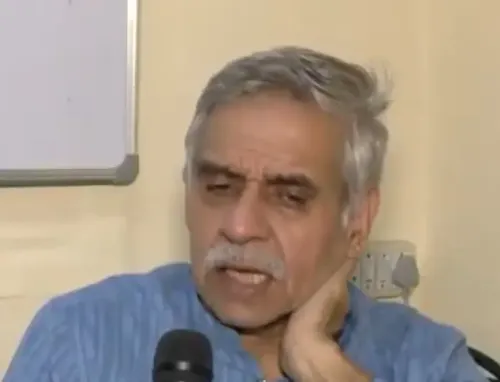
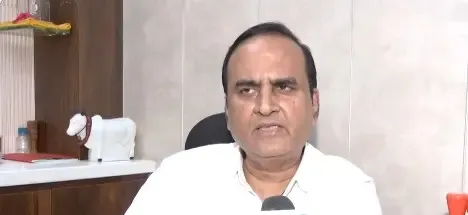
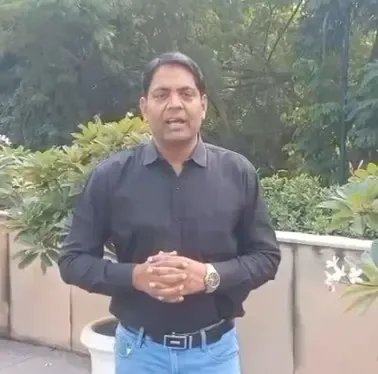
CTI Chairman Brijesh Goyal said the remarks by Chief Justice of India Surya Kant had given voice to the concerns of nearly two million traders, five million employees, and daily-wage workers across the capital. He said the court had rightly observed that a protest by one group should not deprive others of their fundamental rights — including the right to earn a livelihood.
Goyal noted that CTI had consistently maintained over the past month that while every citizen had the right to protest, others equally had the right to conduct business without disruption. He referred to Solicitor General Tushar Mehta's submission before the apex court that Jantar Mantar remained occupied for 17 days despite permission being granted for only one day, calling the development a validation of concerns the traders' body had repeatedly raised.
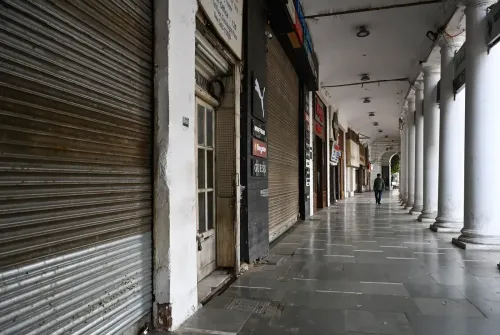
Goyal claimed the indefinite occupation of Jantar Mantar had caused business losses amounting to ₹3,000 crore in Delhi and questioned who would compensate traders for overall losses he claimed had reached ₹14,000 crore.
Key Demands Placed Before Authorities
CTI's first demand called for Central Delhi to be declared a no-protest zone until Bhaiya Dooj on 11 November, with a proposal to permanently designate the 10 days of the Diwali festival as a no-protest period every year. Goyal said no rallies, sit-ins or demonstrations should be permitted at Connaught Place, Jantar Mantar, Ramlila Maidan, India Gate, and Delhi Gate during this window, and suggested alternative sites — Burari, Alipur, Jasola, and Yamuna Khadar — be designated for such events.
Second, the body demanded strict enforcement of a 'one day, one protest' rule at Jantar Mantar, with organisations allowed to demonstrate at the venue for only one day at a time and mandatory vacation of the premises by 5 pm.
Legal and Financial Safeguards Sought
Third, CTI demanded the enactment of a Delhi Recovery of Damages Act to ensure compensation for business losses and damage to private property caused during protests. Goyal pointed to similar legislation already on the books in Uttar Pradesh, Haryana, Madhya Pradesh, Punjab, Tripura, and Uttarakhand, which provide for the recovery of damages from those responsible for planning or instigating violence and destruction during demonstrations.
Fourth, CTI proposed a dedicated trade-disruption insurance mechanism and a compensation fund for traders and daily-wage earners affected by rallies, demonstrations, and traffic restrictions. The fund, Goyal said, should cover losses suffered by nearly five million daily-wage workers, street vendors, auto-rickshaw drivers, loaders, and porters — groups whose livelihoods are directly hit by shop closures and transport disruptions. He suggested a structure similar to claims tribunals set up to address losses during riots.
NOC From Trade Bodies Before Large Rallies
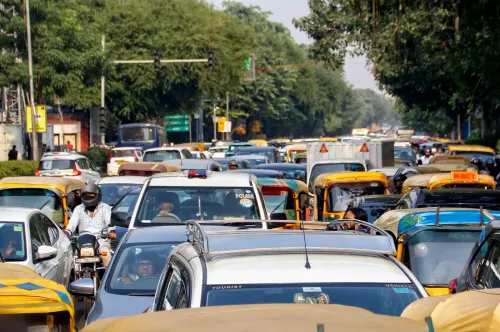
Fifth, CTI demanded that Delhi Police obtain a no-objection certificate (NOC) from CTI and the concerned market association before granting permission for any large rally involving more than 10,000 people in Central Delhi. The body also called for traffic management and parking plans for such events to be made public in advance, to minimise inconvenience to traders, employees, and commuters.
Broader Context
The five-point charter comes at a moment when the Supreme Court's scrutiny of indefinite protests — particularly at designated sites like Jantar Mantar — has intensified. This is not the first time Delhi's trading community has flagged economic damage from prolonged demonstrations; similar concerns were raised during the extended farmers' protest in 2020–21. CTI's demands, however, represent a more structured push for legislative and administrative remedies, moving beyond ad hoc appeals to authorities. The Supreme Court's observations, if translated into enforceable guidelines, could reshape how protest permissions are granted and monitored in the capital.
Point of View
In particular, would give a trade body a de facto veto over public assembly, which raises genuine free-speech concerns that mainstream coverage has glossed over. The ₹14,000 crore loss figure is a CTI claim, not an audited estimate, and deserves scrutiny before it drives policy. What the episode does reveal is a governance gap: Delhi still lacks the kind of codified protest-management framework that several other states have enacted, and that vacuum is being filled, for now, by litigation and lobbying.
NationPress
4 Nov 2026
Frequently Asked Questions
Why did CTI welcome the Supreme Court's remarks on protests?
CTI welcomed the observation because Chief Justice Surya Kant's statement that 'occupation in the name of protest cannot be perpetual' directly echoes the traders' body's long-standing position. CTI argues that the indefinite occupation of Jantar Mantar — which Solicitor General Tushar Mehta told the court lasted 17 days despite a single-day permit — caused business losses of ₹3,000 crore in Delhi alone.
What are CTI's five demands to protect Delhi traders?
CTI is demanding: (1) Central Delhi declared a no-protest zone until 11 November, with the Diwali window permanently off-limits; (2) strict 'one day, one protest' rule at Jantar Mantar with mandatory 5 pm departure; (3) enactment of a Delhi Recovery of Damages Act; (4) a trade-disruption insurance and compensation fund for daily-wage workers; and (5) mandatory NOC from CTI and market associations before Delhi Police grants permission for rallies of more than 10,000 people.
How much have Delhi traders claimed to have lost due to protests?
CTI Chairman Brijesh Goyal has claimed that the indefinite occupation of Jantar Mantar caused ₹3,000 crore in business losses, with overall losses from protests and demonstrations reportedly reaching ₹14,000 crore. These are CTI's own estimates and have not been independently verified.
What is the proposed Delhi Recovery of Damages Act?
It is a proposed law that would allow the government to recover damages from individuals or organisations responsible for planning or instigating violence and destruction of property during protests. CTI has pointed to similar legislation already in force in Uttar Pradesh, Haryana, Madhya Pradesh, Punjab, Tripura, and Uttarakhand as models for Delhi.
Which areas does CTI want declared a no-protest zone?
CTI wants no rallies, sit-ins, or demonstrations at Connaught Place, Jantar Mantar, Ramlila Maidan, India Gate, and Delhi Gate — at least until Bhaiya Dooj on 11 November. The body also proposes that this zone remain protest-free for all 10 days of the Diwali festival every year. It has suggested Burari, Alipur, Jasola, and Yamuna Khadar as alternative protest venues.