How Do Human Values Foster Cultural Flourishment? Ex-Vice Prez Venkaiah Naidu Explains
Synopsis
Discover how former Vice-President M. Venkaiah Naidu emphasizes the importance of culture rooted in human values. At Utkal University of Culture, he discusses the significance of social harmony, environmental sustainability, and innovation in cultural growth. This insightful address sheds light on the intersection of tradition and modernity in shaping the future.
Key Takeaways
Culture thrives when rooted in human values.
Odisha is a significant hub for cultural studies .
Education should empower students to embrace innovation .
Development must be anchored in cultural values .
Culture is a dynamic resource for employment and social cohesion.
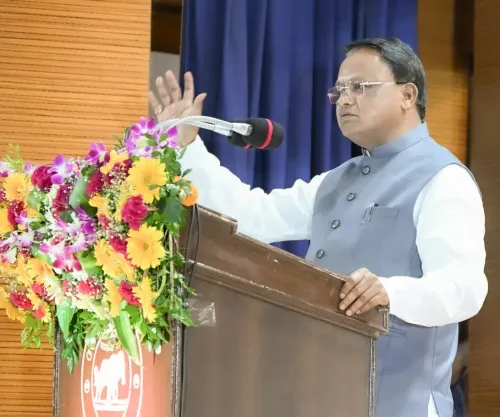
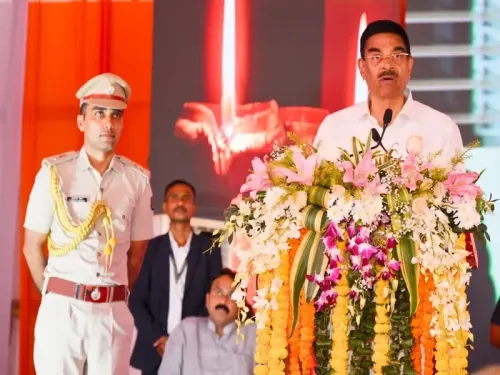
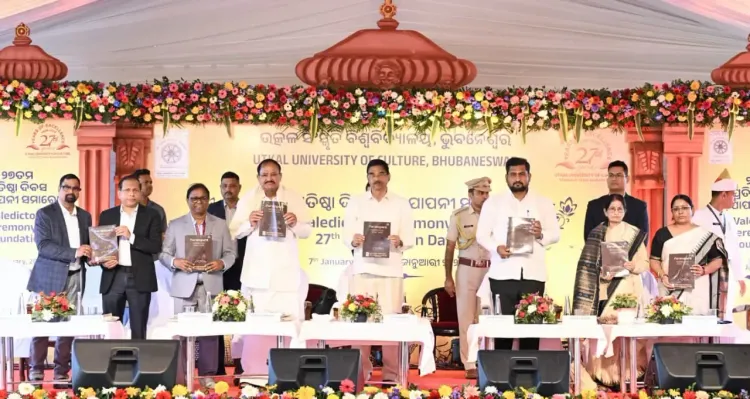
Bhubaneswar, Jan 7 (NationPress) The former Vice-President of India, M. Venkaiah Naidu, stated on Wednesday that culture thrives when it addresses genuine human issues, including social harmony, environmental sustainability, dignity of labor, and inclusive growth.
During his address at the closing ceremony of the 27th Foundation Day of the Utkal University of Culture, Naidu remarked that Odisha holds a distinct position in India's civilizational narrative, where culture has consistently been viewed as a vital force shaping communal life.
“From rituals and customs to architecture, literature, music, dance, and craftsmanship, culture in Odisha is woven into the fabric of daily life. Thus, it is appropriate that the nation’s first university solely devoted to cultural studies was founded in this state,” he noted.
Speaking to the students, Naidu emphasized that they are not only inheritors of a rich cultural heritage but also the architects of its future. He encouraged them to honor tradition while also embracing innovation and asserted that education should enable them to question, create, and serve society effectively.
Highlighting that the current era is characterized by rapid advancement and technology, Naidu pointed out that institutions like the Utkal University of Culture serve as a reminder that progress should be anchored in identity, ethics, and collective memory. He warned that development lacking cultural foundation risks becoming superficial and detached from human values.
Stressing that culture is dynamic and perpetually evolving, Naidu mentioned that the university's role extends beyond mere preservation to the significant reinterpretation of traditions through research, documentation, creative experimentation, and ongoing academic dialogue.
He commended the university’s interdisciplinary approach, outreach efforts, and community involvement, referring to educators as mentors and guides who maintain a delicate balance between academic rigor, ethics, and creative sensitivity.
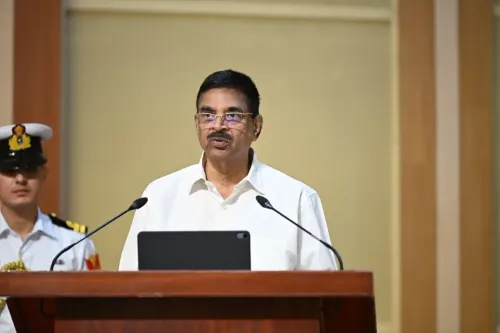
In his remarks, Odisha Governor Dr. Hari Babu Kambhampati underscored the importance of viewing culture as a catalyst for innovation, entrepreneurship, and sustainable livelihoods in a swiftly changing, technology-driven world.
He stated that students and alumni of the university are not only guardians of tradition but also potential cultural entrepreneurs and innovators.
“Culture is not merely an entity to be preserved; it is a vibrant resource capable of generating employment, enhancing social cohesion, and contributing to sustainable development,” the Governor concluded.
Point of View
It is essential to recognize that the discourse around culture and human values, as articulated by former Vice-President Naidu, underscores a pressing need for a balance between tradition and modernity in our society. By fostering a cultural environment that values inclusivity and sustainability, we position ourselves to create a more harmonious future.
NationPress
11 Oct 2026
Frequently Asked Questions
What did Venkaiah Naidu emphasize about culture?
Venkaiah Naidu emphasized that culture flourishes when it engages with human values such as social harmony, environmental sustainability, and inclusive growth.
Why is Odisha significant in Indian culture?
Odisha holds a unique position in India's civilizational narrative, where culture is seen as a vital force shaping collective life.
What is the role of Utkal University of Culture?
Utkal University of Culture plays a critical role in preserving, researching, and creatively reinterpreting cultural traditions.
What message did the Governor of Odisha convey?
The Governor highlighted the importance of viewing culture as a driver of innovation, sustainable livelihoods, and social cohesion.
How can culture contribute to employment?
Culture can generate employment and strengthen social cohesion, contributing to sustainable development in the community.