Dawood Ibrahim's Succession Struggle: ISI Maneuvers Amid Health Decline
Synopsis
Dawood Ibrahim's health issues have ignited a fierce succession battle within his syndicate, prompting the ISI to intervene. As internal rifts threaten the stability of his operations, the ISI's strategic moves could have significant implications for their funding and terrorism activities against India.
Key Takeaways
Dawood Ibrahim is depicted as a bedridden figure in recent media.
The ISI plays a crucial role in managing the Dawood syndicate.
Internal rifts are emerging due to Dawood's poor health.
A succession plan is being established to prevent disruption in operations.
The syndicate's funds are vital for terrorist activities against India.
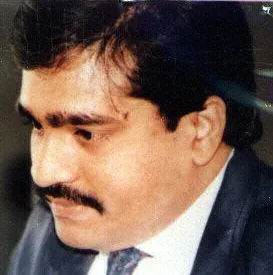
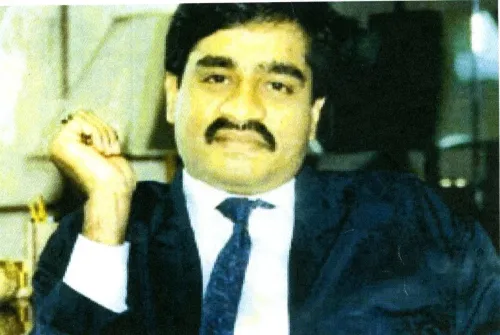
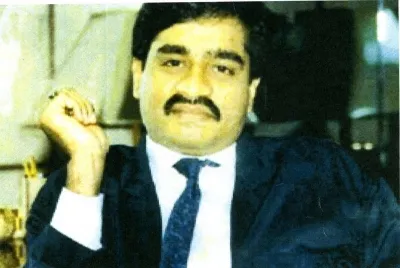
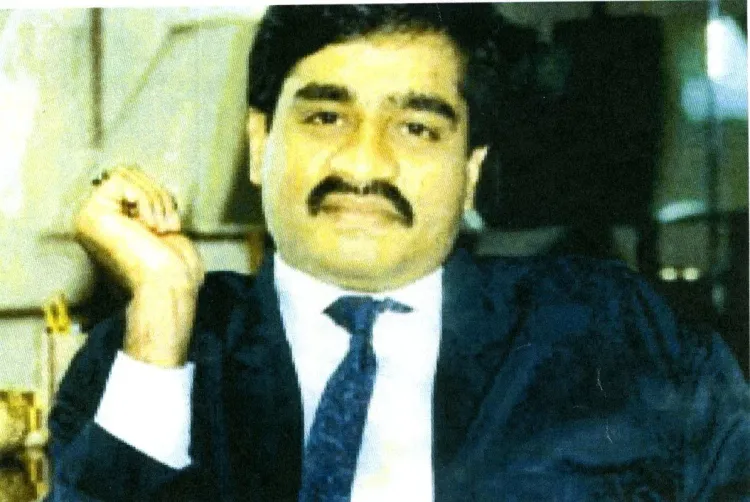
New Delhi, April 3 (NationPress) Dawood Ibrahim has once again made headlines following the debut of Dhurandhar: The Revenge. In the film, Dawood is depicted as a bedridden individual, a stark contrast to the numerous images often circulated that portray the 1993 bombings suspect as youthful and vibrant.
The ISI considers Dawood a significant asset due to his control over the narcotics and counterfeit currency networks. While these operations remain lucrative, the ISI had to intervene a couple of years ago to prevent a potential division within the syndicate.
According to an official, internal discord arose regarding who would take charge of the syndicate, largely due to Dawood's declining health. Dawood Ibrahim, who primarily remains indoors, is not in good health, restricting his ability to oversee operations. The ISI and the syndicate have successfully kept details about Dawood's health under wraps to avoid demoralizing the members.
With Dawood mostly incapacitated, the power struggle for succession has emerged between his close aide Chhota Shakeel and family members, including his brother, son, wife, and son-in-law. The ISI recognized the necessity of resolving this succession issue, as a split in the Dawood syndicate could jeopardize the funds it receives, which are crucial for its terrorist activities aimed at India.
After fleeing India and seeking refuge in Pakistan, Dawood had to negotiate with Pakistani agencies. The ISI understood that Dawood was in need of protection and sought to facilitate his narcotics operations without interruptions. Almost all drugs smuggled by Dawood transit through Pakistan, and the ISI had threatened to cut off this route.
The agreement reached stipulated that Dawood would pay 40 percent of his earnings from drug trafficking and circulating fake Indian currency to the ISI. This arrangement persists today, with the ISI utilizing these funds to finance its terrorist outfits targeting Indian interests. A rift within the syndicate could hinder this financial flow.
Furthermore, a fragmented syndicate would not operate as efficiently as it does currently. There are four primary figures within the Dawood syndicate: his brother Anees Ibrahim, trusted aide Shakeel, son-in-law Junaid Miandad, and son Mooen Nawaz. Shakeel is the most pivotal player as he manages operations in India. Losing him would mean losing access to the Indian market.
While the family insisted on having someone from their ranks lead the syndicate, the ISI successfully mediated and assigned specific roles. The syndicate now functions more like a corporate entity, with Shakeel in charge of Indian operations and Anees managing international dealings.
It was also determined that Junaid, known for his financial expertise, would oversee the syndicate's finances. Dawood’s wife, Mahjabeen, preferred her son, Mooen, to lead the organization. However, Mooen is perceived as too gentle and more focused on religious matters.
In discussions regarding the succession plan, various stakeholders in India and globally were consulted. There was a consensus that a single leader could lead to ego clashes and disrupt operations. It was resolved that the syndicate would function according to ISI directives, a model that will persist even after Dawood's demise.
Intelligence Bureau officials report that Dawood has been unwell for several years. At 70 years old, he suffers from significant diabetes and heart issues, rarely leaving his room, with little interaction with other syndicate members.
Another official stated that the ISI is eager to resolve the succession dilemma as Dawood remains their most effective money-generating asset. The funds are also diverted to support the Indian Mujahideen and substantial amounts are funneled to support Lashkar-e-Taiba and Jaish-e-Mohammed. In addition to providing protection and facilitating drug trafficking, the ISI assists with logistics and ensures the safety of smuggling routes.
Point of View
The ongoing struggles within the Dawood syndicate highlight the intricate connections between organized crime and terrorism funding, necessitating a vigilant response from Indian authorities. As the ISI maneuvers to maintain control, the implications for national security are profound.
NationPress
19 Sept 2026
Frequently Asked Questions
What is the current health status of Dawood Ibrahim?
Dawood Ibrahim is reportedly suffering from serious health issues, including diabetes and heart problems, which have left him largely bedridden.
Who are the key players in the Dawood syndicate?
The key players include Dawood's brother Anees Ibrahim, aide Chhota Shakeel, son-in-law Junaid Miandad, and son Mooen Nawaz.
What role does the ISI play in the Dawood syndicate?
The ISI manages the syndicate's operations and ensures a steady flow of funds from drug trafficking and counterfeit currency, which are used to support terrorist activities.
Why is the succession battle significant?
The succession battle is crucial as it could lead to a split in the syndicate, jeopardizing the financial flow essential for ISI's operations.
How does Dawood's health impact his operations?
Dawood's declining health limits his ability to oversee the syndicate's operations, prompting the ISI to intervene in the succession planning.