Delhi DDA deploys anti-smog guns, sweepers to curb air pollution
Synopsis
With Delhi's air quality hitting seasonal lows, the DDA has mobilised mechanised sweepers, dozens of water sprinklers, and static anti-smog guns across multiple zones — all under direct oversight of L-G T.S. Sandhu. GRAP Stage II is now active, event bookings on DDA land are being discouraged, and green-net enforcement at construction sites has been intensified.
Key Takeaways
DDA launched a multi-zone anti-pollution drive in New Delhi on 5 November 2026 under L-G T.S.
Sandhu's direct supervision.
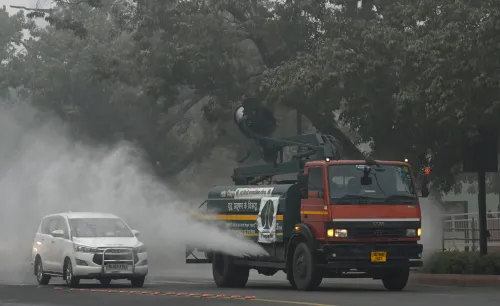
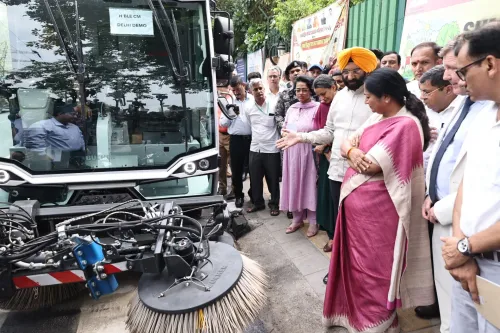
Two Mechanised Road Sweeping Machines and seven water sprinklers deployed in Narela ; one static anti-smog gun installed at Vikas Minar in the North Zone.
Seven dedicated enforcement teams , seven sprinklers , and three anti-smog guns operational in the South Zone .
Field staff directed to follow GRAP Stage II protocols; green nets mandated for all construction material at DDA sites.
Pollution complaints being handled via DDA 311 App , Green Delhi App , and SAMEER App in real time.
Procurement of an additional road sweeping machine is underway ; event bookings on DDA open spaces discouraged during the pollution season.
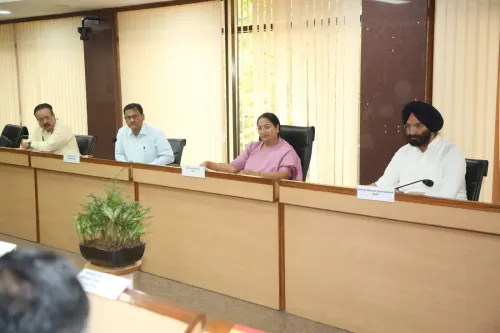
The Delhi Development Authority (DDA) has launched a sweeping anti-pollution drive across the national capital on 5 November 2026, deploying mechanised road sweepers, water sprinklers, and static anti-smog guns under the direct supervision of Lieutenant Governor T.S. Sandhu, who also serves as DDA Chairperson. The measures target dust suppression, construction waste containment, and open burning — the primary contributors to Delhi's seasonal air quality crisis.
Key Deployments Across Zones
In Narela, two Mechanised Road Sweeping Machines (MRSMs) have been pressed into service for roads with a right of way of 20 metres, supported by seven water sprinklers for active dust suppression. The North Zone has seen the installation of one static anti-smog gun at Vikas Minar, a prominent high-rise, while four additional water sprinklers have been deployed by NMD-2 in the Dheerpur area.
In the South Zone, seven dedicated anti-pollution enforcement teams have been constituted, backed by seven water sprinklers and three static anti-smog guns for sustained dust mitigation across the zone.
Construction Sites and Enforcement
The DDA has significantly stepped up the use of green nets to cover construction materials including cement, sand, and construction and demolition (C&D) waste — a critical measure given that construction dust is among Delhi's leading pollution sources. Field staff have been instructed to implement GRAP Stage II mitigation protocols, and enforcement against dust-generating activities has been intensified. Public awareness campaigns are being run simultaneously to discourage garbage dumping and prevent open burning in public spaces.
Notably, the DDA is also discouraging the booking of its open spaces for events during this critical pollution period, according to the official statement.
Digital Grievance Redressal
Complaints related to air pollution are being addressed in real time through three platforms: the DDA 311 App, the Green Delhi App, and the SAMEER App. Regular disposal of complaints through these channels forms a key pillar of the authority's response framework, ensuring that violations reported by citizens translate into ground-level action.
What Comes Next
The DDA has confirmed that the procurement process for an additional road sweeping machine is currently underway, signalling that the deployment capacity is set to expand further. With L-G Sandhu directly monitoring operations, the authority is under institutional pressure to demonstrate measurable results as Delhi's air quality index remains at hazardous levels in the season's peak weeks.
Point of View
But the core question is whether mechanised sweepers and water sprinklers can keep pace with the structural drivers of Delhi's air crisis — stubble burning, vehicular load, and unchecked construction dust. GRAP Stage II measures are reactive by design; they respond to pollution after it has built up rather than preventing it. The emphasis on L-G Sandhu's direct supervision signals political accountability, but past winters have shown that institutional visibility does not automatically translate into air quality improvement. The real test will be in the AQI numbers over the next fortnight, not in the press statements.
NationPress
5 Nov 2026
Frequently Asked Questions
What anti-pollution steps has the DDA taken in Delhi this November?
The DDA has deployed mechanised road sweepers, water sprinklers, and static anti-smog guns across zones including Narela, North Zone, and South Zone as part of a GRAP Stage II-compliant anti-pollution drive. Construction sites are being covered with green nets and seven dedicated enforcement teams have been constituted in the South Zone.
Who is overseeing the DDA's anti-pollution drive?
Lieutenant Governor T.S. Sandhu , who is also the DDA Chairperson, is directly supervising the anti-pollution measures. The operations are being conducted under his directions, according to an official statement.
What is GRAP Stage II and why has it been activated?
GRAP stands for Graded Response Action Plan, a framework that prescribes escalating pollution-control actions as Delhi's air quality deteriorates. Stage II is activated when air quality reaches the 'Very Poor' category, triggering mandatory measures including enhanced dust suppression, construction curbs, and increased enforcement.
How can Delhi residents report air pollution violations?
Residents can report pollution-related complaints through three digital platforms: the DDA 311 App, the Green Delhi App, and the SAMEER App. The DDA has committed to regular, real-time disposal of all complaints received through these channels.
Is DDA restricting events on its open spaces due to pollution?
Yes, the DDA is discouraging the booking of its open spaces for events during the ongoing pollution season to the extent possible. The move aims to reduce dust generation and other pollution-aggravating activities at a critical time of the year.