Delhi AQI hits 250 under GRAP-1: Minister Sirsa urges NCR to park polluting vehicles
Synopsis
Delhi's AQI has crossed 250 and the government is already under pressure — GRAP-1 restrictions have delivered no measurable improvement, fog is forming, and smog is on the horizon. With Dussehra fires and stubble burning stacking on top of falling temperatures, Environment Minister Sirsa's appeal to park polluting vehicles is the government's latest line of defence before tougher GRAP stages become unavoidable.
Key Takeaways
Delhi AQI stood at approximately 250 on 23 October 2026 , placing it firmly in the 'poor' category under active GRAP-1 restrictions.
Environment Minister Manjinder Singh Sirsa urged NCR residents to voluntarily keep polluting vehicles off the roads, specifically calling out two-wheelers without valid PUC certificates .
The 'No PUC, No Fuel' policy has been proposed; from 1 November , non-Delhi vehicles not meeting BS-VI norms will face entry restrictions.
Sirsa contacted the Delhi Traffic Police Commissioner to enforce action against heavy vehicles violating GRAP-1 norms.
Delhi recorded its first 'poor' air quality day of the season on 21 October — its highest AQI in around 100 days — triggered by Dussehra festivities and stubble burning in Uttar Pradesh , Punjab , and Haryana .
CPCB data showed the worst readings at Pusa (289) , Punjabi Bagh (275) , and Sirifort (274) among monitoring stations across the capital.
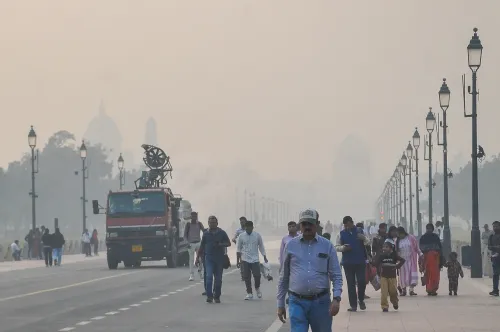
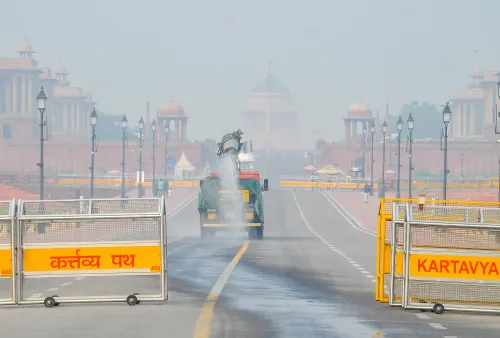
Delhi Environment Minister Manjinder Singh Sirsa on Friday, 23 October 2026, appealed to residents across the National Capital Region (NCR) to voluntarily keep polluting vehicles off the roads as the city's Air Quality Index (AQI) hovered around 250 — firmly in the 'poor' category — with Graded Response Action Plan Stage-1 (GRAP-1) restrictions already in force across Delhi-NCR. The appeal comes on the heels of Delhi recording its first 'poor' air quality day of the season on 21 October, when the AQI climbed to 245, its highest reading in roughly 100 days.
What the Minister Said
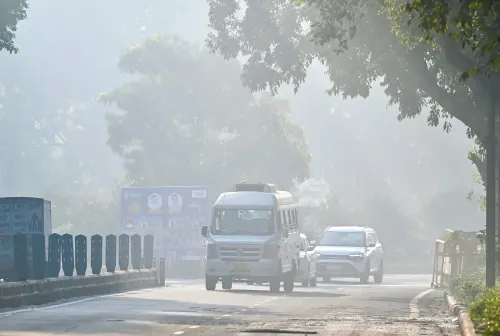
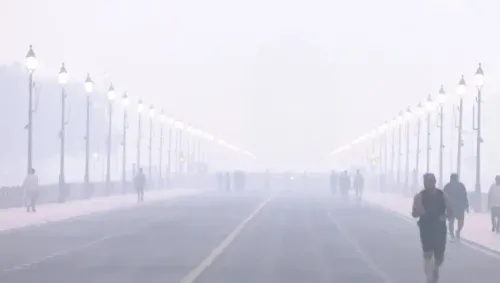
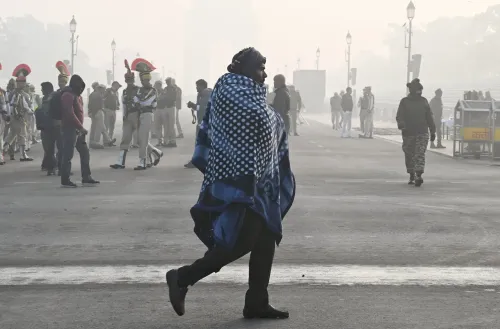
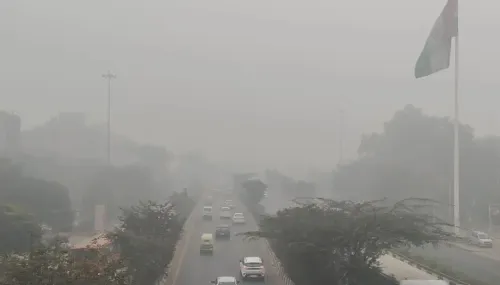
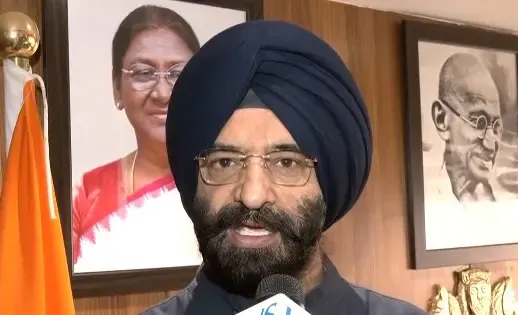
'The situation is not good. Delhi's AQI is currently around 250, and GRAP-I restrictions are in place. Despite these restrictions, there has not been any significant improvement so far. The biggest challenge is the deteriorating weather conditions. Fog was visible today as well, and it could begin turning into smog,' Sirsa said.
He specifically flagged two-wheelers as a significant contributor to pollution, noting that owners were arriving at petrol pumps without valid Pollution Under Control (PUC) certificates and causing disputes. 'I appeal to their owners to keep polluting vehicles off the roads during the GRAP restrictions. Otherwise, pollution will increase further, leading to health complications,' he added.
Policy Measures Already in the Pipeline
The Rekha Gupta government has proposed a 'No PUC, No Fuel' policy, under which vehicles lacking valid PUC certificates will be denied fuel. From 1 November, non-Delhi-registered vehicles that do not comply with BS-VI emission norms will face entry restrictions into the capital, subject to applicable exemptions.
Sirsa also confirmed he has spoken to the Commissioner of Delhi Traffic Police, urging immediate action against heavy vehicles still operating in the national capital in violation of GRAP-1 norms. 'No such unwanted vehicles should be allowed to enter Delhi,' he stated.
Air Quality Readings Across Delhi
Data released by the Central Pollution Control Board (CPCB) on Friday showed widespread 'poor' readings at monitoring stations across the capital. Notable readings included 289 at Pusa, 275 at Punjabi Bagh, 274 at Sirifort, 269 at CRRI Mathura Road, 263 at Mandir Marg, 249 at Commonwealth Sports Complex, 246 at Burari Crossing, 241 at NIH Narela, and 238 at JNU, among others.
What Triggered the Deterioration
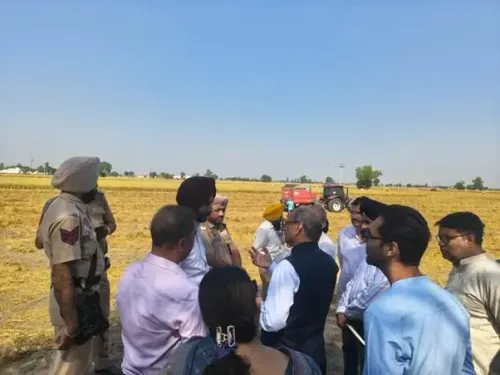
The sharp decline in air quality followed Dussehra celebrations across Delhi-NCR and coincided with reports of stubble burning in neighbouring states — Uttar Pradesh, Punjab, and Haryana. Temperatures have also been gradually falling ahead of winter, reducing the atmospheric mixing that helps disperse pollutants. This combination of festive fire activity, farm stubble smoke, and cooling air is a recurring pattern that has triggered Delhi's seasonal pollution crisis for several consecutive years.
Health Risks and What Comes Next
Prolonged exposure to AQI levels in the 'poor' range — broadly between 201 and 300 — can cause respiratory distress, aggravate asthma, and increase cardiovascular risk, particularly for children, the elderly, and those with pre-existing conditions. Authorities have not yet escalated to GRAP Stage-2, but a further deterioration in air quality or weather conditions could trigger tighter curbs, including restrictions on diesel generators and construction activity. The city's response in the coming days will test whether voluntary compliance and traffic enforcement are sufficient, or whether stricter mandatory measures become unavoidable.
Point of View
Ministers appeal for voluntary compliance, and the city waits to see whether AQI crosses the next threshold before stricter measures are triggered. The structural problems remain unaddressed: stubble burning continues across three neighbouring states, the 'No PUC, No Fuel' policy is still a proposal rather than an enforced rule, and voluntary appeals have repeatedly failed to move the needle in previous years. Sirsa's intervention is politically necessary but administratively insufficient unless backed by swift, visible enforcement — starting with the heavy vehicles he has flagged to the Traffic Police Commissioner.
NationPress
23 Oct 2026
Frequently Asked Questions
What is the current AQI level in Delhi and why is it concerning?
Delhi's AQI was around 250 on 23 October 2026, placing it in the 'poor' category — a range that causes respiratory distress and aggravates conditions such as asthma, particularly for children, the elderly, and those with pre-existing illnesses. It is the first time this season the city has crossed this threshold, marking the worst air quality in roughly 100 days.
What is GRAP-1 and what restrictions does it impose in Delhi-NCR?
GRAP (Graded Response Action Plan) Stage-1 is the first level of the Centre's anti-pollution framework for Delhi-NCR, activated when the AQI enters the 'poor' range. It typically restricts heavily polluting vehicles, construction dust, and waste burning, while directing enforcement agencies to ramp up patrols and checks — though it stops short of the industrial and transport curbs imposed at higher GRAP stages.
What is the 'No PUC, No Fuel' policy proposed for Delhi?
The 'No PUC, No Fuel' policy, proposed by the Rekha Gupta government, would deny fuel to any vehicle that cannot produce a valid Pollution Under Control certificate at the petrol pump. The policy has been proposed ahead of the winter pollution season, though it had not been formally enforced as of 23 October 2026.
From when will non-Delhi vehicles face entry restrictions into the capital?
From 1 November 2026, non-Delhi-registered vehicles that do not meet BS-VI emission standards will face entry restrictions into Delhi, subject to applicable exemptions. The move targets out-of-state vehicles that bypass the capital's tighter emission norms.
What caused Delhi's air quality to worsen in October 2026?
The deterioration followed Dussehra celebrations — which involve widespread fire activity — and coincided with reports of stubble burning in Uttar Pradesh, Punjab, and Haryana. Falling temperatures ahead of winter reduce atmospheric mixing, trapping pollutants closer to the ground and compounding the effect of these fire-related emissions.