Delhi CM Rekha Gupta: Modi fulfilled Syama Prasad Mukherjee's 'One Nation' vision
Synopsis
On the 73rd anniversary of Syama Prasad Mukherjee's death, Delhi's BJP leadership gathered near Delhi Gate to reaffirm a political lineage — framing Modi's abrogation of Article 370 as the direct fulfilment of Mukherjee's 'One Nation, One Constitution' slogan. The event signals how the BJP continues to anchor contemporary policy wins to its founding ideological story.
Key Takeaways
Delhi CM Rekha Gupta addressed the 73rd martyrdom anniversary of Syama Prasad Mukherjee on 23 June at his memorial near Delhi Gate .
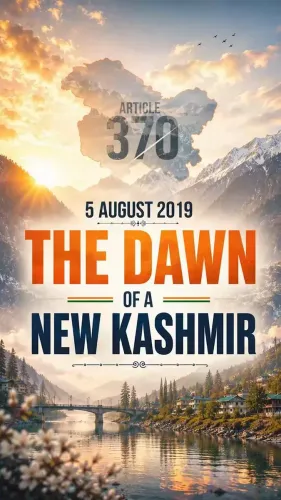
She credited PM Narendra Modi with fulfilling Mukherjee's slogan of 'One Nation, One Constitution' through the abrogation of Article 370 in Jammu and Kashmir.
BJP National Organiser V.
Satish recalled Mukherjee's movement against the separate-permit requirement to enter Jammu and Kashmir .
Delhi BJP President Harsh Malhotra drew a parallel between Mukherjee's call for self-reliance and Modi's Aatmanirbhar Bharat initiative.
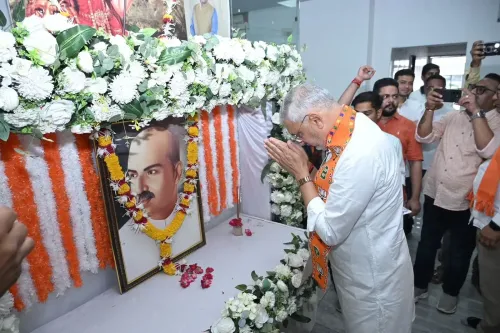
Senior BJP leaders including Union Minister of State Durgadas Uikey , multiple MPs, Delhi ministers, and Delhi Mayor Pravesh Wahi attended and paid floral tributes.
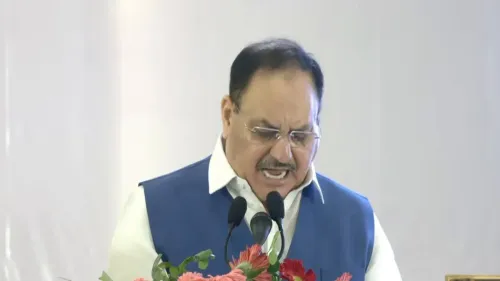
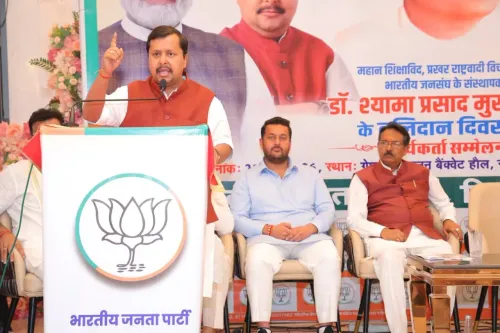
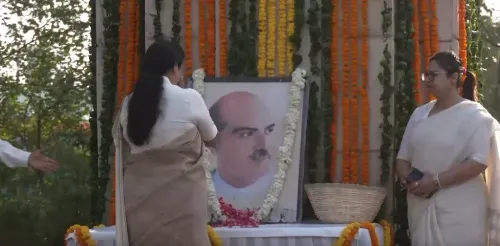
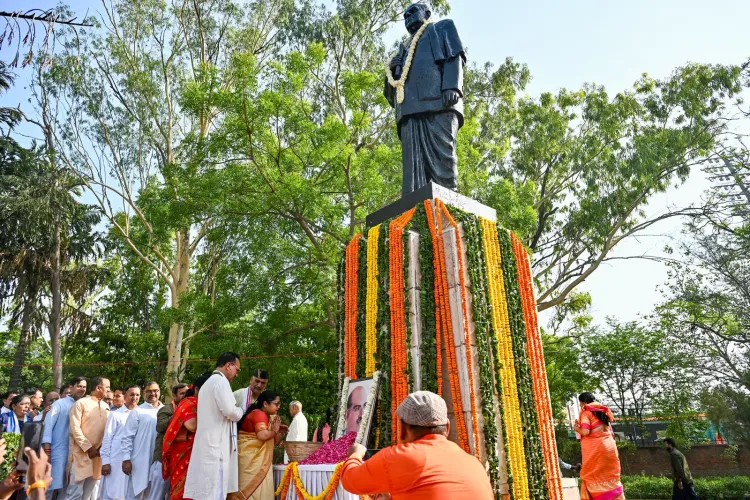
Delhi Chief Minister Rekha Gupta on Tuesday, 23 June said that Prime Minister Narendra Modi fulfilled the dream of Syama Prasad Mukherjee by abrogating Article 370 in Jammu and Kashmir, honouring the ideological legacy of the Jana Sangh founder on his 73rd martyrdom anniversary. Gupta made the remarks at a commemorative programme held at Mukherjee's memorial site near Delhi Gate.
Key Remarks at the Martyrdom Day Programme
Addressing a large gathering of party workers, CM Gupta said Mukherjee was the originator of the slogan 'One Nation, One Constitution' and that Modi's decision to remove Article 370 was a direct realisation of that vision. She described Mukherjee as a 'noble soul' who sowed the seeds of the Jana Sangh — a seed that, in her words, 'in the form of the BJP, is providing shade to the entire country today.'
Gupta also noted that the Bharatiya Janata Party's (BJP) first-ever Assembly election victory in West Bengal after independence was a significant tribute to Mukherjee's legacy. She called on party members to pledge to carry forward his message and work in the nation's interest.
What Senior Leaders Said
BJP National Organiser V. Satish said Mukherjee's life was dedicated to India's unity, integrity, and cultural nationalism. Satish recalled that Mukherjee launched a movement in Jammu and Kashmir against the requirement of a separate permit to enter the state, rallying under the resolve of 'One Nation, One Constitution, One Flag, One Head' — and gave his life in that cause.
Delhi BJP President and Union Minister of State Harsh Malhotra said Mukherjee always operated with a 'Nation First' outlook. Malhotra noted that Mukherjee had called for a self-reliant India long before it became a policy priority, and drew a parallel with Modi's ongoing push for Aatmanirbhar Bharat.
Who Attended
The programme, conducted by State General Secretary Vishnu Mittal, drew a wide cross-section of BJP leadership. Union Minister of State Durgadas Uikey, Members of Parliament Manoj Tiwari, Yogendra Chandolia, Bansuri Swaraj, Swati Maliwal, and Gajendra Patel were among those present. Delhi Ministers Pankaj Singh and Ravindra Indraj Singh, Delhi Jal Board Vice Chairman Satish Upadhyay, Delhi Mayor Pravesh Wahi, and former Delhi BJP President Vijay Goel also paid floral tributes at Mukherjee's statue.
Background: Who Was Syama Prasad Mukherjee
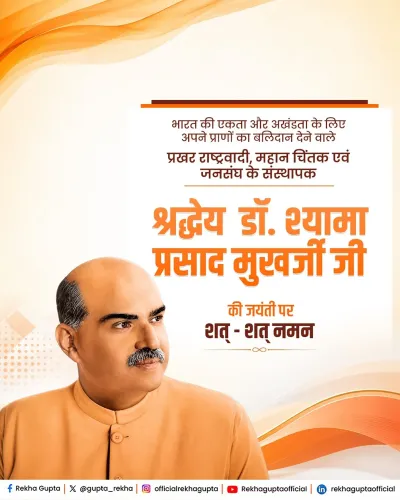
Syama Prasad Mukherjee founded the Bharatiya Jana Sangh in 1951, the political precursor to the BJP. He died on 23 June 1953 while in detention in Jammu and Kashmir, where he had entered without a permit to protest the state's special status. His demand that a single constitutional framework govern all of India became a defining ideological pillar of the Hindu nationalist movement. The BJP has consistently invoked his legacy to frame the 2019 abrogation of Article 370 as the fulfilment of a decades-old promise.
What Comes Next
The annual martyrdom day observance serves as a key moment of ideological reaffirmation for the BJP ahead of electoral cycles. With West Bengal assembly elections on the horizon, Mukherjee's Bengal roots and the party's recent electoral gains in the state are likely to remain central to the BJP's political messaging in the months ahead.
Point of View
One Constitution' slogan, the party cements a narrative of ideological continuity stretching from 1951 to 2019 — useful both for cadre motivation and electoral messaging in West Bengal, where Mukherjee retains cultural resonance. What the framing sidesteps is the ongoing debate over the administrative and developmental outcomes in Jammu and Kashmir since the abrogation. Honouring a founder is legitimate; treating a contested policy outcome as a settled triumph is a different matter.
NationPress
22 Sept 2026
Frequently Asked Questions
Who was Syama Prasad Mukherjee and why is he significant to the BJP?
Syama Prasad Mukherjee founded the Bharatiya Jana Sangh in 1951, the political precursor to the BJP. He died on 23 June 1953 while in detention in Jammu and Kashmir, having entered the state without a permit to protest its special status. The BJP regards him as its ideological founding father.
What is the 'One Nation, One Constitution' slogan associated with Mukherjee?
The slogan refers to Mukherjee's demand that a single constitutional framework — without special provisions like Article 370 — govern all of India, including Jammu and Kashmir. He launched a movement in J&K against the separate-permit requirement and was detained there, where he died in 1953.
How does Delhi CM Rekha Gupta connect PM Modi to Mukherjee's legacy?
Gupta argued that Modi fulfilled Mukherjee's long-standing demand by abrogating Article 370 in Jammu and Kashmir in 2019, removing the constitutional provision that accorded the region special status. She described this as the realisation of Mukherjee's 'One Nation, One Constitution' vision.
Where was the martyrdom day programme held and who attended?
The programme was held at Mukherjee's memorial site near Delhi Gate in New Delhi. Senior BJP leaders including Union Minister of State Durgadas Uikey, MPs Manoj Tiwari, Bansuri Swaraj, Swati Maliwal, Delhi Mayor Pravesh Wahi, and former Delhi BJP President Vijay Goel were among the attendees.
What is the significance of BJP's West Bengal mention at the event?
CM Rekha Gupta cited the BJP's first-ever Assembly election victory in West Bengal after independence as a tribute to Mukherjee, who had deep roots in Bengal. The reference underscores the party's ongoing effort to expand in the state ahead of future electoral contests.