Clean Yamuna: Delhi L-G Sandhu urges cities along river to act together
Synopsis
Delhi L-G T.S. Sandhu used the 7th Nadi Utsav platform to make a pointed argument: fixing the Yamuna requires fixing what happens in every city along its banks, not just in Delhi. By tying the environmental mission to a cultural one — and invoking the Namami Gange programme alongside IGNCA's outreach role — Sandhu's remarks signal a push for multi-city, multi-agency accountability on one of India's most politically charged rivers.
Key Takeaways
Sandhu spoke at the 7th Nadi Utsav organised by IGNCA on 25 September 2026 .
He stressed that Yamuna rejuvenation requires action from all cities and communities along the river, not Delhi alone.
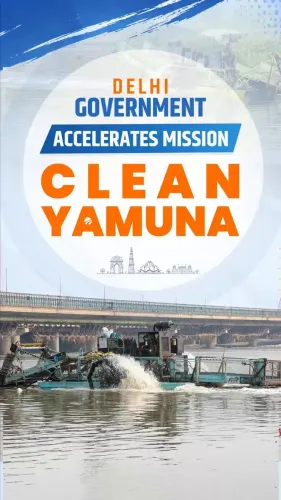
The Delhi Jal Board is strengthening sewage-treatment infrastructure to stop untreated wastewater reaching the river.
The Centre's Namami Gange programme covers pollution abatement, biodiversity, afforestation, and public participation across the basin.
Sandhu called on institutions such as IGNCA to reconnect citizens with rivers through research, films, and public programmes.
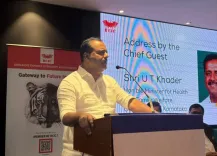
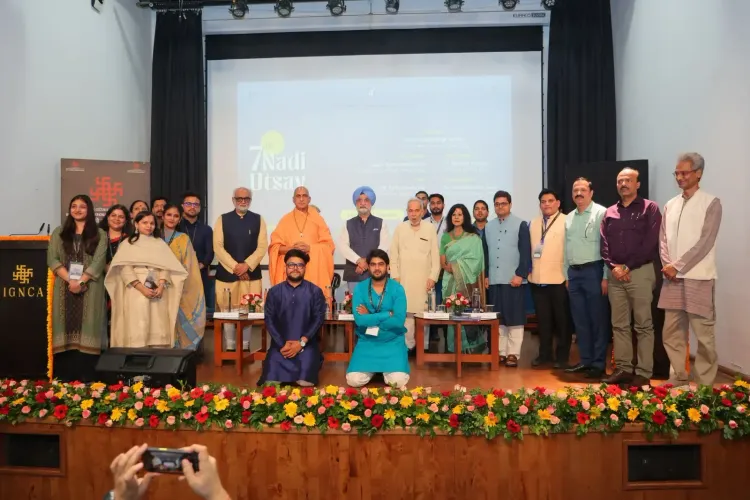
Delhi Lieutenant Governor T.S. Sandhu on Friday, 25 September 2026, called for coordinated action from all cities and communities along the Yamuna, stressing that river rejuvenation cannot succeed by focusing on the waterway alone. Sandhu made the remarks at the 7th Nadi Utsav, organised by the Indira Gandhi National Centre for the Arts (IGNCA) in New Delhi, framing the Yamuna's revival as both an environmental and a cultural imperative.
Key Remarks at the Nadi Utsav
Addressing scholars, artists, and policymakers at the three-day festival, Sandhu drew on Prime Minister Narendra Modi's reflection that the continuous flow of rivers symbolises how human capabilities can be channelled for collective welfare. He said a river gives continuously, and it is society's responsibility to ensure that human actions do not break this cycle of giving.
The Lieutenant Governor underlined that restoring the Yamuna means restoring a living connection between Delhi's past, present, and future — one that demands sustained cooperation between government agencies, experts, researchers, cultural institutions, civil society, and citizens.
Ongoing Infrastructure and Policy Efforts
Sandhu outlined current work at both the city and national levels. The Delhi government and the Delhi Jal Board are reportedly strengthening sewage-treatment infrastructure to prevent untreated wastewater from entering the river. In parallel, the Centre's Namami Gange programme covers pollution abatement, ecological conservation, biodiversity, afforestation, sanitation, and public participation across the river's basin.
He noted that these efforts rest on a key principle: the health of a river cannot be restored by treating the river alone. Addressing what flows into it, and how surrounding cities, communities, and ecosystems are managed, is equally essential — a point he said requires upstream and downstream cities to align their policies and practices.
Role of Cultural Institutions
Sandhu emphasised that institutions such as IGNCA can play a vital role in reconnecting people with rivers through research, exhibitions, films, photography, seminars, and public programmes. He said the Yamuna's rejuvenation must be understood as a cultural mission alongside an environmental one, arguing that civic attachment to the river is as important as treatment infrastructure.
He expressed hope that the three-day festival would deepen public awareness, encourage broader participation, and generate fresh ideas for the continuing restoration of the river.
Who Was Present
The event was attended by Swami Avdheshanand Giri, spiritual leader and author; Ram Bahadur Rai, President of IGNCA; renowned Kathak danseuse Shovana Narayan; Sachchidanand Joshi, Member Secretary of IGNCA; and several scholars, authors, and artists.
The Nadi Utsav continues over the next two days, with panels and cultural programmes focused on India's river heritage and the challenge of urban water governance.
Point of View
The two states whose untreated drains and industrial effluents contribute substantially to the river's pollution load before it even reaches the capital. The cultural-mission framing through IGNCA is welcome, but the harder accountability question remains: without a binding inter-state mechanism, calls for coordinated action risk staying rhetorical. Delhi has heard ambitious Yamuna timelines before; what is still missing is an enforceable, multi-jurisdiction compliance framework with clear milestones and penalties.
NationPress
25 Sept 2026
Frequently Asked Questions
What did Delhi L-G T.S. Sandhu say about cleaning the Yamuna?
Sandhu said the Yamuna's health cannot be restored by treating the river alone — all cities and communities along its banks must manage what enters the water. He made the remarks at the 7th Nadi Utsav in New Delhi on 25 September 2026.
What is the 7th Nadi Utsav and who organised it?
The Nadi Utsav is a river-focused cultural festival organised by the Indira Gandhi National Centre for the Arts (IGNCA). The seventh edition is a three-day event held in New Delhi, bringing together scholars, artists, spiritual leaders, and policymakers to discuss river conservation and heritage.
What infrastructure work is currently underway on the Yamuna?
The Delhi government and the Delhi Jal Board are strengthening sewage-treatment infrastructure to prevent untreated wastewater from entering the Yamuna. At the national level, the Namami Gange programme addresses pollution abatement, ecological conservation, biodiversity, afforestation, and sanitation across the river basin.
Why does the L-G say surrounding cities matter for Yamuna clean-up?
Sandhu argued that pollution entering the Yamuna originates not just within Delhi but from cities, communities, and ecosystems upstream and along its course. Without coordinated management of what enters the river across all these areas, Delhi-specific interventions will have limited impact.
What role does IGNCA play in the Yamuna rejuvenation effort?
Sandhu said institutions like IGNCA can help reconnect the public with rivers through research, exhibitions, films, photography, seminars, and public programmes — treating river restoration as a cultural mission alongside an environmental one.