Delhi L-G T.S. Sandhu pushes PPP model for universities, eyes Viksit Dilli 2047
Synopsis
Delhi L-G T.S. Sandhu wants universities to stop publishing research for its own sake — and start solving the city's real problems. At GGSIP University, he laid out a four-pillar PPP framework and tied it directly to the Viksit Dilli 2047 vision, while separately pushing NSUT to deliver tech fixes for sanitation, traffic, and flood management to agencies like MCD and Delhi Police.
Key Takeaways
Sandhu addressed a Capacity Building Programme on PPPs at GGSIP University, Dwarka on 13 October 2026 .
He outlined four pillars for PPP success: Right Model, Robust Preparation, Seamless Coordination, and Accountability.
Sandhu called for a PPP Playbook to help officers deliver accountable public services under the Viksit Dilli 2047 framework.
At last month's NSUT Court Meeting , he directed the university to provide tech solutions to MCD, NDMC, Delhi Police, PWD , and the Transport Department .
Sandhu also emphasised AI-enabled healthcare in government hospitals as a priority focus for technical universities.
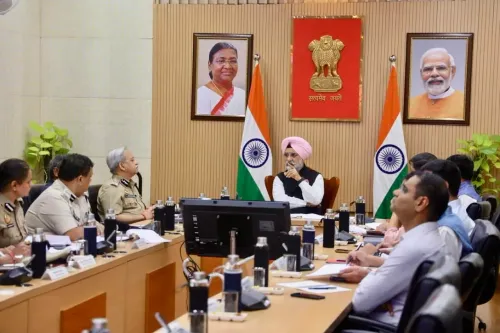
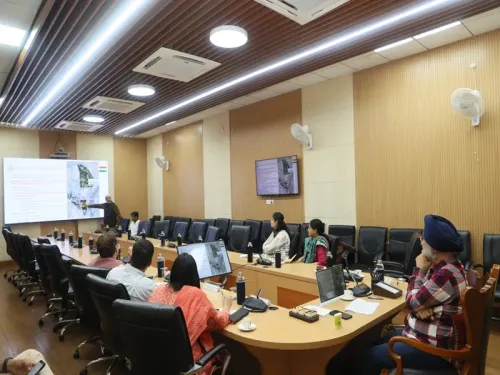
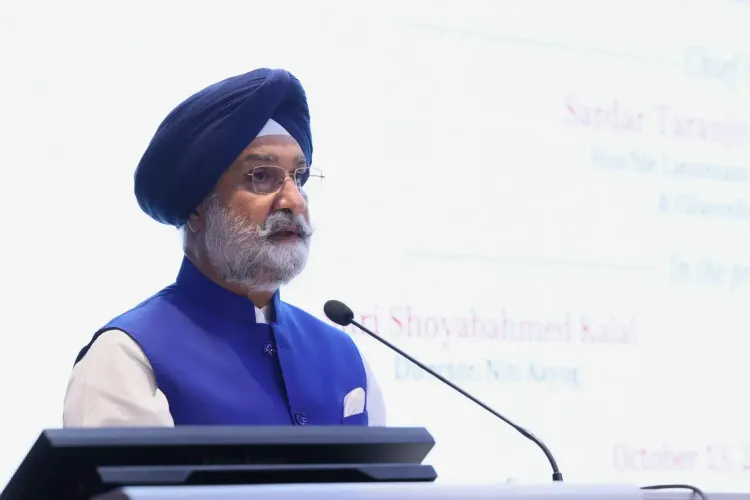
Delhi Lieutenant Governor T.S. Sandhu on Tuesday, 13 October 2026, called for deeper coordination between higher education institutions and the private sector, urging universities to adopt the Public-Private Partnership (PPP) model as a strategic lever for improving academic and civic outcomes. The remarks came during his address at the Capacity Building Programme on Leveraging PPPs at Guru Gobind Singh Indraprastha University (GGSIP University), Dwarka, New Delhi.
What Sandhu Said at GGSIP University
Addressing students and faculty, the Lieutenant Governor made clear that PPPs go beyond mere financing arrangements. In a post on X, Sandhu wrote: 'PPPs are not just about financing — they are about aligning public purpose with private capability to deliver better outcomes.' He added that a practical PPP Playbook would help officers 'translate partnerships into efficient, accountable public services for #ViksitDilli2047.'
Sandhu outlined four pillars for effective PPP implementation: the Right Model to deploy partnerships where they add genuine value; Robust Preparation to ensure due diligence and balanced risk-sharing; Seamless Coordination to drive convergence and time-bound execution; and Accountability to deliver measurable outcomes and lifecycle transparency.
Research Must Translate to Real-World Solutions
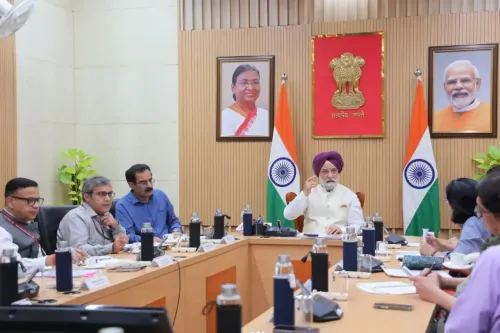
This is not the first time Sandhu has pressed Delhi's universities on outcomes. Last month, chairing the 6th Court Meeting of Netaji Subhas University of Technology (NSUT) at Lok Niwas, he pushed for research to move beyond academic papers and into actionable city solutions. He specifically called on NSUT — as a technical university — to address Delhi's pressing civic challenges including sanitation, traffic management, road conditions, and rain-flood management, drawing on best global practices.
Sandhu directed NSUT to coordinate with expert agencies and facilitate government bodies such as the Municipal Corporation of Delhi (MCD), NDMC, Delhi Police, the Health Department, PWD, and the Transport Department with technology solutions tailored to their specific operational needs.
AI and Healthcare: A Forward-Looking Mandate
Sandhu also flagged artificial intelligence as a priority area, stating that AI education must remain future-ready through global collaboration, with particular focus on 'transformative applications, especially AI-enabled healthcare in government hospitals.' The remark signals an ambition to wire Delhi's technical universities into the city's public health infrastructure.
Context: The Viksit Dilli 2047 Vision
Sandhu's push for PPPs and research-to-impact linkages fits within the broader Viksit Dilli 2047 framework — Delhi's long-term development blueprint aligned with the national Viksit Bharat vision for India's centenary year. Notably, the L-G's consistent focus on accountability and measurable outcomes reflects a governance philosophy that places institutional performance on par with resource allocation. As Delhi's universities come under increasing scrutiny for their relevance to the city's challenges, the pressure to move from output metrics to outcome metrics is growing sharper.
Point of View
And a Playbook alone will not close that gap. The four-pillar framework is well-structured, but without enforceable KPIs and an independent review mechanism, it risks becoming another aspirational document. The simultaneous mandate for NSUT to serve MCD, Delhi Police, and five other agencies also raises bandwidth concerns for a university still consolidating its research base. The Viksit Dilli 2047 framing gives political weight to these directives, but timelines and accountability for each agency partnership remain unspecified.
NationPress
13 Oct 2026
Frequently Asked Questions
What did Delhi L-G T.S. Sandhu say about the PPP model for universities?
L-G Sandhu said PPPs are not just about financing but about aligning public purpose with private capability to deliver better outcomes. Speaking at GGSIP University on 13 October 2026, he outlined four pillars — Right Model, Robust Preparation, Seamless Coordination, and Accountability — and called for a PPP Playbook to help officers deliver efficient public services.
What is the Viksit Dilli 2047 framework referenced by Sandhu?
Viksit Dilli 2047 is Delhi's long-term development vision aligned with the national Viksit Bharat goal for India's centenary year. Sandhu has repeatedly invoked it as the governance north star for Delhi's institutions, linking university output and PPP partnerships to the city's transformation targets.
What did Sandhu ask NSUT to do?
Chairing the 6th Court Meeting of Netaji Subhas University of Technology last month, Sandhu directed NSUT to develop technological solutions for Delhi's civic challenges — including sanitation, traffic management, road conditions, and flood management — and to coordinate with agencies such as MCD, NDMC, Delhi Police, PWD, and the Transport Department.
Why is the L-G pushing AI education in technical universities?
Sandhu stated that AI education must stay future-ready through global collaboration, with a particular focus on AI-enabled healthcare in government hospitals. The directive reflects an intent to connect Delhi's technical universities directly to public health infrastructure and real-world urban challenges.
How does the PPP model apply to higher education outcomes?
Under Sandhu's framework, PPPs in higher education go beyond funding — they link private sector capability to public academic institutions to improve research relevance, civic problem-solving, and accountable service delivery. The proposed PPP Playbook is intended to operationalise these partnerships across Delhi's universities.