Delhi L-G Sandhu rides Metro to push public transport adoption
Synopsis
Delhi's Lieutenant Governor didn't just talk about saving fuel — he took the Metro to work. Sandhu's North-South corridor commute is the latest in a string of visible austerity signals from India's leadership, from Modi's trimmed SPG convoy to Rekha Gupta's work-from-home order, all framed around the West Asia conflict's pressure on energy security.
Key Takeaways
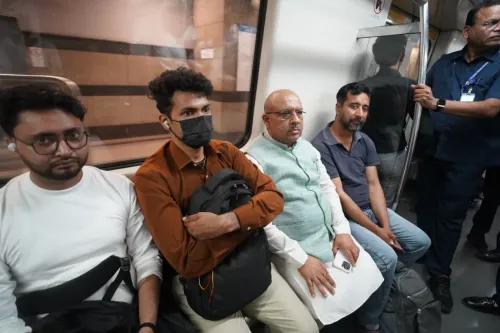
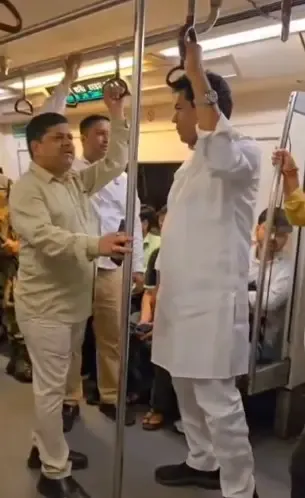
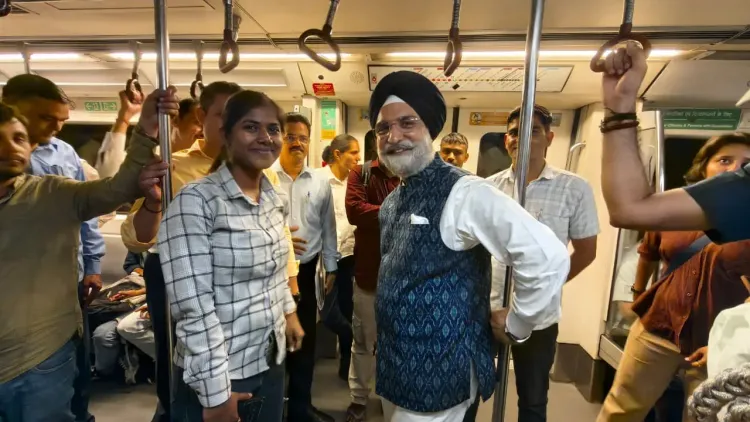
Sandhu commuted on the Metro's North-South corridor on 14 May to attend an official engagement, urging citizens to use public transport.
Sandhu posted on X , calling the Metro 'efficient, accessible and connecting millions every day' and encouraging carpooling and electric vehicles.
PM Modi has reduced his convoy size and directed the SPG to curtail its fleet, with trimmed convoys observed during visits to Assam and Gujarat .
Delhi CM Rekha Gupta announced a mandatory two-day work-from-home policy for government offices to conserve fuel.
The moves follow Opposition criticism that the government was insulating itself from the global oil shock caused by the West Asia conflict .
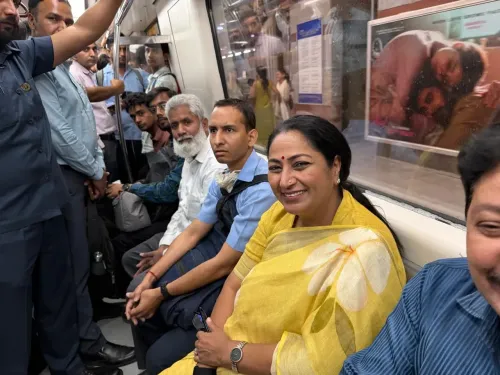
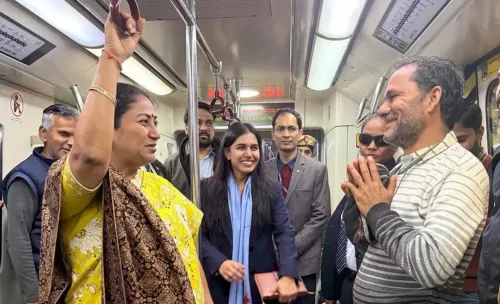
Delhi Lieutenant Governor T.S. Sandhu on Thursday, 14 May led by example, commuting on the Delhi Metro's North-South corridor to attend an official engagement, urging residents of the capital to embrace public transport as a daily habit. The gesture drew spontaneous public attention, with fellow commuters requesting selfies during the ride.
What Sandhu Said
In a post on X, Sandhu described the experience as 'experiencing the pulse of the city, yet again, through its Metro — efficient, accessible and connecting millions every day.' He added that he had found the Metro 'the most efficient way to navigate our city while contributing to a sustainable environment' during his recent travels.
Sandhu further called on citizens to go beyond Metro use: 'I also encourage everyone to adopt public transport, carpooling, and electric vehicles wherever possible. These collective efforts, though simple, can play a significant role in strengthening our energy security and building a greener, cleaner Delhi for future generations.'
The Broader Fuel-Conservation Push
The L-G's ride is part of a wider, coordinated effort across India's governance structure to reduce fuel dependence amid the ongoing West Asia conflict, which Prime Minister Narendra Modi has described as a 'challenging period' for the country's energy security.
Modi himself has significantly trimmed his convoy size, directing the Special Protection Group (SPG) to curtail its fleet to a minimum. According to sources, the PM's recent visits to Assam — for Chief Minister Himanta Biswa Sarma's swearing-in ceremony — and to Gujarat for the Somnath Amrut Mahotsav featured noticeably reduced convoys compared to standard protocol. The SPG has begun implementing these instructions while maintaining essential security components.
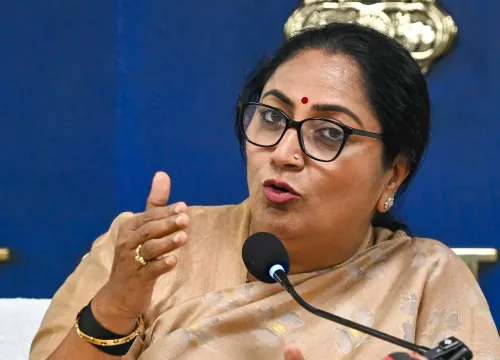
Delhi Chief Minister Rekha Gupta has separately announced a mandatory two-day work-from-home order for government offices as a fuel-saving measure.
Political Context
The moves come after Opposition criticism that the Modi government was imposing austerity on ordinary citizens while shielding itself from the impact of the global oil shock. The visible steps by the Prime Minister, and now by officials such as Sandhu, appear designed to counter that narrative by demonstrating shared sacrifice across levels of government.
Notably, the message is reportedly percolating further down the governance chain, with more ministers and elected leaders adopting similar practices.
What This Signals for Delhi Commuters
Delhi Metro's North-South corridor is one of the network's busiest, connecting key residential and commercial nodes. Sandhu's choice to use it for an official engagement — rather than a dedicated convoy — sends a direct signal to the city's commuting public. With fuel prices under pressure and pollution a persistent concern, officials are framing public transport not merely as a convenience but as a civic and environmental responsibility.
Whether the symbolic gestures translate into measurable modal shift will depend on sustained policy follow-through, including last-mile connectivity improvements and expanded Metro coverage across Delhi's peripheral areas.
Point of View
Shrinking convoys — matter in setting civic tone, but they are not policy. India's fuel vulnerability is structural: the country imports over 85% of its crude, and a prolonged West Asia disruption would stress household budgets far more than any minister's commute choice. The real question is whether these visible acts of austerity are accompanied by accelerated EV transition targets, Metro network expansion, and fuel subsidy reform — none of which have been announced in this cycle. Without that, the optics risk outrunning the outcomes.
NationPress
24 Oct 2026
Frequently Asked Questions
Why did Delhi L-G T.S. Sandhu travel by Metro?
Sandhu rode the Delhi Metro's North-South corridor on 14 May to attend an official engagement, using the commute to publicly encourage citizens to adopt public transport. He cited the Metro's efficiency and its contribution to a sustainable environment.
How is PM Modi contributing to India's fuel-saving push?
PM Modi has significantly reduced his convoy size and directed the SPG to curtail its fleet to a minimum. His recent visits to Assam and Gujarat reportedly featured noticeably smaller convoys, according to sources.
What has Delhi CM Rekha Gupta announced to save fuel?
Chief Minister Rekha Gupta announced a mandatory two-day work-from-home order for Delhi government offices as a direct fuel-conservation measure amid the pressures of the West Asia conflict.
Why is India pushing fuel conservation now?
PM Modi has described the West Asia conflict as a 'challenging period' for India's energy security. Since India is heavily dependent on imported crude oil, a prolonged conflict in the region raises the risk of supply disruption and higher fuel prices.
What did L-G Sandhu post on X about the Metro ride?
Sandhu posted that he was 'experiencing the pulse of the city, yet again, through its Metro — efficient, accessible and connecting millions every day.' He also urged citizens to adopt public transport, carpooling, and electric vehicles to strengthen energy security and build a greener Delhi.