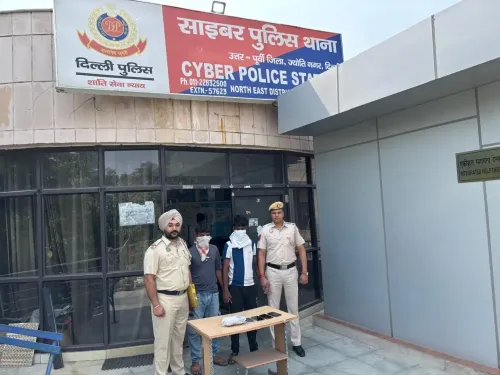
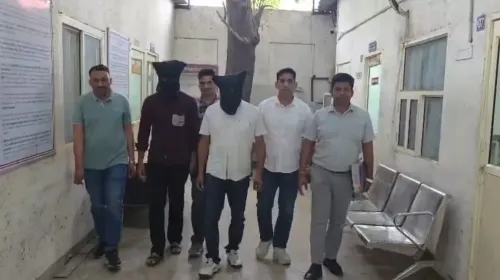
Delhi Police bust bank impersonation syndicate, seize assets worth ₹2.5 crore

Synopsis
Two men — one a proclaimed absconder for over seven years — have been arrested by Delhi Police for impersonating a corporate director, forging letterheads, and pressuring Bank of India staff into transferring ₹22.56 lakh via fake RTGS instructions. The bust has unravelled six connected fraud cases across Delhi, Gurugram, and Palwal, with total seizures of ₹2.5 crore in gold, cash, and a vehicle.
Key Takeaways
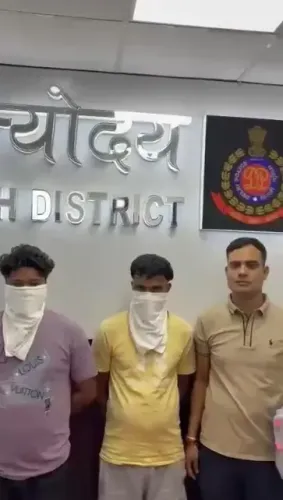
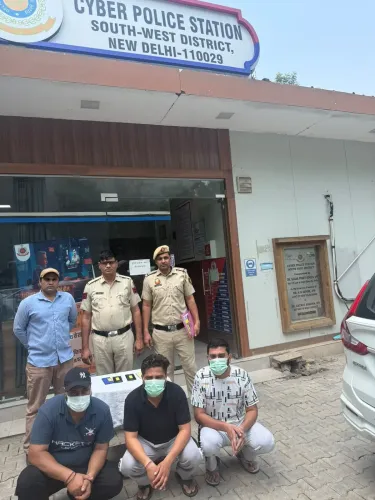
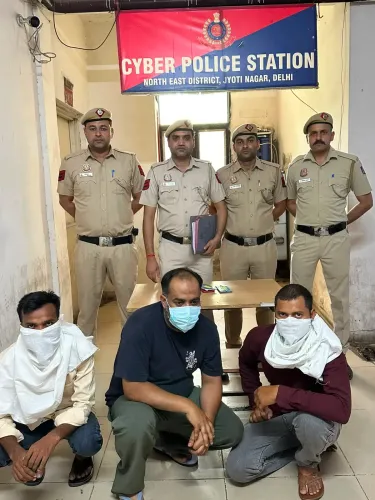
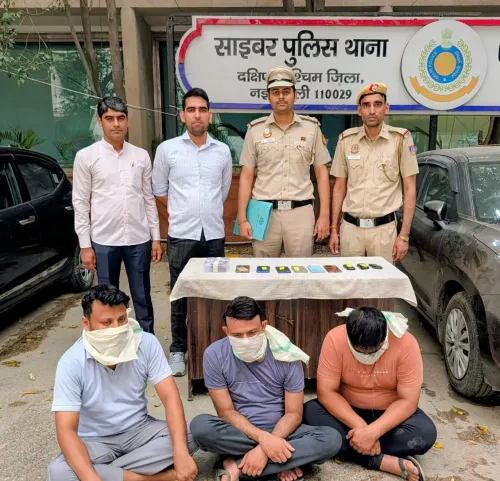
Delhi Police's Central District arrested two men on 29 October 2026 for defrauding Bank of India, Rajendra Place of ₹22.56 lakh via a fraudulent RTGS transfer.
Accused identified as Vinay Kumar Yadav, 36 , of Loni, Ghaziabad , and Anil Kumar Sehgal, 65 , of Noida .
Sehgal was a proclaimed offender who had been absconding for over seven years in a forged currency case.
Assets worth approximately ₹2.50 crore — including 101 gold coins , gold jewellery, cash, and an SUV — were seized.
The arrests helped solve six connected fraud cases in Gurugram, Palwal , and Delhi , involving amounts from ₹16.65 lakh to ₹2.98 crore .
The syndicate used forged letterheads, deceptive email IDs, social engineering, and mule accounts, converting proceeds into gold purchased in West Bengal .
Delhi Police's Central District on Thursday, 29 October 2026, dismantled a sophisticated bank account impersonation syndicate that defrauded a Bank of India branch in Rajendra Place, New Delhi of ₹22.56 lakh through a fraudulent Real-Time Gross Settlement (RTGS) instruction. Two accused have been arrested, and assets worth approximately ₹2.50 crore — including gold jewellery, 101 gold coins, cash, and an SUV — have been seized across the present and connected cases.
How the Fraud Was Executed
The case originated from a complaint filed by the Branch Manager of Bank of India, Rajendra Place. On 5 August, an unidentified caller impersonated Deepak Malhotra, a director associated with multiple corporate entities that maintained accounts at the branch. The caller first floated the idea of creating a Fixed Deposit Receipt (FDR) worth ₹1 crore — a calculated move to build trust with branch officials.
He subsequently called again, claiming the company urgently needed to make a payment but had exhausted its cheque book, and requested that the transaction be processed via email. The accused then sent a forged payment request from an email address closely mimicking the company's registered domain, complete with a counterfeit company letterhead, instructing the bank to transfer ₹22,56,922 to a third-party account.
When bank officials sought mandatory indemnity documents, the caller applied pressure, asserting that similar transactions had been processed previously and stressing the urgency of the payment. The bank subsequently processed the fraudulent RTGS transfer.
Investigation and Arrests
An e-FIR was registered at the Cyber Police Station of Central District under relevant sections of the Bharatiya Nyaya Sanhita (BNS). Investigators traced the defrauded amount to a mule bank account held with Bandhan Bank in West Bengal. A combination of telecom records, digital evidence, and communication data led police to the suspects.
A team led by Sub-Inspector Kamlesh Kumar arrested Vinay Kumar Yadav, 36, a resident of Loni, Ghaziabad, Uttar Pradesh, and Anil Kumar Sehgal, 65, a resident of Noida. Notably, Sehgal was found to be a proclaimed offender who had been absconding for more than seven years in a forged currency case.
Modus Operandi and Prior Criminal History
According to police, the accused used a combination of forged company letterheads, deceptive email IDs, social engineering, and mule accounts to target high-value corporate bank transactions. The defrauded funds were subsequently converted into assets, including gold purchased from a jeweller in West Bengal. Both accused reportedly became acquainted while in jail and had prior involvement in cheque-related frauds using so-called 'magic pens' across Ghaziabad, Saharanpur, Ayodhya, and Faridabad.
Connected Cases Solved
The arrests have helped police work out six similar cases registered in Gurugram, Palwal, and Delhi, involving fraud amounts ranging from ₹16.65 lakh to ₹2.98 crore, along with an attempted fraud of ₹88 lakh. This is not an isolated operation — it reflects a broader pattern of organised corporate banking fraud that exploits procedural trust in RTGS systems and email-based authorisations.
With digital financial fraud on the rise, the case underscores the vulnerability of branch-level banking processes to social engineering, and police are expected to expand the probe to identify further members of the network.
Point of View
Sent a forged email, and exploited a branch official's reluctance to delay a 'routine' payment. That RTGS transfers of this size can be authorised on the basis of an email and a phone call, without biometric or digital signature verification, is a systemic gap that no individual arrest will fix. The six connected cases across Delhi, Gurugram, and Palwal suggest this is an organised network, not a one-off — and the conversion of proceeds into gold in West Bengal points to a laundering pipeline that likely extends beyond the two men currently in custody.
NationPress
29 Oct 2026
Frequently Asked Questions
What was the bank impersonation fraud busted by Delhi Police?
Delhi Police dismantled a syndicate that impersonated a corporate bank account holder to trick Bank of India officials into transferring ₹22.56 lakh via a fraudulent RTGS instruction on 5 August. The accused used a forged company letterhead and a deceptive email address to authorise the transfer.
Who were the two men arrested in the Delhi bank fraud case?
The arrested accused are Vinay Kumar Yadav, 36, a resident of Loni in Ghaziabad, Uttar Pradesh, and Anil Kumar Sehgal, 65, a resident of Noida. Sehgal was additionally found to be a proclaimed offender who had been absconding for over seven years in a separate forged currency case.
What assets were seized in the Delhi bank fraud bust?
Police seized assets worth approximately ₹2.50 crore, including gold jewellery, 101 gold coins, cash, and an SUV, across the present case and connected investigations.
How many other fraud cases were linked to this arrest?
The arrests helped police solve six similar cases registered in Gurugram, Palwal, and Delhi, with fraud amounts ranging from ₹16.65 lakh to ₹2.98 crore, plus an attempted fraud of ₹88 lakh.
How did the fraudsters carry out the RTGS scam?
The accused impersonated a corporate director, first building trust by discussing a ₹1 crore fixed deposit, then claiming a cheque book shortage to request email-based payment authorisation. They sent a forged letterhead email and pressured bank officials citing prior similar transactions, leading the branch to process the fraudulent RTGS transfer.