Delhi govt shuts 33 units, fines 44 in crackdown on 106 polluting industries
Synopsis
Delhi's government inspected over 2,000 industrial units in seven months and found 106 in violation — shutting 33 and fining 44. With winter smog season approaching, Chief Minister Rekha Gupta is framing the crackdown as a 'people's movement', but the real test will come when stubble smoke and cold air converge on the capital.
Key Takeaways
2,011 industrial units were inspected in Delhi between January and July 2026 .
106 units were found non-compliant with environmental standards set by the DPCC .
78 units were operating without a valid Consent to Operate (CTO) .
Environmental Compensation (EC) was imposed in 44 cases ; closure orders issued against 33 units .
Chief Minister Rekha Gupta has called on citizens to report pollution violations directly to the government.
The crackdown covers road dust, vehicular emissions, construction activity, and waste burning — not just industrial sources.
The Delhi government has taken enforcement action against 106 industrial units found violating environmental norms during a sweeping inspection drive conducted between January and July 2026, Chief Minister Rekha Gupta announced on Friday, 21 August 2026. Of the 2,011 industrial units inspected across the capital, more than one in twenty failed to meet prescribed environmental standards set by the Delhi Pollution Control Committee (DPCC).
Scale of the Crackdown
Among the 106 non-compliant units, 78 were found operating without a valid Consent to Operate (CTO) — a mandatory clearance from the DPCC. Authorities imposed Environmental Compensation (EC) in 44 cases and issued closure orders against 33 units. Action under relevant environmental laws is continuing in the remaining cases, officials said.
What the Government Said
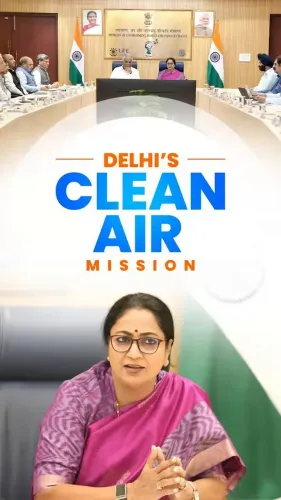
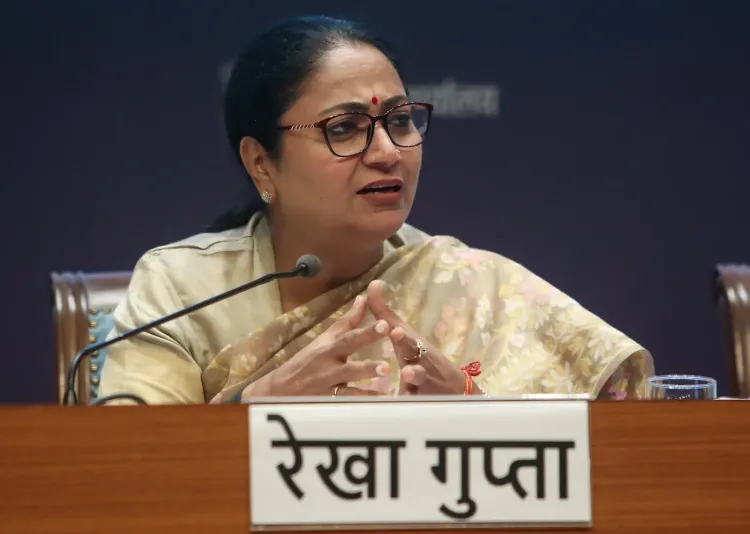
Chief Minister Rekha Gupta framed the drive as part of a broader commitment to clean air in the capital. 'Our objective is not merely to take action, but to ensure effective control over pollution at its source,' she said. She added that industries complying with environmental norms would receive government support, while violators would face strict consequences. 'Industries that comply with environmental regulations will receive support and facilitation, but strict action will continue against those that pollute Delhi's air,' she said.
Beyond Industrial Pollution
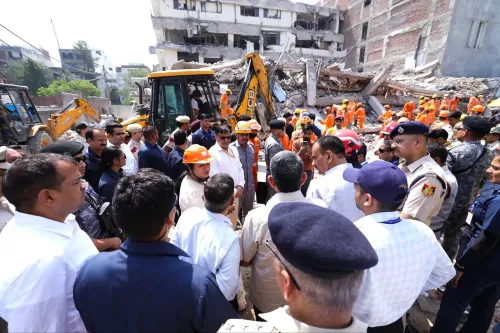
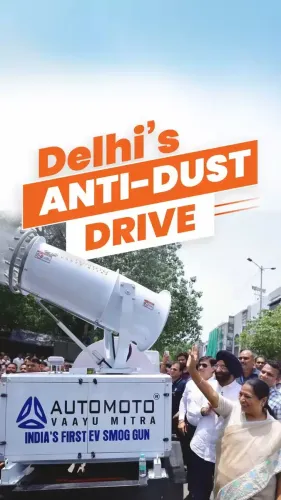
The enforcement campaign extends well beyond factory floors. The Delhi government is simultaneously targeting road dust, vehicular emissions, construction and demolition activity, waste burning, and other polluting activities across the city. On-ground monitoring of industrial emissions has also been strengthened to enable faster identification of violations and timely intervention, officials noted.
Citizens Called to Participate
Chief Minister Gupta stressed that tackling Delhi's chronic pollution crisis cannot rest on government action alone. She urged residents to report instances of industrial pollution, open burning of waste, dust pollution, or illegal waste dumping. 'One responsible report from a citizen can help identify polluters faster and enable timely action,' she said. The government has framed its anti-pollution push as a 'people's movement', calling for coordinated action among authorities, industries, and the public.
What Comes Next
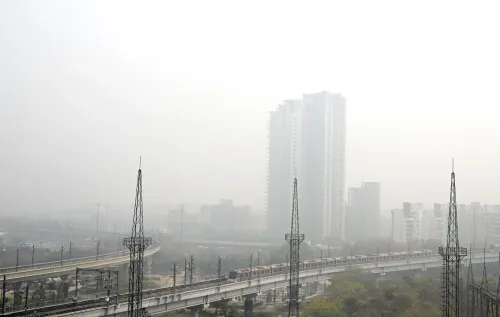
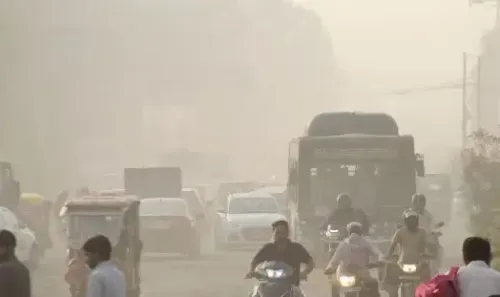
Inspections and enforcement are set to continue and intensify, according to officials. This drive comes ahead of Delhi's winter pollution season — typically the most severe — when a combination of stubble burning, cold air trapping pollutants, and industrial and vehicular emissions pushes the city's air quality into hazardous territory. Whether the current enforcement pace translates into measurable air quality improvement will be closely watched in the months ahead.
Point of View
Particularly ahead of winter — and enforcement numbers like these, while not insignificant, need to be read against the scale of the problem. With over 2,000 units inspected and only 106 found non-compliant, either Delhi's industrial compliance has genuinely improved or the inspection net is not wide enough. The absence of any air quality outcome data in the government's own announcement is telling: action against polluters is measurable; actual improvement in Delhi's air is the harder, less convenient metric. The 'people's movement' framing is politically resonant but shifts responsibility toward citizens in a city where institutional enforcement has historically been the weak link.
NationPress
6 Oct 2026
Frequently Asked Questions
How many industrial units did the Delhi government inspect in 2026?
The Delhi government inspected 2,011 industrial units between January and July 2026 . Of these, 106 units were found to be non-compliant with prescribed environmental standards.
What action has been taken against the non-compliant units?
Authorities imposed Environmental Compensation (EC) in 44 cases and issued closure orders against 33 units . Action under relevant environmental laws is ongoing in the remaining cases.
What is a Consent to Operate (CTO) and why does it matter?
A Consent to Operate is a mandatory environmental clearance issued by the Delhi Pollution Control Committee (DPCC) that industrial units must hold to legally operate. Of the 106 non-compliant units, 78 were found running without a valid CTO , making their operation illegal under environmental law.
Is the Delhi government's crackdown limited to industrial pollution?
No. The campaign also targets road dust, vehicular emissions, construction and demolition activity, waste burning , and other polluting activities across the city, alongside strengthened on-ground monitoring of industrial emissions.
How can Delhi citizens report pollution violations?
Chief Minister Rekha Gupta has urged residents to report industrial pollution, open waste burning, dust pollution, or illegal dumping directly to the government. Officials say a single verified citizen report can help authorities identify and act against polluters faster.