What is the new timeline-based action plan for dust mitigation in Delhi?

Synopsis
On January 16, Delhi's Environment Minister revealed an extensive action plan to combat dust pollution. This initiative includes mist spraying, waste management reforms, and substantial investments in infrastructure to improve air quality. With clear timelines set for 2026, 2027, and 2028, this plan aims for a cleaner and healthier national capital.
Key Takeaways
Comprehensive action plan for dust mitigation.
Immediate mist spray implementation on PWD roads.
Waste-to-energy facilities to process municipal waste by 2026-27.
Expansion plans for Delhi Metro and public transport.
Increased funding for the MCD to enhance waste management.
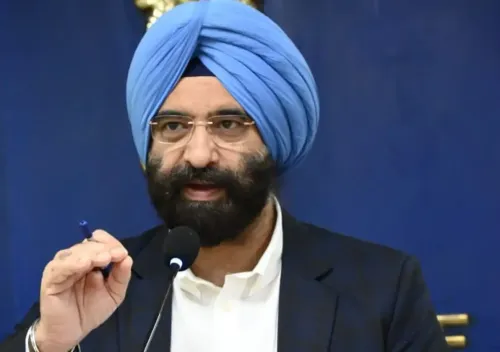
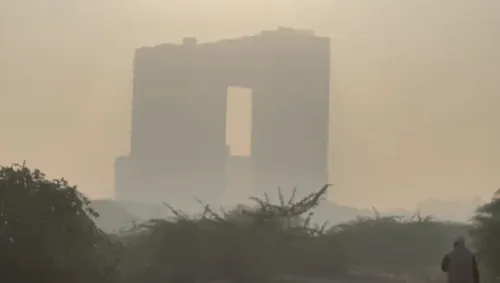
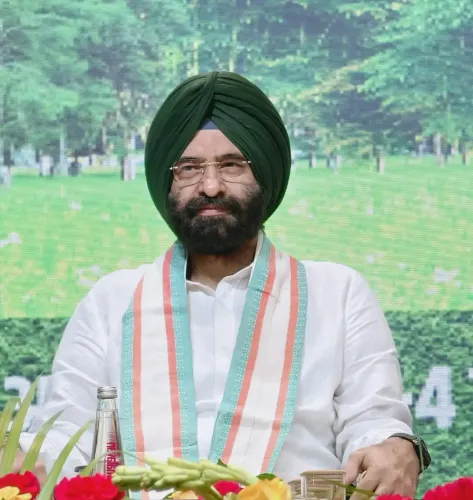
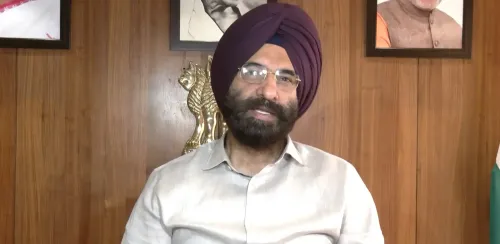
New Delhi, Jan 16 (NationPress) The Delhi Environment Minister Manjinder Singh Sirsa announced on Friday the completion of a detailed and timeline-oriented action plan aimed at diminishing dust pollution in the capital city.
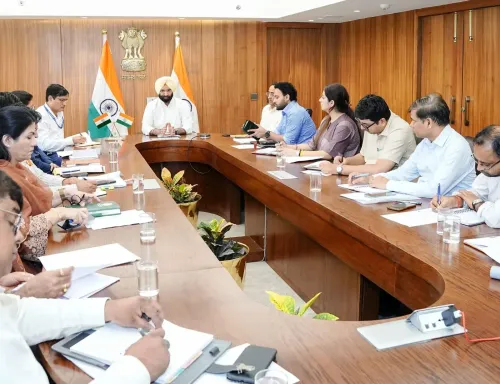
A thorough assessment of the dust control strategies and road conditions across various agencies, including PWD, DSIIDC, DDA, NDMC, MCD, and Delhi Cantonment, was performed.
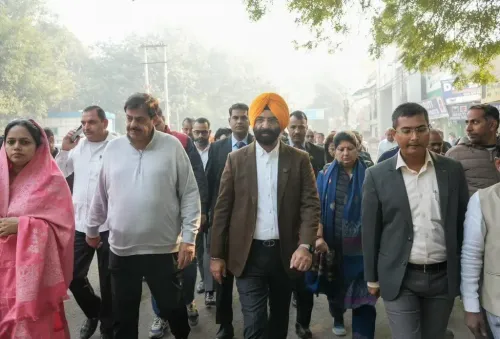
“Instructions have been issued to commence mist spraying on all PWD roads in Delhi, focusing on the designated 62 hotspots,” he stated.
“Moreover, mist spraying and other initiatives will be executed at traffic hotspots and key thoroughfares to mitigate PM 2.5 pollution,” added Minister Sirsa.
In reviewing the persistent garbage issues, it was resolved that all new municipal waste arriving in Delhi will be eliminated and processed through waste-to-energy facilities by 2026-27, he noted.
Minister Sirsa emphasized that Chief Minister Rekha Gupta has established precise timelines for key sectors such as transportation, road infrastructure, municipal waste, industrial waste, and electric mobility.
“Specific pollution control targets have been established for completion by 2026, 2027, and 2028, ” he stated.
Minister Sirsa further mentioned plans to extend the Delhi Metro to Phase-5, evaluate the necessary number of buses, develop extensive bus terminals, enhance the fleet of EV buses and charging infrastructure, improve last-mile connectivity, and establish sufficient parking facilities under metro stations.
Consensus has been achieved on bolstering Yamuna cleaning through the installation of biogas plants and effluent treatment plants (ETPs) and sewage treatment plants (STPs) in industries.
Minister Sirsa announced that for managing construction and demolition waste, an immediate creation of an additional 250 debris spots across all wards of Delhi is planned, aiming to increase this number to 500 in the future.
An application-based system will be introduced for the collection of debris, ensuring placement at designated sites.
The MCD will further streamline the garbage collection procedure to guarantee that no waste remains on the streets.
The Minister stated that Chief Minister Rekha Gupta has significantly increased funding for the MCD from 70 MRS to 250 MRS, promising unprecedented advancements in dust mitigation and waste management.
Details of these initiatives will be communicated to the Supreme Court and the Prime Minister's Office, with collaborative actions planned alongside Union Environment Minister Bhupender Yadav and neighboring states like Haryana, Uttar Pradesh, and Rajasthan to ensure the cleansing of the entire airshed.
Point of View
The newly announced action plan by Delhi's government represents a proactive approach to combat dust pollution. It not only emphasizes immediate action but also sets realistic long-term goals, reflecting a commitment towards sustainable urban development. With collaborative efforts from various stakeholders, this initiative could significantly improve the air quality in the national capital, thereby enhancing the quality of life for its residents.
NationPress
19 Sept 2026
Frequently Asked Questions
What is the main focus of the new action plan?
The action plan focuses on dust mitigation in Delhi, including mist spraying on roads, waste management, and enhancing public transport.
When will the waste-to-energy facilities be operational?
The waste-to-energy facilities are expected to be operational by 2026-27.
What other measures are included in the action plan?
Other measures include expansion of the Delhi Metro, increased EV infrastructure, and improved garbage collection processes.