Egypt, Sudan, Eritrea, Somalia sign El Alamein Declaration on Red Sea, Nile rights
Synopsis
Four nations — Egypt, Sudan, Eritrea, and Somalia — have formalised a joint front on some of Africa's most combustible disputes: Red Sea access, Nile water rights, and Sudan's territorial integrity. The El Alamein Declaration's blunt rejection of 'unilateral measures' on the Nile is a multilateral shot across Ethiopia's bow — and its breadth suggests Cairo is building a durable regional coalition, not just issuing a statement.
Key Takeaways
Egypt , Sudan , Eritrea , and Somalia issued the El Alamein Joint Declaration on 5 October 2026 after a quadrilateral summit in New Alamein .
The declaration affirms that Red Sea governance is the exclusive responsibility of its littoral states, rejecting external control.
The four nations categorically rejected any unilateral measures harming the existing water uses of downstream Nile states — a pointed message regarding the GERD dispute.
Recognition of or support for so-called 'Somaliland' was explicitly rejected.
Leaders backed the unity, sovereignty, and territorial integrity of Sudan and opposed the formation of any parallel entities.
The summit reflects Egypt's intensifying diplomatic effort to build a regional coalition across the Horn of Africa and Red Sea corridor.
Egypt, Sudan, Eritrea, and Somalia issued the El Alamein Joint Declaration on 5 October 2026 following a quadrilateral consultative summit in New Alamein, asserting collective positions on Red Sea governance, state sovereignty, and Nile water rights under international law. The declaration signals a coordinated regional pushback against external interference and unilateral actions that the four nations say threaten stability in the Horn of Africa and Red Sea corridor.
Key Declarations from the Summit
The four leaders firmly rejected interference in the internal affairs of regional states 'under any pretext', and affirmed that governance of the Red Sea is the exclusive responsibility of its littoral states. They also rejected any recognition of or support for the so-called 'Somaliland', underlining the principle of territorial integrity as non-negotiable.
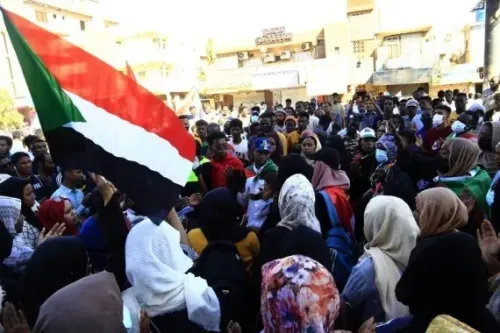
On Sudan, the declaration explicitly backed the unity, sovereignty, territorial integrity, and national institutions of the Republic of Sudan, rejecting the establishment of any parallel entities — a pointed reference to ongoing conflict and fragmentation pressures inside the country.
Nile Water Rights: A Sharp Message to Ethiopia
The declaration devoted considerable attention to transboundary river governance, stressing adherence to international law — specifically the principle of 'no harm' — and the obligation to cooperate through prior notification, consultation, and consensus. The four nations categorically rejected 'any unilateral measures that harm the existing water uses of the two downstream Nile states.'
This language is widely understood as directed at Ethiopia and its continued filling of the Grand Ethiopian Renaissance Dam (GERD), which Egypt and Sudan have long argued threatens their Nile water allocations. The inclusion of this language in a multilateral declaration — rather than bilateral Egyptian or Sudanese statements — marks a notable escalation in diplomatic coordination.
Leaders Present at New Alamein
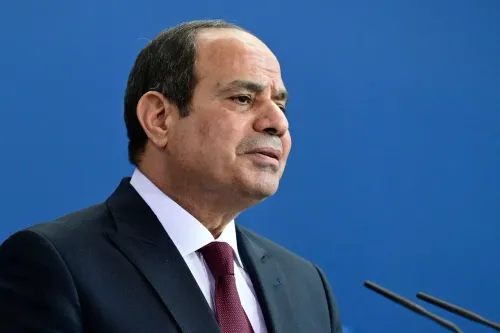
The summit was attended by Egyptian President Abdel Fattah El-Sisi, Eritrean President Isaias Afwerki, Somali President Hassan Sheikh Mohamud, and Abdel Fattah Al-Burhan, chairman of Sudan's Transitional Sovereign Council. Discussions covered regional and international developments and pathways to deepen political, economic, trade, and cultural cooperation among the four countries.
Egypt's Broader Regional Strategy
The summit comes amid intensifying Egyptian efforts to build a coalition of Horn of Africa and Red Sea littoral states around shared security and sovereignty concerns. Cairo has increasingly positioned itself as a stabilising actor in the region, cultivating ties with Mogadishu and Asmara as part of a broader diplomatic push that also touches on its longstanding dispute with Addis Ababa over Nile waters.
Notably, the quadrilateral format itself is a development — bringing together states with historically complex bilateral relationships under a unified declaration framework signals that common threats are, at least for now, outweighing bilateral frictions.
What Comes Next
The declaration's practical impact will depend on whether the four nations translate its language into coordinated diplomatic action at forums such as the African Union and the United Nations. The explicit rejection of Somaliland recognition and of parallel entities in Sudan suggests the group may lobby collectively against recognition bids in international bodies. Observers will also watch whether the Nile water provisions prompt a formal response from Ethiopia or accelerate multilateral negotiations on GERD.
Point of View
And getting three other African heads of state to co-sign it is a meaningful shift from Cairo's historically solo approach. Yet the bloc's cohesion will be tested quickly: Sudan is mid-conflict, Eritrea's international standing is complicated, and Somalia's government faces domestic fragility. Whether this declaration produces coordinated action at the African Union or remains a statement of intent is the critical question.
NationPress
5 Oct 2026
Frequently Asked Questions
What is the El Alamein Joint Declaration?
The El Alamein Joint Declaration is a multilateral agreement signed on 5 October 2026 by Egypt, Sudan, Eritrea, and Somalia at a quadrilateral summit in New Alamein. It covers Red Sea governance, state sovereignty, rejection of Somaliland recognition, and Nile water rights under international law.
Why does the declaration mention Nile water rights?
The declaration stresses the 'no harm' principle and prior consultation obligations under international law regarding transboundary rivers, specifically the Nile. This is widely seen as a collective rebuke of Ethiopia's ongoing filling of the Grand Ethiopian Renaissance Dam, which Egypt and Sudan argue threatens their downstream water allocations.
What does the declaration say about Somaliland?
The four nations explicitly rejected any recognition of or support for the so-called 'Somaliland', affirming the territorial integrity of Somalia. This is significant as Somaliland has sought international recognition and signed a contentious agreement with Ethiopia in early 2024.
What is the declaration's position on Sudan?
The leaders expressed full support for Sudan's unity, sovereignty, and territorial integrity, and rejected the establishment of any parallel entities — a reference to the fragmentation pressures arising from Sudan's ongoing internal conflict.
What is the broader significance of this summit for the Red Sea region?
The summit reflects Egypt's intensifying efforts to build a regional coalition among Horn of Africa and Red Sea littoral states. By uniting four nations under a single declaration, Cairo has elevated its long-standing disputes over the Nile and Red Sea access from bilateral tensions into a multilateral diplomatic framework with potentially greater leverage at the African Union and United Nations.