Is Energy Conservation the Most Crucial Need Today? - President Murmu
Synopsis
President Droupadi Murmu emphasizes the urgent need for energy conservation, stating it is the most critical requirement of our time. During the National Energy Conservation Day events, she highlights the importance of energy-efficient practices for a sustainable future. Discover how these efforts can empower communities and contribute to cleaner air and a balanced ecosystem.
Key Takeaways
Energy conservation is a critical need today.
Adopting energy-efficient practices can significantly reduce carbon emissions.
Community empowerment is linked to access to affordable, clean energy.
Government initiatives are crucial for promoting renewable energy.
Awareness among youth is key to achieving sustainability goals.
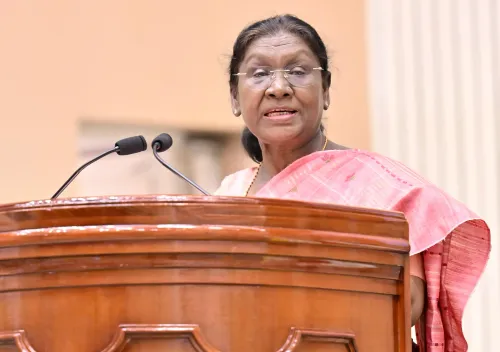
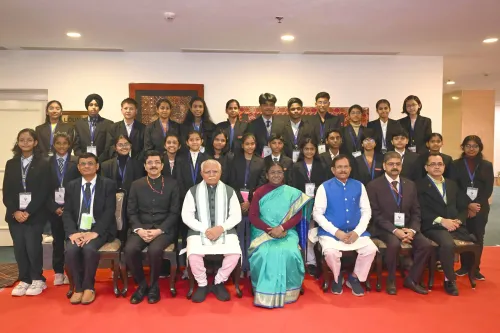
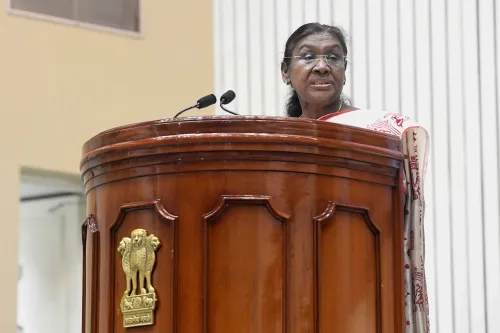
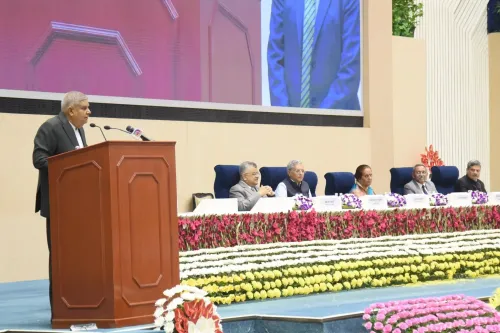
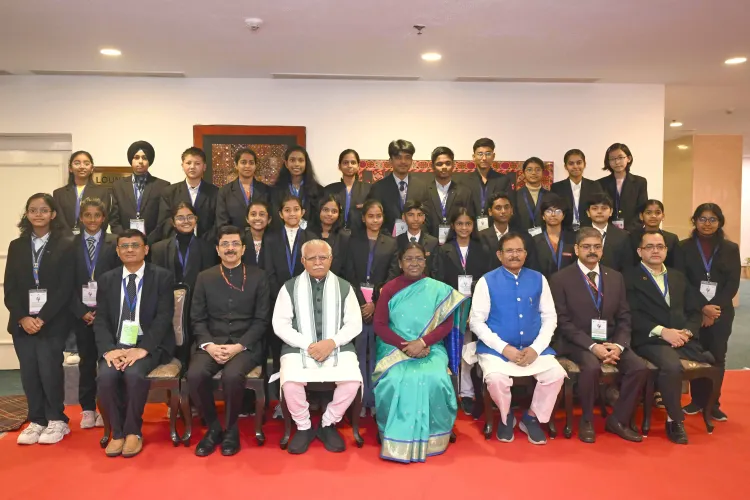
New Delhi, Dec 14 (NationPress) President Droupadi Murmu highlighted the pressing necessity of embracing energy-efficient practices, asserting that energy conservation is “not merely an option but the most critical requirement of our time.” This statement was made during her presentation of the National Energy Conservation Awards 2025 and prizes for the National Painting Competition on Energy Conservation in the national capital.
In her address on National Energy Conservation Day in New Delhi, the President characterized energy conservation as the most environmentally friendly and reliable energy source.
She stressed that saving energy entails not just reducing consumption but also using energy “wisely, responsibly, and efficiently.”
Pointing out practical strategies, she mentioned that minimizing unnecessary use of electrical devices, utilizing energy-efficient products, harnessing natural light and ventilation, and adopting solar and other renewable energy sources can greatly diminish carbon emissions.
She emphasized the vital role of energy conservation in preserving clean air, safe water supplies, and a balanced ecosystem.
“Every unit of energy conserved represents our commitment to nature and our responsibility to future generations,”
she added, asserting that fostering awareness among children and youth is essential for achieving national energy objectives and promoting sustainable development.
The President also highlighted that access to affordable, clean energy can empower communities, stimulate local economies, and generate new growth opportunities.
She conveyed that green energy transcends electricity generation and acts as a robust catalyst for empowerment and inclusive growth.
She expressed her satisfaction with key initiatives like the Pradhan Mantri Surya Ghar Muft Bijli Yojana and the National Green Hydrogen Mission, noting that these programs are crucial in reducing India’s reliance on fossil fuels.
Additionally, she mentioned that the government is advancing renewable energy use and efficiency through initiatives such as the Renewable Consumption Obligation and Production Linked Incentive (PLI) schemes.
According to official reports, India’s energy efficiency measures in 2023–24 yielded energy savings of 53.60 million tonnes of oil equivalent, resulting in significant economic benefits and substantial reductions in carbon dioxide emissions.
She reiterated that the success of India’s energy transition hinges on the engagement of every sector and citizen, highlighting that behavioral change is critical for enhancing energy efficiency across all areas. Referring to India’s cultural principles, Murmu reiterated that the concept of living in harmony with nature underpins the global message of “Lifestyle for Environment (LiFE).”
Point of View
I believe President Murmu's call for energy conservation is not just timely but crucial. With the escalating climate crisis, embracing energy-efficient practices is pivotal for sustainable development. Her emphasis on awareness among youth and community empowerment underscores a proactive approach to environmental challenges. This focus aligns with our national ethos and offers a pathway to a more sustainable future.
NationPress
30 Sept 2026
Frequently Asked Questions
Why is energy conservation important?
Energy conservation is essential as it helps reduce carbon emissions, preserves natural resources, and promotes sustainable development while fostering economic growth.
How can individuals contribute to energy conservation?
Individuals can contribute by using energy-efficient devices, minimizing unnecessary electrical usage, utilizing natural lighting, and supporting renewable energy sources.
What initiatives is the Indian government promoting for energy efficiency?
The government is promoting initiatives like the Pradhan Mantri Surya Ghar Muft Bijli Yojana and the National Green Hydrogen Mission to enhance renewable energy adoption and efficiency.
What role does youth awareness play in energy conservation?
Awareness among youth is crucial as it fosters a culture of energy responsibility and encourages future generations to adopt sustainable practices.
How does energy conservation impact the economy?
Energy conservation leads to significant economic savings by reducing dependency on costly fossil fuels and promoting the growth of renewable energy sectors.