Ethiopia election 2025: 50.5 million voters set for June 1 general polls
Synopsis
Ethiopia heads to its seventh general election on 1 June 2025 with over 50.5 million registered voters, 52,000 polling stations, and a first-ever digital registration platform — while the ruling Prosperity Party wraps up a nationwide campaign under the banner of 'Transforming Ethiopia into a Model Country.' The scale and infrastructure mark a significant step in the country's electoral evolution.
Key Takeaways
Ethiopia's seventh general election is scheduled for 1 June 2025 , confirmed by the National Election Board of Ethiopia (NEBE) .
More than 50.5 million voters have registered, supported by over 52,000 polling stations nationwide.
For the first time, NEBE deployed a digital registration platform ; more than 5.5 million voters enrolled through it.
Women constitute 46 per cent of registered voters; 47 political parties have fielded over 10,900 candidates .
All non-essential workplaces will be closed on election day to facilitate voter participation.
The ruling Prosperity Party held its closing rally in Addis Ababa , with Mayor Adanech Abiebie pledging an intensified development agenda if re-elected.
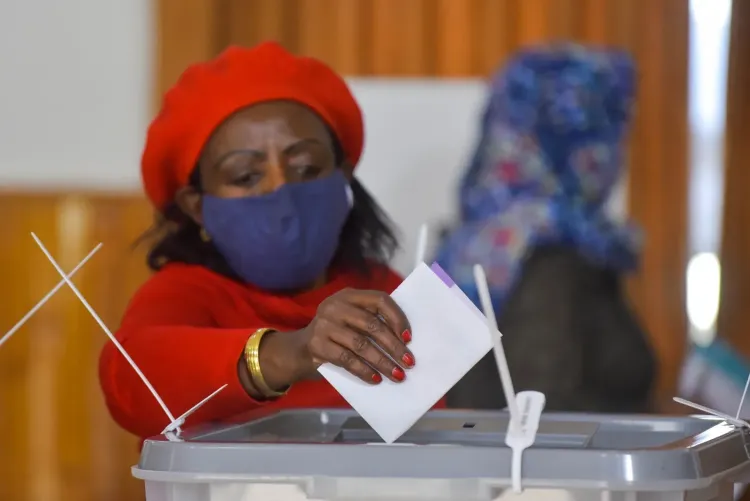
Ethiopia's National Election Board (NEBE) has confirmed that all preparations are in place for the country's seventh general election, scheduled for 1 June 2025. NEBE Chairperson Melatwork Hailu told reporters that the board has entered its final operational phase to ensure a free and peaceful vote across the East African nation.
Scale of the Election
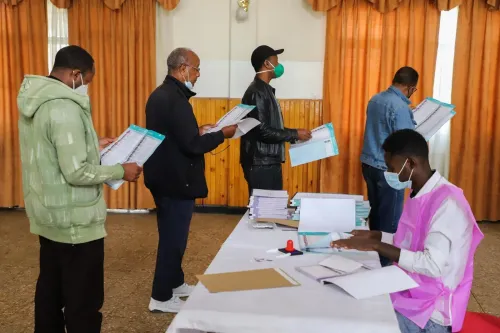
More than 50.5 million voters have registered to participate, with over 52,000 polling stations established nationwide. Women account for 46 per cent of registered voters, while men make up the remaining 54 per cent.
A total of 47 political parties have fielded candidates, with more than 10,900 individuals contesting seats in the Ethiopian House of Peoples' Representatives (HoPR) and various regional councils. Under the Ethiopian constitution, the party or coalition winning a majority in the HoPR forms the government and appoints the prime minister.
New Digital Infrastructure
For the first time in the country's electoral history, NEBE introduced a digital registration platform to modernise voter and candidate enrolment. Voter registration ran from 7 March to 22 April through a hybrid system combining digital and in-person methods. More than 5.5 million voters registered via the digital platform, while the majority opted for in-person registration.
Special arrangements have also been made for internally displaced persons, members of the defence forces, and students to ensure their inclusion in the electoral process.
Election Day Logistics
All workplaces across Ethiopia will be closed on 1 June, with the exception of essential service providers, to allow voters unimpeded access to polling stations, Hailu confirmed.
Ahead of voting day, the board briefed diplomats and representatives of international organisations based in Addis Ababa on election preparations. Ethiopia's State Minister of Foreign Affairs Berhanu Tsegaye told the briefing that this election is a continuation of a series of national polls that have played a crucial role in strengthening the country's democratic system.
Campaign Trail: Ruling Party's Final Push
As polling day approaches, both the ruling Prosperity Party (PP) and opposition parties have been concluding their nationwide campaign rallies. On Tuesday, the PP held large-scale events across the country, including in the capital, drawing tens of thousands of supporters under its campaign motto, 'Transforming Ethiopia into a Model Country.'
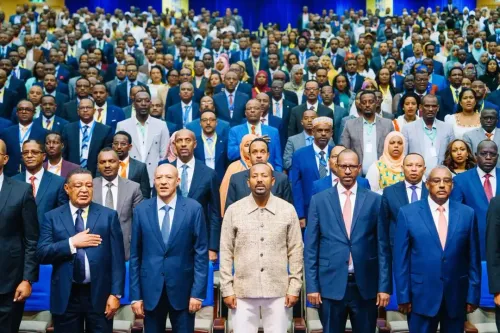
Addis Ababa Mayor Adanech Abiebie addressed the party's main closing rally in the capital, attended by senior government officials, party leaders, candidates, and thousands of supporters. She defended the ruling party's record, citing major infrastructure projects and urban transformation initiatives as evidence of what she described as 'results-driven leadership,' and pledged to intensify the development agenda if re-elected.
What Happens Next
With polls opening on 1 June 2025, the results will determine the composition of the HoPR and regional state councils, and by extension, who leads the federal government. International observers and diplomats are already engaged, signalling global attention on the credibility of the process.
Point of View
52,000 polling stations, a debut digital platform — project an image of institutional readiness, but Ethiopia's electoral credibility will ultimately be tested by what happens after the votes are counted, not before. The ruling Prosperity Party's dominance and the scale of its closing rallies raise familiar questions about the level playing field for opposition parties. Notably, the NEBE's briefing to international diplomats signals awareness that external scrutiny matters; whether that scrutiny translates into genuine accountability mechanisms remains the critical variable. A free pre-poll environment is necessary but not sufficient — the post-result period and the independence of the count will be the real measure of democratic consolidation.
NationPress
11 Oct 2026
Frequently Asked Questions
When is Ethiopia's general election in 2025?
Ethiopia's seventh general election is scheduled for 1 June 2025. The National Election Board of Ethiopia (NEBE) has confirmed that all preparations are finalised for a free and peaceful vote.
How many voters are registered for the Ethiopia 2025 election?
More than 50.5 million voters have registered for the June 1 election. Women make up 46 per cent of registered voters and men 54 per cent, according to NEBE data.
What is new about Ethiopia's 2025 election process?
For the first time, NEBE introduced a digital registration platform, through which more than 5.5 million voters enrolled. The hybrid system combined digital and in-person registration between 7 March and 22 April 2025.
Which parties are contesting the Ethiopia 2025 election?
A total of 47 political parties have registered candidates, with more than 10,900 individuals contesting seats in the House of Peoples' Representatives and regional councils. The ruling Prosperity Party is the dominant force, with opposition parties also completing their campaign rallies ahead of polling day.
How does Ethiopia's election determine its prime minister?
Under the Ethiopian constitution, the political party or coalition that wins a majority of seats in the House of Peoples' Representatives forms the government and selects the prime minister, who holds the highest executive power in the country.