Agniveers matched regular soldiers in Op Sindoor, says ex-Navy Chief Tripathi
Synopsis
India's retired Navy Chief has gone on record saying Agniveers were indistinguishable from regular soldiers in Operation Sindoor — the strongest military endorsement the scheme has received. But even as the Centre's new two-year extension draws praise, a retired colonel is asking the question no one has answered: what happens to those who serve six years and still aren't regularised?
Key Takeaways
Retired Navy Chief Admiral Dinesh K.
Tripathi said Agniveers performed on par with regular soldiers during Operation Sindoor .
The Centre has announced a two-year service extension option for Agniveers after their initial four-year term.
Tripathi said the extension will improve fighting efficiency and equipment maintenance by retaining trained personnel longer.
Currently, 25 per cent of Agniveers are absorbed into regular service after four years; the extended policy may alter this ratio.
Retired Colonel Sagar Singh Salaria raised concerns over the lack of clarity on absorption percentages and age-limit implications for those not regularised after six years .
No detailed government guidelines on the extension's implementation, eligibility, or regularisation criteria have been released yet.
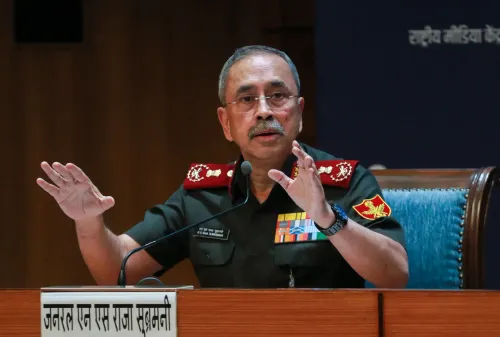
Retired Navy Chief Admiral Dinesh K. Tripathi on Thursday, 5 November 2026, asserted that Agniveers performed on par with regular Army personnel during Operation Sindoor, lending high-profile military credibility to the contentious short-service scheme. The remarks came a day after the Centre announced an option for Agniveers to extend service by an additional two years beyond their initial four-year term.
Tripathi's Assessment of Op Sindoor Performance
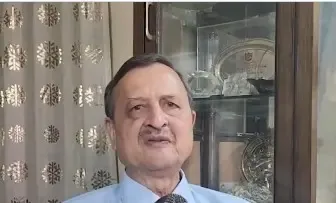
The former Naval Chief said that firsthand conversations with Agniveers during the operation revealed no drop in morale or battlefield effectiveness. "Even during Operation Sindoor, the performance of the Agniveers were no less than the regular soldiers. Even when we spoke to them, they displayed the same enthusiasm as other soldiers," Tripathi said.
He welcomed the two-year extension provision, noting that it directly addresses the anxiety faced by the 75 per cent of Agniveers who were previously not absorbed into permanent service after the initial four years. "They must have had some doubts, anxiety and uncertainty about what they would do after completing their service," he acknowledged, while pointing out that the government had already built transitional structures for those exiting.
Why the Extension Matters for Military Readiness
Tripathi argued that the operational logic for the extension is straightforward. "This is because the trained manpower of four years can now continue for two more years. This will improve our fighting efficiency and maintenance of equipments," he said.
He also addressed the question of voluntariness, stressing that coerced service is counterproductive in a combat environment. "Unwilling people cannot be taken into the armed forces, especially the military. Unless you have that passion within you and are not fully convinced that you are in the right place, you cannot fight a war," he said. He acknowledged that soldiers may have legitimate personal, financial, or entrepreneurial reasons to leave after four or six years.
Notably, the policy also includes a provision for regularising Agniveers into permanent military service after the extended term, subject to willingness and meeting eligibility criteria.
Concerns from Retired Officers
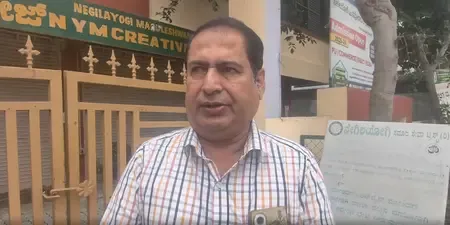
Not all voices from within the defence establishment share Tripathi's confidence. Retired Colonel Sagar Singh Salaria raised several pointed questions about the policy's implementation gaps. His central concern: there is still no clarity on the fate of Agniveers who complete the two-year extension but are not regularised.
Salaria questioned whether soldiers during the additional two-year period would be permitted to simultaneously apply for paramilitary or civilian government posts. He warned that if participation in other recruitment processes is barred during this period, soldiers' ages would advance by two more years — potentially pushing them beyond the upper age limits for many government jobs.
He also pressed on the absorption ratios post-extension: "After completing six years of service, what percentage of the remaining soldiers will be made permanent? Will it be 50 per cent, 25 per cent, 10 per cent, or none at all?" Currently, 25 per cent of Agniveers are absorbed into regular service after the initial four years.
Salaria urged the government to publish a transparent policy covering future prospects, reservation benefits, and rehabilitation measures for Agniveers who are not regularised even after six years of service.
What Happens Next
The government has not yet released detailed guidelines on the two-year extension, including absorption percentages or eligibility criteria for regularisation. With the first cohort of Agniveers approaching the end of their initial four-year terms, the pressure for clarity is mounting. How the Centre responds to the concerns raised by Salaria and others will determine whether the policy extension is seen as a genuine reform or an interim fix that defers the harder questions.
Point of View
Not a training exercise. But it risks overshadowing the structural questions that Colonel Salaria raises, which are genuinely unresolved: age-lock risk, opaque absorption ratios, and no published rehabilitation framework. The government has repeatedly addressed the scheme's critics with political arguments; what's missing is a legal and administrative architecture that makes the exit pathway as well-designed as the entry one. Tripathi's operational validation is necessary but not sufficient to settle the debate.
NationPress
5 Nov 2026
Frequently Asked Questions
How did Agniveers perform in Operation Sindoor?
According to retired Navy Chief Admiral Dinesh K. Tripathi, Agniveers performed no less than regular soldiers during Operation Sindoor, displaying the same enthusiasm and effectiveness in the field. Tripathi said this was confirmed through direct conversations with Agniveers during the operation.
What is the new two-year extension for Agniveers?
The Centre has announced an option for Agniveers to serve an additional two years after completing their initial four-year term, bringing the potential total service period to six years. After this extended term, there is also a provision for regularisation into permanent military service, subject to willingness and eligibility criteria.
What concerns have been raised about the Agniveer extension policy?
Retired Colonel Sagar Singh Salaria has flagged several gaps, including no clarity on the percentage of extended-service Agniveers who will be regularised, and the risk that mandatory participation in the extension could make soldiers age-ineligible for other government jobs. He has called for complete transparency on future prospects, reservation benefits, and rehabilitation for those not regularised after six years.
What percentage of Agniveers are currently absorbed into regular service?
Under the current framework, 25 per cent of Agniveers are absorbed into regular Armed Forces service after completing four years. The new extension policy does not yet specify what absorption percentage will apply after the additional two-year term.
Why did Admiral Tripathi support the two-year extension?
Tripathi argued that retaining four-year-trained personnel for two additional years will improve operational efficiency and equipment maintenance. He also said it addresses the anxiety previously felt by the 75 per cent of Agniveers who faced uncertainty about their futures at the end of their initial term.