Agniveer extended tenure: Veterans praise two-year extension, flag post-service gaps
Synopsis
India's decision to extend Agniveer tenure by two years for 75% of recruits is earning rare cross-partisan praise from veterans — but the applause comes with pointed questions. What happens to seniority when these soldiers join police or paramilitary forces? And what if post-service recruitment is simply frozen? The scheme's credibility now hinges on the government's answers.
Key Takeaways
The Centre has extended the tenure of 75 per cent of Agniveers by two years to facilitate absorption into the Army .
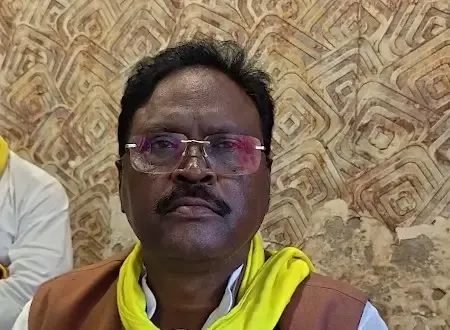
Gajanan Bhat , President of the Navy Veterans Association, Mysuru , called it a 'great opportunity' for youth to serve the nation.
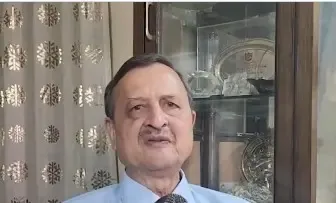
Former Lieutenant General Rajan Bakhshi described the move as 'a very good decision,' noting the original scheme was designed to fund armed forces modernisation.
Under the existing framework, only 25 per cent of Agniveers are retained in the Army, Navy, and Air Force after their initial four-year term.
The government has committed a retirement package of over ₹11 lakh for exiting Agniveers.
Unresolved concerns include seniority status in post-service organisations and guaranteed timelines for paramilitary and state police recruitment .
The central government's decision to extend the tenure of 75 per cent of Agniveers by two years — enabling their potential absorption into the Army — has drawn broad support from retired armed forces personnel and defence experts, even as key questions about post-service career pathways remain unresolved.
Veterans Welcome the Move
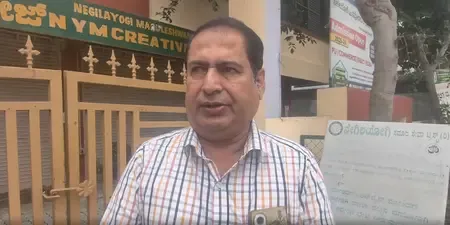
Gajanan Bhat, President of the Navy Veterans Association, Mysuru, described the extension as a 'great opportunity' for youth to serve the nation. 'This is truly beneficial for the youth. The scheme, initially set for four years, has now been extended by two years. For those who aspire to be part of the defence forces, this serves as an excellent opportunity to contribute to the nation,' he said.
Former Lieutenant General Rajan Bakhshi echoed similar views, calling it 'a very good decision.' He traced the origins of the scheme to 2022, when the Agnipath scheme was launched with the stated objective of freeing up funds for the modernisation of the armed forces. Under its original framework, Agniveers serve for four years, after which 25 per cent are retained across the Army, Navy, and Air Force, while the remaining 75 per cent exit service.
Concerns Over Post-Service Clarity
Despite welcoming the extension, Bhat flagged unresolved procedural questions around what happens to Agniveers after they leave service. He specifically questioned the absorption process into paramilitary forces, state police, and other disciplined services — asking what recourse exists if recruitment into those bodies is paused or delayed due to unforeseen circumstances.
'During two years, what will happen if recruitment into related services like paramilitary forces, state police, and other disciplined forces is halted?' Bhat asked. He also raised the issue of seniority, noting that former Agniveers joining other services could find themselves ranked as the most junior personnel, with no clear framework to account for their prior military experience.
Government's Existing Provisions
Former Lieutenant General Bakhshi acknowledged that concerns about Agniveers' futures have persisted since the scheme's launch, but noted that the Centre has already committed to a retirement package of over ₹11 lakh for exiting Agniveers. He stressed that the two-year extension meaningfully strengthens the scheme's value proposition for aspirants.
Notably, the Agnipath scheme has faced scrutiny since its inception, with protests erupting in several states in 2022 over concerns about short-term service and uncertain post-tenure prospects. The latest extension is seen as a course-correction, though critics argue it does not fully address the structural gaps in re-employment pathways.
What Comes Next
Experts and veterans' bodies are calling for the government to issue detailed guidelines on seniority protocols and guaranteed recruitment timelines in paramilitary and police forces. With the first cohort of Agniveers approaching the end of their initial four-year terms, clarity on these issues is increasingly urgent. How the Centre responds to these procedural questions will determine whether the extended tenure translates into lasting opportunity or simply deferred uncertainty.
Point of View
The extension risks being cosmetic. The first batch of Agniveers is nearly at the end of their initial terms — the government has very little time left to convert goodwill into a workable framework.
NationPress
5 Nov 2026
Frequently Asked Questions
What is the Agniveer two-year extension about?
The central government has extended the service tenure of 75 per cent of Agniveers by two additional years, beyond the original four-year term, to enable their potential absorption into the Army. The move has been welcomed by veterans and defence experts as a meaningful improvement to the Agnipath scheme.
Why was the Agnipath scheme originally launched?
The Agnipath scheme was launched in 2022 with the stated aim of freeing up defence expenditure for the modernisation of the armed forces. Under the scheme, recruits called Agniveers serve for four years, after which 25 per cent are retained across the Army, Navy, and Air Force.
What retirement package do exiting Agniveers receive?
According to former Lieutenant General Rajan Bakhshi, the central government has made provisions for a retirement package of over ₹11 lakh for Agniveers who complete their service and exit. This was cited as an existing safeguard even before the two-year extension was announced.
What concerns have veterans raised about the extension?
Navy Veterans Association President Gajanan Bhat flagged two key concerns: the lack of clarity on seniority for Agniveers who join paramilitary forces or state police, and the absence of a contingency plan if recruitment into those services is paused or delayed. He questioned what happens to Agniveers if absorption into related services hits procedural roadblocks.
Who is affected by the Agniveer tenure extension?
The extension directly affects 75 per cent of each Agniveer cohort — the portion that does not secure permanent retention in the Army, Navy, or Air Force after the initial four-year term. These individuals are now eligible for an additional two years of service, with the expectation of absorption into the Army or other disciplined forces thereafter.