CBI Decries Excise Policy Case as Major Scandal in Delhi
Synopsis
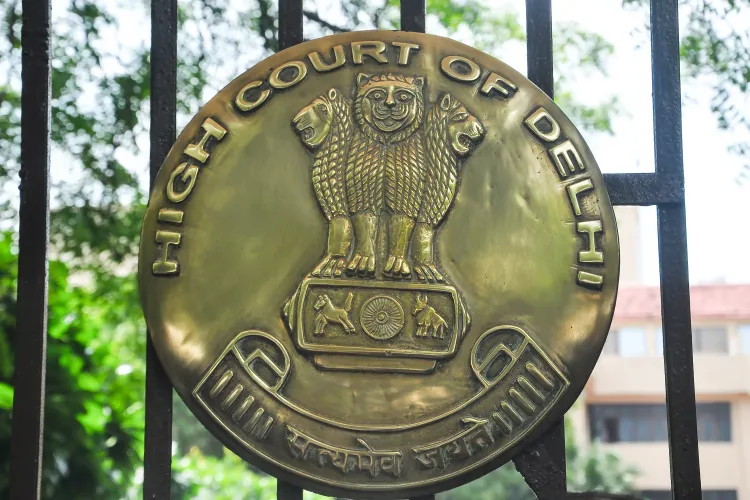
In a critical appeal to the Delhi High Court, Solicitor General Tushar Mehta described the trial court's decision to discharge key figures in the 2021-22 excise policy case as a major miscarriage of justice, asserting it amounts to an acquittal without a trial.
Key Takeaways
Solicitor General Tushar Mehta argues the trial court's ruling was a major error.
The case is described as one of the largest scams in Delhi's history.
The CBI claims to have substantial evidence of corruption.
Discharge of accused poses significant implications for accountability.
Investigations reveal a broader conspiracy behind the excise policy.
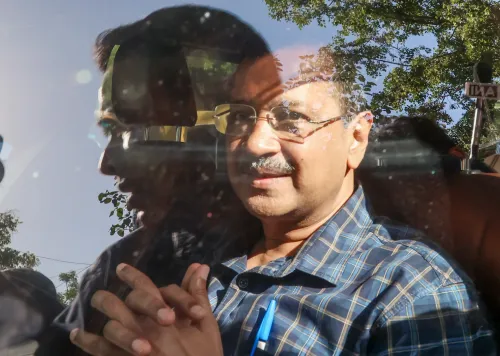
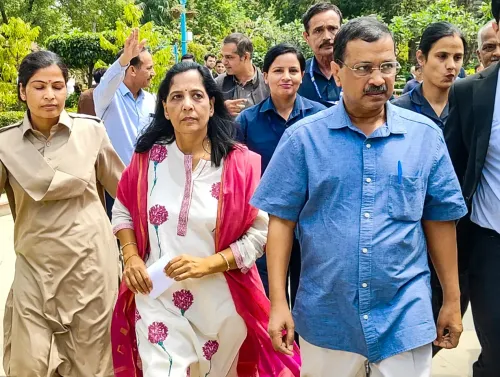
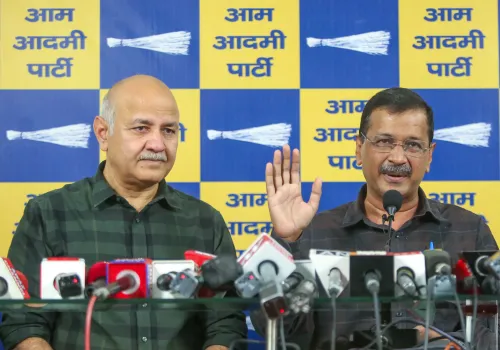
New Delhi, March 9 (NationPress) On Monday, Solicitor General Tushar Mehta presented arguments before the Delhi High Court asserting that the trial court's ruling to discharge AAP National Convenor Arvind Kejriwal, former Deputy Chief Minister Manish Sisodia, and 21 others in connection with the 2021-22 excise policy case was “perverse”, effectively granting an acquittal without a proper trial.
Representing the Central Bureau of Investigation (CBI), SG Mehta informed a single-judge Bench led by Justice Swarnakanta Sharma that the case pertains to “one of the largest scams in the history of the national Capital”.
“This petition is a challenge against the discharge order. The core accusation is that a distorted policy was established to benefit specific traders,” the second-highest legal official of the Centre emphasized, arguing that the contested order “upends criminal law”.
He contended that the trial court mistakenly concluded that there was insufficient corroborative evidence against the accused.
“The judge, in determining the discharge, stated that there was a lack of corroborative evidence. However, there exists ample corroborative material that cannot be disregarded. The discharge stage is not where detailed corroboration is assessed,” SG Mehta stated.
The CBI noted that the ruling effectively amounted to an acquittal prior to the commencement of a full trial.
“This is a ruling of acquittal without trial. There is a clear case of corruption involving bribes being accepted, meetings occurring, and forensic evidence present,” SG Mehta informed the Delhi High Court.
He referred to the investigations undertaken by the central agency, asserting that the CBI had amassed significant evidence indicating a broader conspiracy behind the establishment of the excise policy.
“This represents one of the most substantial scams in the national Capital. A thorough investigation has been carried out, establishing the conspiracy and its various elements,” SG Mehta argued.
“Witnesses have provided clear accounts of how the conspiracy was devised, detailing the payment of bribes and the recipients,” he added, noting that the prosecution also possesses emails and WhatsApp conversations tied to the alleged transactions.
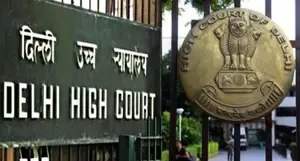
The Delhi High Court is currently reviewing a criminal revision petition filed by the CBI challenging the Rouse Avenue Court's decision to discharge all 23 individuals implicated in the case related to the now-revoked excise policy introduced by the then AAP-led city government.
The CBI has alleged that the policy was designed to favor certain private liquor businesses, notably the 'South Group', in return for supposed upfront bribes that were allegedly funneled for electoral purposes.
Additionally, it claimed that irregularities in the development and execution of the policy resulted in unwarranted benefits to licensees and losses to the public treasury.
Nonetheless, the trial court dismissed the agency's “theory of an overarching conspiracy”, asserting that the existing records indicated that the policy was a product of a consultative and deliberative process conducted in compliance with established procedures.
Point of View
The Delhi High Court's consideration of the CBI's appeal against the trial court's discharge of notable figures highlights the intricate interplay between politics and law. The case raises significant questions about accountability and transparency in governance.
NationPress
26 Sept 2026
Frequently Asked Questions
What is the excise policy case about?
The excise policy case involves allegations of corruption surrounding the formulation and implementation of a liquor policy in Delhi, purportedly designed to benefit certain private enterprises.
Who are the key figures involved in this case?
The prominent figures in this case include AAP National Convenor Arvind Kejriwal and former Deputy Chief Minister Manish Sisodia.
What was the trial court's ruling?
The trial court discharged all accused individuals, prompting the CBI to challenge this decision in the Delhi High Court.
What does the CBI allege regarding the excise policy?
The CBI alleges that the policy was manipulated to favor certain liquor traders in exchange for bribes, resulting in financial losses to the public exchequer.
What is the significance of this case?
This case is significant as it involves high-profile political figures and allegations of extensive corruption, raising questions about governance and accountability.