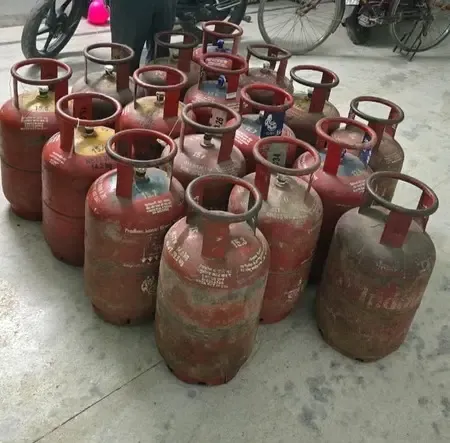
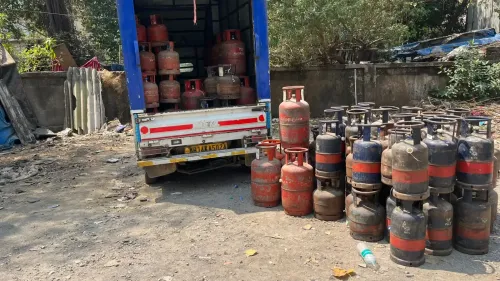
Goa Police seize ₹1.5 crore in fuel tankers in Dabolim illegal storage raid
Synopsis
Goa's Crime Branch dismantled an unlicensed petroleum depot in Dabolim, seizing six fuel tankers and a tipper truck worth ₹1.5 crore. The alleged operator was reportedly funnelling black-market fuel at inflated rates — a stark reminder of how supply-chain stress opens the door to organised hoarding.
Key Takeaways
Goa Police Crime Branch raided an illegal petroleum storage facility in Dabolim on 28 June .
Six fuel tankers and one tipper truck worth an estimated ₹1.5 crore were seized.
The facility allegedly operated without any licence, violating the Petroleum Act, 1934 , Essential Commodities Act, 1955 , and Environment (Protection) Act, 1986 .
Alleged operator identified as Devendra Naik alias Raju Chawan of Sancoale, Goa .
Petroleum products were reportedly being sold in the black market at inflated rates.
Charges filed under Section 287 BNS and provisions of three central statutes.
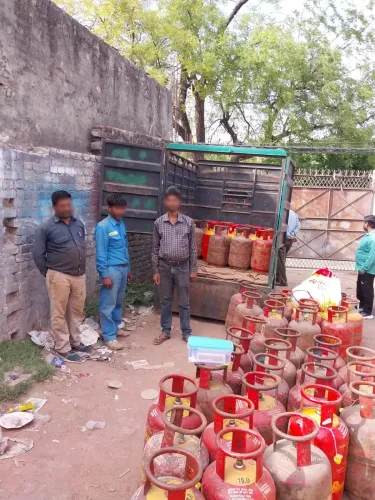
The Goa Police Crime Branch on Sunday, 28 June raided an illegally operated petroleum storage facility in the Dabolim region, seizing six fuel tankers and one tipper truck with an estimated combined value of ₹1.5 crore. The operation, which lasted approximately six hours, was conducted following a specific tip-off about unlicensed stockpiling of petroleum products.
What the Raid Uncovered
Investigators found combustible and petroleum liquids stored inside the tankers without any valid licence, in apparent violation of multiple laws. Samples were collected, sealed, and sent for forensic examination. The entire fleet of vehicles and all sample exhibits were placed under seizure.
The operation was carried out in the presence of forensic experts and officials from Indian Oil Corporation Limited (IOCL), underscoring the technical complexity of the inspection.
Who Is the Alleged Operator
Preliminary inquiries by the Crime Branch identified the premises and vehicles as allegedly operated by Devendra Naik, also known as Raju Chawan, a resident of Sancoale in Goa. According to investigators, the stored petroleum products were reportedly being diverted into the black market at inflated prices.
Laws Violated, Charges Filed
Oil experts stated that the illegal storage and handling at the site was apparently in violation of the Petroleum Act, 1934, the Essential Commodities Act, 1955, and the Environment (Protection) Act, 1986, besides posing a serious risk to public safety given the combustible nature of the stored material.
An offence has been registered under Section 287 of the Bharatiya Nyaya Sanhita (BNS), Section 23 of the Petroleum Act, Sections 3 and 7 of the Essential Commodities Act, and Sections 8 and 15 of the Environment (Protection) Act.
Backdrop: Fuel Supply Pressures
The raid comes against the backdrop of strained energy supply lines nationally, with curtailed petroleum supply adding urgency to enforcement action against black-market diversion. This is not an isolated incident — unlicensed fuel hoarding has drawn increased regulatory scrutiny across Indian states in recent months as supply constraints tighten. The Goa Crime Branch's swift response signals that authorities are moving to close enforcement gaps before the situation worsens.
Point of View
The price gap between official and black-market rates widens, making unlicensed hoarding lucrative enough to justify the risk. The involvement of IOCL officials in the raid suggests authorities are aware that diversion may be happening closer to the supply chain than previously acknowledged. The multi-statute charge sheet — spanning the BNS, Petroleum Act, Essential Commodities Act, and Environment Act — signals intent to pursue maximum legal exposure, but conviction rates in similar cases remain low without sustained judicial follow-through.
NationPress
27 Sept 2026
Frequently Asked Questions
What did the Goa Police Crime Branch seize in the Dabolim raid?
The Crime Branch seized six fuel tankers and one tipper truck with a combined estimated value of ₹1.5 crore from an illegal petroleum storage facility in Dabolim, Goa, on 28 June. Petroleum samples were also collected, sealed, and sent for forensic examination.
Who is the alleged operator of the illegal fuel storage facility?
Preliminary inquiries identified the alleged operator as Devendra Naik, also known as Raju Chawan, a resident of Sancoale in Goa. Investigators say the stored fuel was reportedly being diverted to the black market at inflated prices.
What laws were violated in the Goa fuel hoarding case?
The facility allegedly violated the Petroleum Act, 1934, the Essential Commodities Act, 1955, and the Environment (Protection) Act, 1986, in addition to Section 287 of the Bharatiya Nyaya Sanhita. Experts noted the unlicensed storage also posed a serious public safety risk.
Why is illegal fuel hoarding a concern right now?
The raid comes amid nationally strained petroleum supply lines, which create price incentives for black-market diversion. Authorities have been stepping up enforcement against unlicensed storage as supply constraints make hoarding more profitable for illegal operators.
Were any arrests made after the Goa fuel depot raid?
The source confirms an offence has been registered and preliminary inquiries point to Devendra Naik alias Raju Chawan as the alleged operator. Further details on arrests had not been confirmed at the time of reporting.