Gujarat to set up women-led Anganwadi panels at every centre for nutrition, ECCE oversight
Synopsis
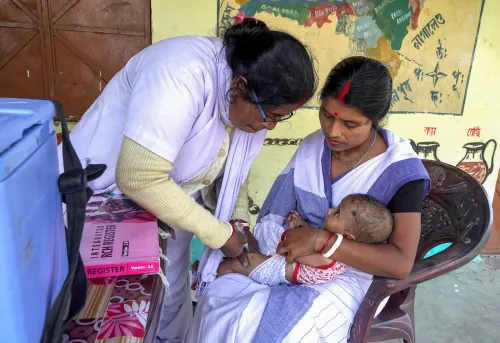
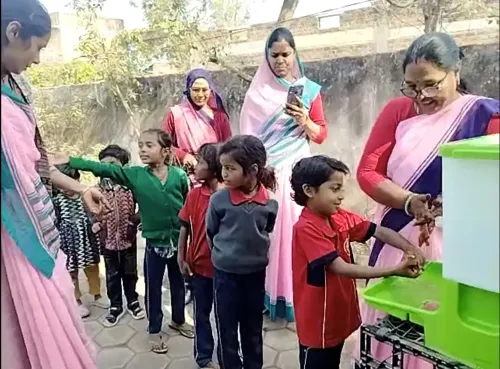
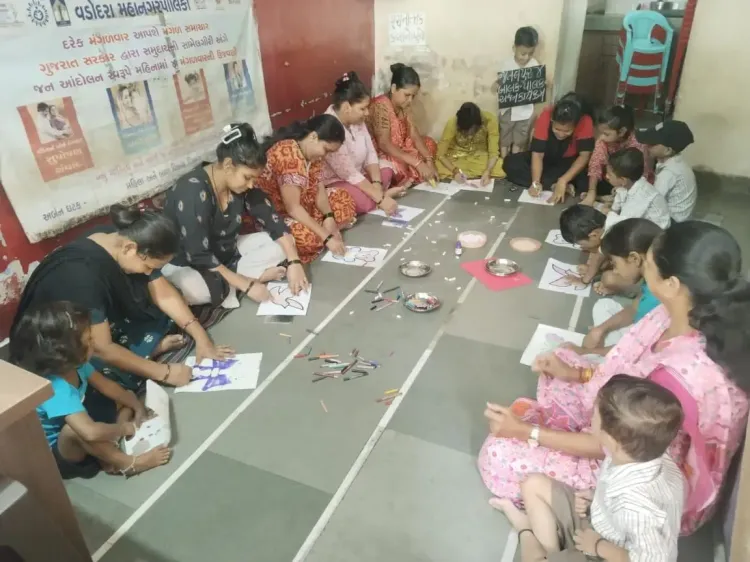
Gujarat is putting women fully in charge of every Anganwadi Centre through mandatory seven-member, all-women committees that will meet bi-monthly to review nutrition, child growth, hygiene, and early education — giving communities a direct accountability lever over a scheme that covers millions of children aged 0 to 6.
Key Takeaways
Gujarat will form women-led Anganwadi Management Committees (AMCs) at every Anganwadi Centre in the state, announced on 19 September 2026 .
Each AMC will have seven members , all women, with the woman supervisor as Chairperson and the Anganwadi worker as Member-Secretary .
Committees will meet once every two months to review nutrition, ECCE, infrastructure, hygiene, and beneficiary coverage.
The initiative supports PM Modi's Mission Saksham Anganwadi and Poshan 2.0 , under Chief Minister Bhupendra Patel .
The Centre approved upgrades for two lakh Anganwadi Centres as Saksham Anganwadis in July 2026 , of which Gujarat's AMCs form the community-oversight layer.
Meeting minutes must be submitted to the concerned CDPO within seven days ; CDPOs will review each committee at least twice a year .
Gujarat will constitute women-led Anganwadi Management Committees (AMCs) at every Anganwadi Centre across the state, the government announced on 19 September 2026, in a bid to deepen community participation in nutrition, healthcare, and early childhood education. The move, taken under the leadership of Chief Minister Bhupendra Patel, is designed to strengthen grassroots delivery of Prime Minister Narendra Modi's 'Mission Saksham Anganwadi and Poshan 2.0'.
Structure of the Committees
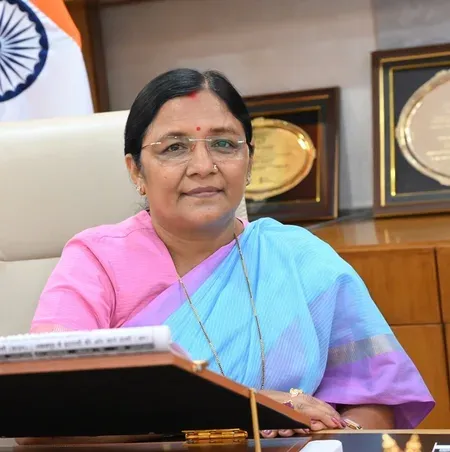
Each AMC will be constituted by the concerned Child Development Project Officer (CDPO) under the guidance of Women and Child Development Minister Manisha Vakil. All seven members of every committee will be women. The woman supervisor will serve as Chairperson, and the Anganwadi worker as Member-Secretary.
The remaining members will include an ASHA worker, two mothers of children aged 3 to 6 years enrolled at the centre, a woman member from a local Self-Help Group (SHG) or NGO/CSO, and a woman teacher from the nearest government primary school. A quorum of at least four of the seven members — including the Chairperson and Vice-Chairperson — is mandatory for any meeting to be valid.
What the Committees Will Monitor
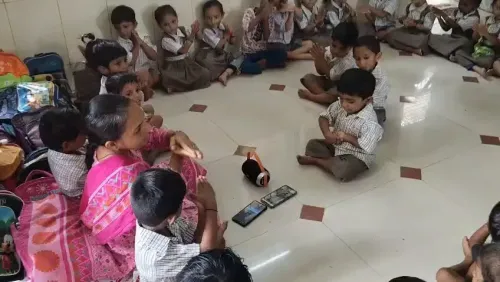
AMCs will convene once every two months at the Anganwadi Centre to review the quality and timeliness of services. Their oversight mandate covers physical infrastructure — including the Anganwadi building, drinking water, toilets, kitchen, storage, furniture, and equipment — as well as Teaching Learning Material (TLM), food quality, and hygiene standards.
Supplementary nutrition services, including Take Home Ration (THR) and Hot Cooked Meals (HCM), will also fall under committee scrutiny, with attention to freshness, hygiene, and nutritional content. Committees will additionally track child growth, developmental milestones for children aged 0 to 3 years, health check-ups, identification of malnourished children, and follow-up of referrals.
Early Childhood Care and Education (ECCE) is another key focus area. Committees will review daily pre-primary activities under the 'Aadharshila' curriculum, theme-based activities, and maintenance of development records. They will also ensure that beneficiary data on the Poshan Tracker platform is kept current.
Community Outreach and Beneficiary Coverage
Officials said the initiative would help ensure that eligible beneficiaries — including pregnant women, lactating mothers, and children aged 0 to 6 years — are not excluded from Anganwadi services. Through household surveys and community mapping, committees will support identification of those yet to be enrolled.
The panels will also encourage contributions from parents, volunteers, private organisations, corporate entities, NGOs, CSOs, and community groups — in the form of toys, clothes, activity materials, and educational resources. Panchayati Raj Institutions and Urban Local Bodies will be engaged to establish and maintain Poshan Vatika (Nutri-Gardens) at centres.
Accountability and Reporting Mechanism
Decisions within AMCs will be taken by consensus wherever possible, and by majority vote when required. Minutes — covering attendance, discussions, decisions, and follow-up status — must be submitted to the CDPO within seven days of each meeting. The CDPO will review each committee's functioning at least twice a year, and issues that cannot be resolved locally will be escalated to the Programme Officer.
This initiative comes as the Centre approved the upgrade of two lakh Anganwadi Centres as Saksham Anganwadis in July 2026, reflecting a national push to modernise early childhood infrastructure. Gujarat's AMC framework is positioned as the community-oversight layer that makes those upgrades accountable at the last mile.
Point of View
ASHA workers, and SHG members are the most affected stakeholders and, evidence suggests, the most effective monitors of nutrition outcomes. The real test will be whether CDPOs genuinely act on AMC minutes or treat them as paperwork; the twice-yearly CDPO review is a thin safeguard for a bi-monthly committee. With the Centre upgrading two lakh Anganwadis nationally, Gujarat's framework could become a model — but only if the reporting chain translates local observations into measurable service corrections.
NationPress
19 Sept 2026
Frequently Asked Questions
What are Gujarat's Anganwadi Management Committees (AMCs)?
AMCs are newly constituted women-led committees that will be formed at every Anganwadi Centre in Gujarat to oversee nutrition, healthcare, and early childhood education services. Each committee will have seven women members and will meet once every two months to review service quality and infrastructure.
Who will be part of each Anganwadi Management Committee?
Every AMC will comprise seven women: the woman supervisor (Chairperson), the Anganwadi worker (Member-Secretary), an ASHA worker, two mothers of children aged 3 to 6 years enrolled at the centre, a woman SHG or NGO/CSO member, and a woman teacher from the nearest government primary school.
What will the AMCs specifically monitor?
Committees will oversee physical infrastructure, food quality and hygiene, supplementary nutrition services (Take Home Ration and Hot Cooked Meals), child growth and developmental milestones, health check-ups, identification of malnourished children, early childhood education activities under the 'Aadharshila' curriculum, and beneficiary data on the Poshan Tracker.
How does this initiative connect to national schemes?
The AMC framework is designed to strengthen implementation of PM Narendra Modi's 'Mission Saksham Anganwadi and Poshan 2.0'. It also complements the Centre's July 2026 approval to upgrade two lakh Anganwadi Centres nationally as Saksham Anganwadis, with Gujarat's committees providing the community-level accountability layer.
How will accountability be ensured within the AMC system?
Meeting minutes — covering attendance, discussions, decisions, and follow-up actions — must be submitted to the Child Development Project Officer (CDPO) within seven days of each bi-monthly meeting. CDPOs will review each committee's functioning at least twice a year, and unresolved issues will be escalated to the Programme Officer.