UN chief Guterres plans new enlarged Cyprus talks after Nicosia visit
Synopsis
For the first time since Ban Ki-moon in 2010, a sitting UN Secretary-General has visited Cyprus — and Guterres left Nicosia with a clear condition: no new enlarged meeting until 'adequate progress' is made. After two decades of failed talks, the UN is signalling it will not repeat the mistake of convening a high-profile conference without the groundwork to make it succeed.
Key Takeaways
UN Secretary-General António Guterres visited Cyprus on 28–29 July — the first visit by a sitting UN chief since 2010 .
Guterres announced plans for a new enlarged meeting on the Cyprus issue , conditional on 'adequate progress' on confidence-building measures and meeting methodology.
He met separately with Cypriot President Nikos Christodoulides and Turkish Cypriot leader Tufan Erhurman , as well as holding a tripartite session.
All three guarantor powers — Greece , Turkey , and the United Kingdom — reportedly share a consensus that an enlarged meeting should be held.
The last major UN-led Cyprus conference, held in Geneva in 2017 , ended without agreement; an informal meeting in March 2025 yielded confidence-building steps.
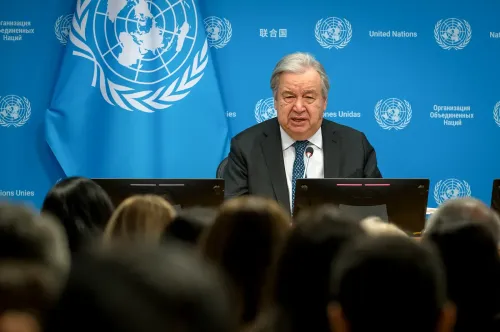
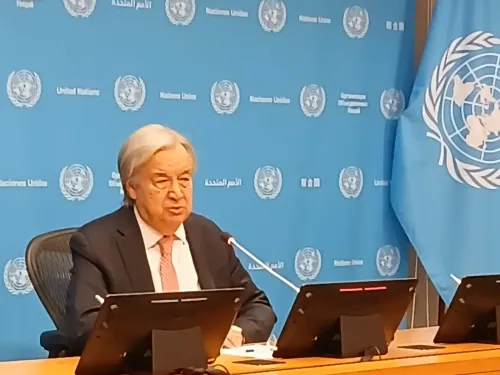
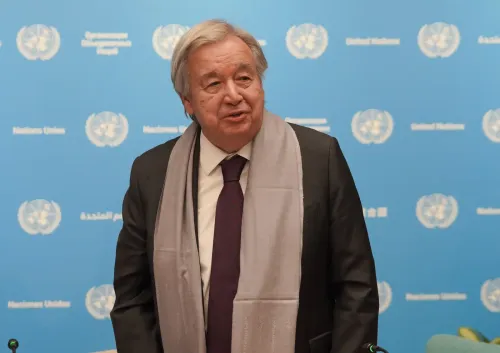
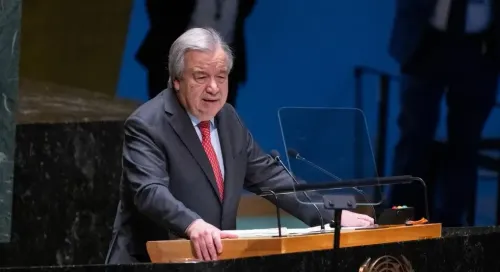
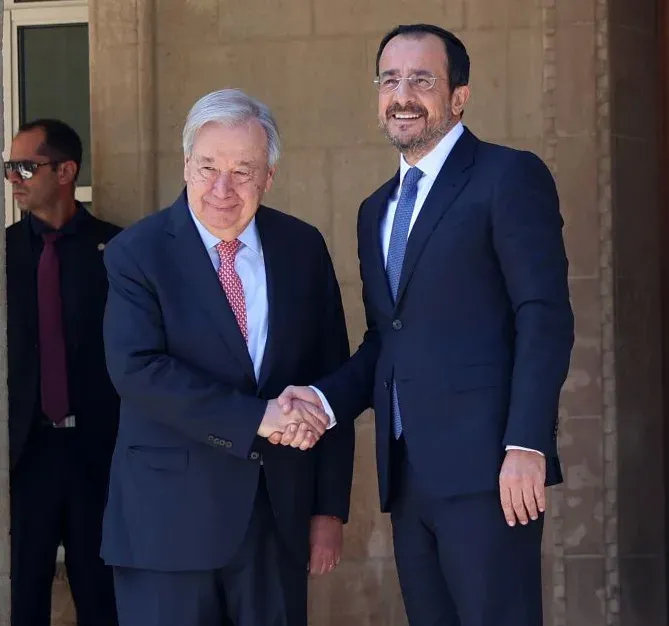
United Nations Secretary-General António Guterres on Wednesday, 29 July announced plans to convene a fresh enlarged meeting on the Cyprus issue, following a tripartite meeting in Nicosia with Cypriot President Nikos Christodoulides and Turkish Cypriot leader Tufan Erhurman. The announcement came during Guterres's first visit to Cyprus since assuming office — and the first by a sitting UN chief since Ban Ki-moon travelled to the island in early 2010.
Conditions for the Enlarged Meeting
Guterres stated the enlarged meeting would be convened only 'after adequate progress' is achieved on three fronts: confidence-building measures, the methodology of the meeting, and the substantive agenda of the talks. He set no deadline, but noted there was a 'consensus' among both communities and Cyprus's three guarantor powers — Greece, Turkey, and the United Kingdom — that such a meeting should take place.
Crucially, Guterres underlined that the UN did not want 'another enlarged meeting to end without result', stressing that 'adequate preparation' must precede any formal convening. The caution reflects the bitter experience of the 2017 Geneva Conference on Cyprus, which collapsed without agreement over security arrangements and the role of the guarantor powers.
What Guterres Said in Nicosia
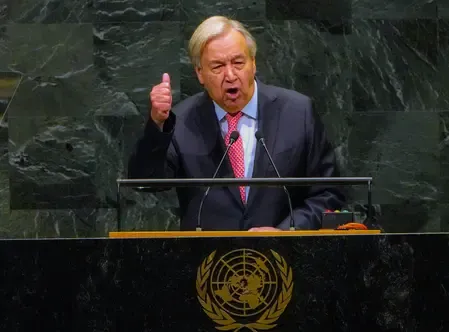
Meeting separately with President Christodoulides on Tuesday, Guterres described his visit as one 'of solidarity to the people of Cyprus' and reaffirmed his personal commitment to achieving a settlement. 'This visit is a visit of solidarity to the people of Cyprus and to show my strong commitment to make sure that we are able to have, finally, the solution in Cyprus,' he said.
He also acknowledged that a resolution 'depends, obviously, on the Cypriots themselves,' while adding that 'the guarantor powers also have a role to play' — a reference to the obligations enshrined in the 1960 Treaty of Guarantee that designated Britain, Greece, and Turkey as guarantors of Cypriot independence.
Historical Background
Cyprus gained independence from British colonial rule in 1960. In 1974, a coup by Greek army officers seeking union with Greece triggered a Turkish military intervention, leaving the island divided along lines that persist to this day. The United Nations has maintained a peacekeeping presence on the island ever since and has repeatedly mediated between the Greek Cypriot and Turkish Cypriot communities.
The most recent formal attempt at reunification — a UN-led conference in Geneva in January 2017, followed by further negotiations later that year — ended without agreement. An informal meeting under UN auspices in Geneva in March 2025 produced agreement on a set of confidence-building initiatives aimed at reviving the stalled process, setting the stage for Guterres's current push.
What Comes Next
No timeline has been set for the enlarged meeting, with its convening explicitly tied to measurable progress on preparatory groundwork. Observers will watch whether the confidence-building steps agreed in March 2025 translate into enough momentum to satisfy the UN's threshold for reconvening. The involvement of all three guarantor powers — whose divergent interests have historically been a key stumbling block — will be critical to any forward movement.
Point of View
Not just politics. The Cyprus file has a long history of high-profile summits that raised expectations and delivered nothing — each failure making the next attempt harder to sell to both communities. The guarantor powers remain the structural problem: Greece and Turkey's competing strategic interests in the eastern Mediterranean have deepened since 2017, not narrowed. Without a credible framework for their role post-settlement, confidence-building measures risk becoming an end in themselves rather than a bridge to final-status talks.
NationPress
28 Oct 2026
Frequently Asked Questions
What did UN Secretary-General Guterres announce on Cyprus?
Guterres announced plans to convene a new enlarged meeting on the Cyprus issue, but said it would only happen after 'adequate progress' on confidence-building measures, meeting methodology, and substantive issues. He set no deadline for the meeting.
Why is Guterres's Cyprus visit significant?
It was his first visit to Cyprus since taking office as UN Secretary-General, and the first by a sitting UN chief since Ban Ki-moon visited in early 2010. The visit signals renewed UN engagement with the long-running reunification effort.
Who are Cyprus's guarantor powers and what role do they play?
Under the 1960 Treaty of Guarantee, Greece, Turkey, and the United Kingdom are designated guarantor powers of Cyprus. Guterres noted all three share a consensus that an enlarged meeting should be held, though their divergent interests have historically been a major obstacle to a settlement.
What happened at the last major Cyprus peace talks?
A UN-led Conference on Cyprus opened in Geneva in January 2017, with further negotiations later that year, but ended without agreement over security arrangements and the role of the guarantor powers. A subsequent informal meeting in March 2025 produced agreement on confidence-building initiatives.
What conditions must be met before a new enlarged Cyprus meeting is held?
Guterres specified three conditions: progress on confidence-building measures, agreement on the meeting's methodology, and advancement on the substance of the talks. He stressed the UN does not want 'another enlarged meeting to end without result.'