BRICS New Delhi Declaration: UN chief hails multilateralism pledge at 18th summit
Synopsis
With the US under Trump pushing unilateralism, the BRICS New Delhi Declaration's unanimous endorsement of a UN-centred multilateral order carries unusual weight — and the UN Secretary-General's public welcome makes it more than just diplomatic boilerplate. This is the emerging world's clearest collective pushback yet against a unipolar power structure.
Key Takeaways
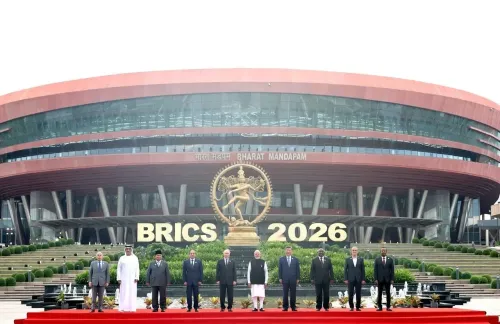
UN Secretary-General António Guterres on 16 September 2026 called the BRICS New Delhi Declaration's multilateralism commitment 'reassuring.' The New Delhi Declaration 2026 was adopted at the 18th BRICS Summit on 12 September 2026 in New Delhi .
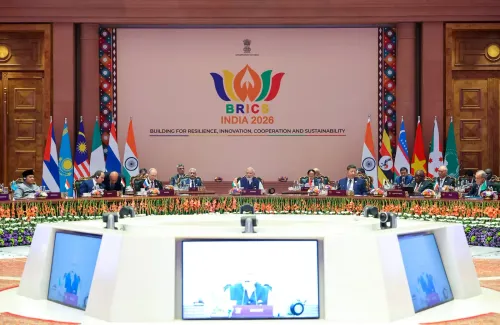
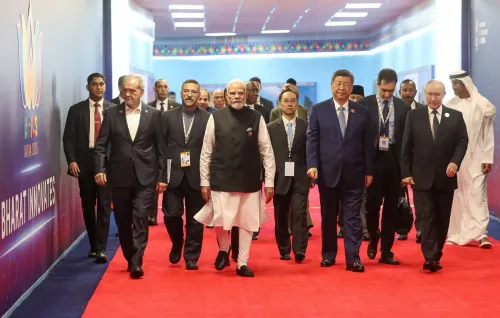
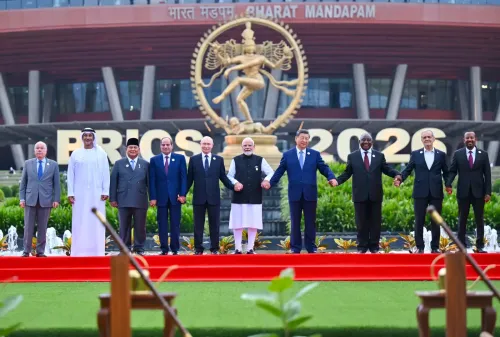
President Xi Jinping and President Vladimir Putin , both UN Security Council permanent members, attended the summit chaired by PM Narendra Modi .
The US , France , and Britain were absent; critics note the US under President Donald Trump has pursued a unilateralist stance against multilateral institutions.
The declaration also reaffirmed BRICS commitment to universal health coverage and the coordinating role of the World Health Organisation .
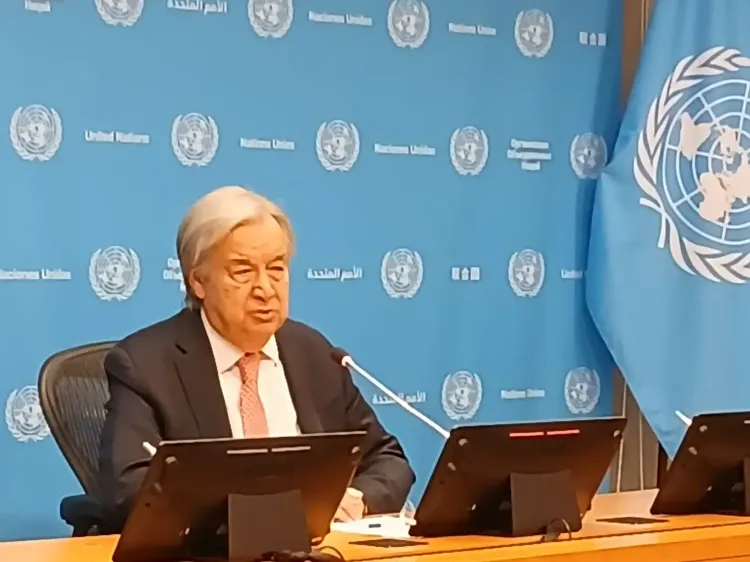
United Nations Secretary-General António Guterres on Wednesday, 16 September 2026 welcomed the declaration adopted at the 18th BRICS Summit in New Delhi, calling its 'strong commitment to multilateralism' reassuring and significant for global governance. The New Delhi Declaration 2026, adopted on 12 September, brought together major emerging economies in a unified reaffirmation of the United Nations-centred world order.
What Guterres Said
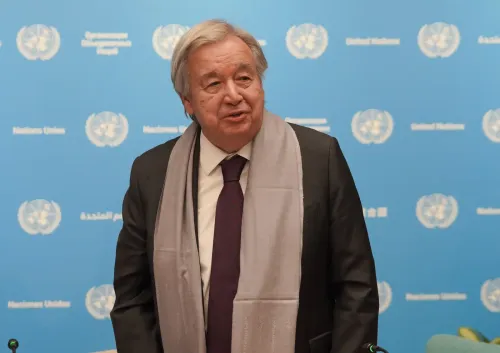
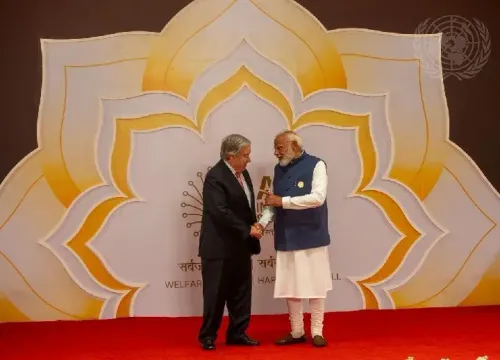
Speaking at a news conference, Guterres described it as 'important' that the summit had produced 'a common declaration with a strong commitment of all of them to multilateralism and by all of them to the United Nations.' He added: 'From that point of view, it is reassuring that a large number of the important powers that exist in the world believe that multilateralism is the way to address crises, and that the UN must be at the centre.'
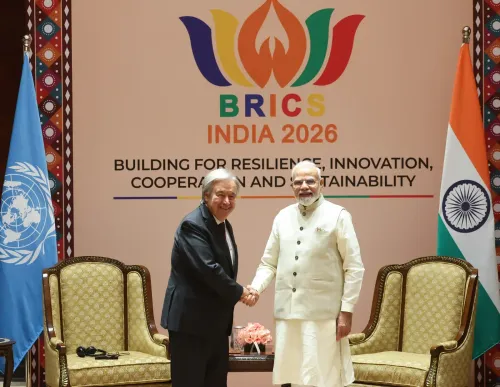
Guterres, who attended the summit himself, noted that not all members of the UN Security Council were present, but underlined that the attendance of 'important powers' carried considerable weight.
Key Leaders at the Summit
Chinese President Xi Jinping and Russian President Vladimir Putin — both permanent members of the UN Security Council — were present. Prime Minister Narendra Modi chaired the summit, while Brazil was represented by Foreign Minister Mauro Vieira. Notably, India and Brazil are among the countries that aspire to permanent Security Council membership and reportedly command wide support among UN member states for it.
The United States, France, and Britain were absent from the summit. BRICS is broadly seen as representing emerging economies that seek a greater say in international institutions they argue are disproportionately shaped by Western nations.
The US Factor and Multilateralism Under Pressure
The summit declaration carries particular significance given the current geopolitical climate. The US under President Donald Trump has, according to observers, pursued a markedly unilateralist posture — seeking to reduce the role of the UN and allied multilateral institutions. Critics argue that Trump has viewed BRICS as a challenge to a US-led unipolar global order. Against this backdrop, the collective BRICS endorsement of multilateralism is being read as a pointed counter-signal.
Health Cooperation and the Declaration's Scope
Beyond geopolitics, the New Delhi Declaration 2026 also deepened commitments in global health. The declaration welcomed expanded cooperation in health initiatives and reaffirmed the bloc's commitment to 'universal health coverage through resilient, inclusive, and people-centred approaches.'
The document stated: 'We recognise the significance of continued cooperation among the BRICS members and the necessity of sharing valuable experiences, innovations and best practices for improving health outcomes across the BRICS countries. We reiterate our shared conviction that multilateral cooperation in health must be preserved and reinforced, emphasising the vital coordinating role of the World Health Organisation.'
What Comes Next
The New Delhi Declaration now forms the diplomatic baseline for BRICS engagement through the next summit cycle. With global institutions under pressure from rising nationalism and geopolitical fracture, whether the bloc's multilateralism pledge translates into coordinated action — on health, trade, and security — will be closely watched in the months ahead.
Point of View
And doing so here is a signal of how strained the multilateral system has become under US pressure. The absence of Washington, London, and Paris from the table means the declaration's practical weight depends on whether BRICS can translate consensus communiqués into coordinated votes and funding at the UN itself, something the bloc has historically struggled to do. India's position is especially complex: Modi chaired a summit that implicitly rebuked Trump's unilateralism, even as New Delhi continues to court Washington on trade and defence. That balancing act will only grow harder as the BRICS-West fault line deepens.
NationPress
17 Sept 2026
Frequently Asked Questions
What did UN Secretary-General Guterres say about the BRICS New Delhi Declaration?
Guterres called it 'reassuring' that a large number of important global powers had committed to multilateralism and affirmed the UN's central role. He described the common declaration as 'important' at a news conference on 16 September 2026.
What is the BRICS New Delhi Declaration 2026?
It is the official communiqué adopted at the 18th BRICS Summit held in New Delhi on 12 September 2026. The declaration reaffirms the bloc's commitment to multilateralism, the UN-centred world order, and expanded cooperation on global health, including support for the World Health Organisation.
Which world leaders attended the 18th BRICS Summit in New Delhi?
Chinese President Xi Jinping and Russian President Vladimir Putin attended, along with Indian Prime Minister Narendra Modi who chaired the summit. Brazil was represented by Foreign Minister Mauro Vieira. The US, France, and Britain were not present.
Why is the BRICS multilateralism declaration significant given current global politics?
The US under President Donald Trump has pursued a markedly unilateralist foreign policy and has reportedly opposed BRICS, viewing it as a challenge to US-led global order. A unified BRICS endorsement of multilateralism is therefore seen as a direct counter to that stance, especially with UN Secretary-General Guterres publicly welcoming it.
What did the New Delhi Declaration say about global health?
The declaration welcomed deeper BRICS cooperation on global health initiatives and reaffirmed the bloc's commitment to universal health coverage. It also emphasised the 'vital coordinating role' of the World Health Organisation and called for multilateral health cooperation to be 'preserved and reinforced.'