What Are the New Age Limits for Tourist Vehicles in Haryana?
Synopsis
The Haryana Cabinet has set new age limits for tourist vehicles under the Haryana Motor Vehicles Rules, 1993, while also approving the Haryana Municipal Bill, 2025, aiming to modernize urban governance. This pivotal reform consolidates various municipalities into one legal framework, promoting efficient administration and financial autonomy.
Key Takeaways
New age limits for tourist vehicles: 12 years for petrol/CNG, 10 years for diesel in NCR.
Haryana Municipal Bill, 2025: Aims to unify municipal laws.
Streamlined governance: Reduces complexity and improves service delivery.
Financial autonomy: Municipalities can set taxes and fees.
Modernization: Addresses the needs of urbanization.
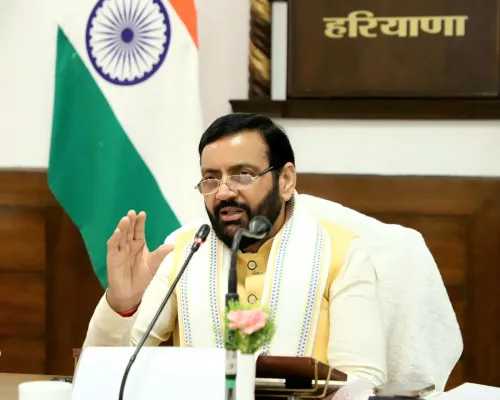
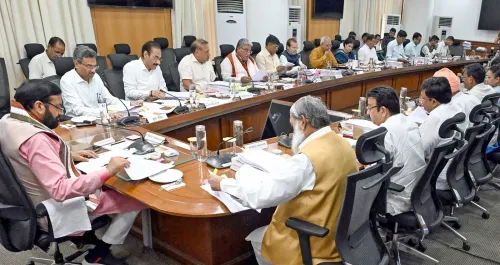
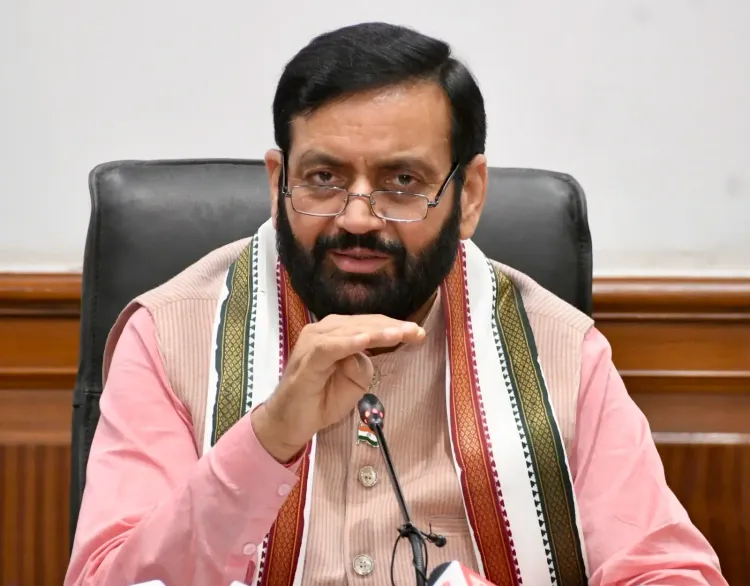
Chandigarh, Dec 8 (NationPress) The Haryana Cabinet, led by Chief Minister Nayab Singh Saini, has officially approved regulations to establish age limits for tourist vehicles as per the Haryana Motor Vehicles Rules, 1993.
These new regulations, referred to as the Haryana Motor Vehicles (Amendment) Rules, 2025, state that vehicles operating under all-India tourist permits in the NCR region may operate for up to 12 years if they run on petrol or CNG. In contrast, diesel vehicles in this category will have a maximum operational age of 10 years.
In non-NCR areas, all-India tourist permit vehicles running on petrol, CNG, and diesel will be allowed to operate for a maximum of 12 years.
For other permits, including stage carriage, contract carriage, goods carriage, and school buses in the NCR region, the maximum operational age is set at 15 years for vehicles using petrol, CNG, electric, or other eco-friendly fuels.
However, for diesel vehicles under these permits, the operational age is limited to 10 years exclusively in the NCR region.
In non-NCR areas, all other permits will also have a maximum operational age of 15 years for vehicles using petrol, CNG, electric, or other clean fuels and diesel.
The Cabinet also initiated a significant reform in urban governance by endorsing the Haryana Municipal Bill, 2025, intended to replace the outdated Haryana Municipal Act, 1973, and the Haryana Municipal Corporation Act, 1994.
This new unified legislation aims to consolidate all types of municipalities—municipal corporations, municipal councils, and municipal committees—under a single legal framework.
Currently, 87 municipalities operate under two distinct Acts, which leads to administrative inconsistencies and challenges in rule interpretation, as highlighted in an official statement.
The department has engaged in thorough consultations over the past two years to draft this legislation, incorporating relevant elements from the Model Municipal Law issued by the government of India.
The Haryana Municipal Bill, 2025 seeks to enhance governance, eliminate ambiguities, modernize municipal administration, and boost the financial independence of urban local bodies.
Key features include empowering municipalities to set tax and fee structures within government-mandated limits and provisions for credit ratings to support market borrowings.
This Act also introduces measures for urban transport planning, urban forestry, and the prohibition of illegal colonies in line with the Haryana Development and Regulation of Urban Areas Act, 1975.
Furthermore, the Act proposes standardized service rules for municipal staff to minimize litigation related to transfers and promotions under varied legal frameworks. An appointment provision for a municipal magistrate for municipal offense trials and increased penalties for violations are also included. This initiative represents a crucial advancement toward establishing a modern, cohesive, and efficient municipal governance system across Haryana, attuned to the current and future demands of urbanization.
Point of View
The Haryana Cabinet's decisions reflect a proactive approach to urban governance and sustainable transport. By setting clear age limits for vehicles and consolidating municipal laws, Haryana is positioning itself to better manage its urban challenges, enhancing service delivery and accountability. This initiative not only addresses local needs but also sets a precedent for other states to follow.
NationPress
30 Sept 2026