Anna Hazare urges PM Modi: Minister's resignation will strengthen govt
Synopsis
Anna Hazare has told PM Modi that accepting a minister's resignation over the NEET paper leak would strengthen — not weaken — the government. With 2.2 million students affected and 22 lives reportedly lost to exam-related despair, Hazare is framing this as a test of democratic accountability, not a political crisis.
Key Takeaways
Anna Hazare wrote to PM Narendra Modi on 22 July urging ministerial accountability over NEET irregularities.
Hazare argued that accepting a minister's resignation over exam failures would strengthen, not weaken, the government.
The NEET paper leak has affected nearly 2.2 million candidates in two consecutive years ( 2024 and 2025 ).
Citing media reports, Hazare expressed anguish over the reported loss of 22 young lives linked to re-examination distress.
Hazare called the police crackdown on Sonam Wangchuk's 25-day agitation in New Delhi 'deeply distressing' and urged dialogue instead.
He urged the Centre to uphold Gandhian principles and engage openly with protesting students and parents.
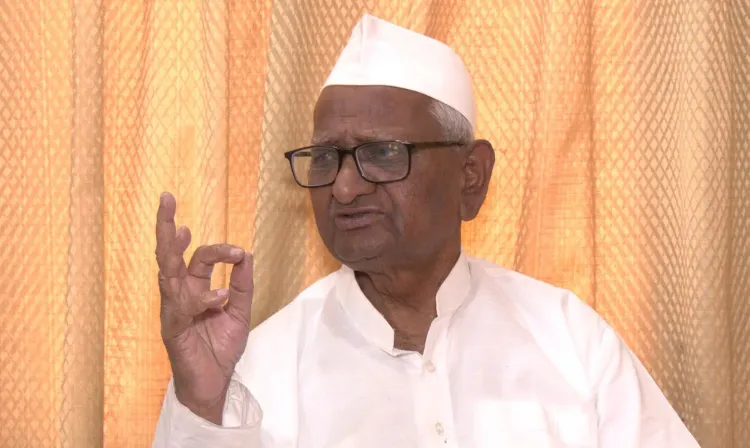
Veteran social activist Anna Hazare has written to Prime Minister Narendra Modi, urging him to enforce ministerial accountability over recurring national examination irregularities and to initiate constructive dialogue with climate and youth activist Sonam Wangchuk. The letter, dated 22 July, comes amid sustained public pressure over the NEET paper leak controversy and a 25-day agitation in New Delhi.
The Accountability Argument
Hazare argued that accepting the resignation of the minister responsible for systemic examination failures would signal administrative resolve, not political weakness. He wrote that such an action would send a clear message to other ministers that failure to discharge responsibilities would mean relinquishing their posts — making the government more accountable and effective overall.
He also pointed to a persistent pattern in public administration where lower-level officials bear the brunt of disciplinary action during scams, while senior leadership claims credit for successes. Hazare asserted that ultimate responsibility for departmental failures must rest with top leadership.
NEET Paper Leak and Student Distress
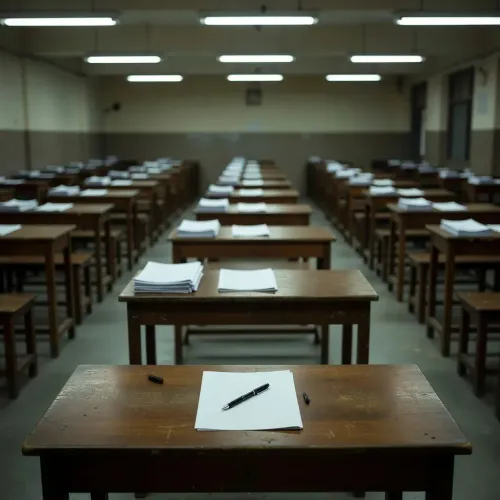
Highlighting the National Eligibility cum Entrance Test (NEET), Hazare noted that serious paper leak allegations had plagued the examination in 2024 and resurfaced in the current year, directly affecting nearly 2.2 million candidates. Citing media reports, he expressed anguish over the reported loss of 22 young lives due to despair and distress surrounding re-examination uncertainties.
Hazare stressed that the anxieties of millions of youth over delayed recruitments, paper leaks, and widespread unemployment represent genuine public grief — not routine law-and-order matters. This is at least the second consecutive year that NEET irregularities have triggered nationwide student protests, underscoring what critics describe as a structural failure in India's examination governance.
Sonam Wangchuk and the New Delhi Agitation
Addressing the ongoing 25-day agitation in New Delhi, Hazare called reports of police crackdowns and the forcible removal of Sonam Wangchuk from his fast venue 'deeply distressing'. He criticised the administration for relying on heavy-handed police action instead of deputing senior government representatives to engage in meaningful dialogue with protesters.
Hazare cautioned against treating public discontent strictly as a law-and-order issue or misreading peaceful dissent as political opposition — a framing, he argued, that undermines democratic norms.
Gandhian Appeal to the Prime Minister
Advising the Union Government to abide by democratic values and Gandhian principles, Hazare urged PM Modi to listen patiently to protesting students and parents, build mutual trust, and resolve systemic issues through open discussion rather than administrative force. The appeal carries symbolic weight given Hazare's long association with anti-corruption and governance reform movements in India.
With the NEET controversy yet to be fully resolved and the Wangchuk agitation continuing, the government's response to Hazare's letter is likely to be closely watched by civil society and opposition parties alike.
Point of View
With 2.2 million students affected each cycle, suggest that personnel accountability alone will not fix a broken examination architecture. The government's instinct to treat the Wangchuk agitation as a law-and-order problem rather than a dialogue opportunity is also telling — it mirrors the pattern Hazare himself once faced in 2011, and the political costs of that approach were steep. Whether Modi heeds a Gandhian elder or manages the optics differently this time will say something about how the third term handles dissent.
NationPress
21 Oct 2026
Frequently Asked Questions
What did Anna Hazare write to PM Modi about?
Anna Hazare wrote to Prime Minister Narendra Modi on 22 July urging him to enforce ministerial accountability over recurring NEET paper leaks and to initiate dialogue with activist Sonam Wangchuk. He argued that accepting the resignation of the minister responsible would strengthen the government's credibility, not weaken it.
How many students were affected by the NEET paper leak?
According to Hazare's letter, nearly 2.2 million candidates were directly affected by serious paper leak allegations that plagued the NEET examination in 2024 and resurfaced in the current year. Hazare also cited media reports indicating 22 young lives were lost due to distress over re-examination uncertainties.
Who is Sonam Wangchuk and why is he protesting?
Sonam Wangchuk is a youth and environmental activist who has been leading a 25-day agitation in New Delhi. Hazare's letter references reports of police crackdowns and the forcible removal of Wangchuk from his fast venue, calling the administration's response 'deeply distressing' and urging meaningful dialogue instead.
What is Anna Hazare's argument for ministerial resignation?
Hazare argues that accepting a minister's resignation over systemic examination failures would send a clear signal to all ministers that failure to discharge responsibilities has consequences. He contends this would make the government more accountable and effective, rather than politically weaker.
What broader issues did Hazare raise in his letter?
Beyond NEET, Hazare raised concerns about delayed recruitments, widespread unemployment, and the government's tendency to take disciplinary action against lower-level officials while shielding senior leadership. He urged the Centre to uphold democratic and Gandhian values and engage openly with protesting students and parents.