Char Dham Yatra: Health Camps & OPDs Set Up Along Pilgrimage Route
Synopsis
Over 1,000 pilgrims have already used health camps and OPDs set up along the Char Dham Yatra route in Uttarakhand since the pilgrimage began on April 19. With five screening teams at each transit camp and dedicated rest stops, the state administration — under CM Dhami's watch — is deploying its most robust medical safety net yet for the high-altitude Hindu pilgrimage.
Key Takeaways
Char Dham Yatra 2025 began on April 19 with Yamunotri and Gangotri; Kedarnath and Badrinath opened on April 22 and April 23 respectively.
Special transit health camps with five screening teams each have been deployed along the yatra route, focusing on pilgrims above 50 years of age .
OPD facilities have been set up alongside transit camps to provide medicines and medical consultations to pilgrims in need.
Over 1,000 pilgrims have already used the health screening and OPD services since the pilgrimage commenced.
OSD Prajapati Nautiyal urged all pilgrims to read the Uttarakhand Health Department's advisory before beginning their journey.
Chief Minister Pushkar Singh Dhami is personally and continuously monitoring the Char Dham Yatra 2025 arrangements.
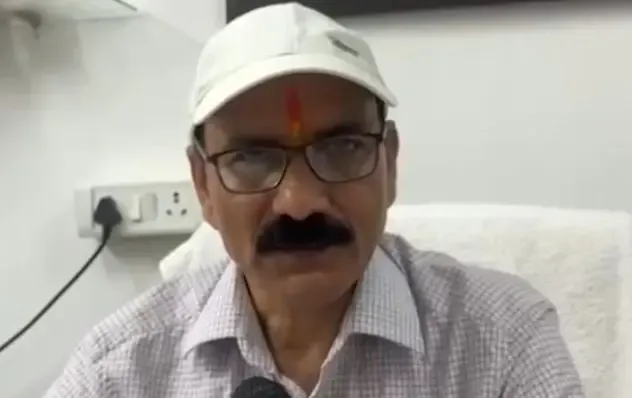
Rishikesh, April 26: Special health screening transit camps and Out Patient Departments (OPDs) have been established along the Char Dham Yatra route in Uttarakhand, ensuring medical support for lakhs of pilgrims undertaking the sacred Hindu pilgrimage this season. Prajapati Nautiyal, Officer on Special Duty (OSD) for the Char Dham Yatra Administration Organisation, confirmed the development on Sunday, April 26, emphasizing that the administration is leaving no stone unturned to safeguard pilgrim health amid challenging mountain terrain and weather conditions.
Health Infrastructure Deployed Along Yatra Route
According to Nautiyal, each transit camp along the Char Dham Yatra route is staffed with five dedicated health screening teams. These teams are specifically focused on pilgrims above 50 years of age, who are considered more vulnerable to altitude-related health complications.
Screenings cover critical parameters including blood pressure and blood sugar levels. The OPD facilities set up alongside these camps are ensuring that pilgrims receive required medicines promptly and under proper medical guidance.
"If you feel any symptoms such as dizziness, chest pain, or headache, you should get proper health screening done or visit an OPD and consult the medical teams available along the yatra routes," Nautiyal urged pilgrims.
Over 1,000 Pilgrims Already Screened Since Yatra Began
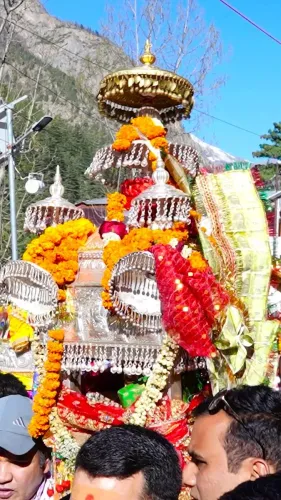
The Char Dham Yatra 2025 commenced on April 19 with the ceremonial opening of the portals of Yamunotri and Gangotri temples. The sacred shrines of Kedarnath Dham and Badrinath Dham were subsequently opened on April 22 and April 23 respectively.
In just the first few days since the yatra began, more than 1,000 pilgrims have already availed health screening services and OPD facilities at the camps, according to data compiled by the administration. This early uptake signals growing pilgrim awareness about health precautions at high-altitude pilgrimage sites.
The Uttarakhand Health Department has also issued a comprehensive health advisory for pilgrims, which Nautiyal strongly urged every devotee to read and understand before beginning their journey. "We expect all pilgrims to read and understand this advisory before starting their journey and plan accordingly," he said.
Rest Camps and Administrative Arrangements
Beyond medical facilities, the administration has also set up dedicated rest camps at multiple points along the yatra route, allowing pilgrims to halt and recuperate during their physically demanding trek. These arrangements have been specifically designed keeping in mind the high-altitude terrain and unpredictable weather conditions prevalent in the Garhwal Himalayan region.
"The government and the administration have made arrangements at several areas of the yatra route, where the pilgrims can halt and take rest from time to time," Nautiyal stated, underlining the administration's comprehensive approach to pilgrim welfare.
Chief Minister Dhami Monitoring Yatra Progress
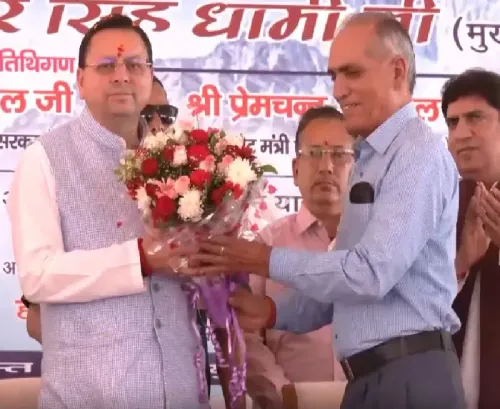
Uttarakhand Chief Minister Pushkar Singh Dhami is personally and continuously monitoring the progress and safety arrangements of the Char Dham Yatra 2025, according to Nautiyal. "The government and the administration are making all possible efforts to make the journey a safe and successful one. The Chief Minister is also constantly monitoring the yatra," he added.
This level of administrative oversight is significant given the Char Dham Yatra's history of health-related fatalities in previous years. In 2022, over 100 pilgrims lost their lives during the yatra — many due to cardiac arrests and altitude sickness — prompting the state government to significantly scale up medical infrastructure in subsequent years.
Why This Matters: Pilgrim Safety at High Altitude
The Char Dham Yatra attracts millions of devotees annually, many of whom are elderly or have pre-existing health conditions. The Kedarnath shrine sits at an altitude of approximately 3,583 metres, while Badrinath is at 3,133 metres — elevations that can trigger acute mountain sickness, cardiac stress, and respiratory distress, particularly in unprepared pilgrims.
The deployment of health screening camps and OPDs this year reflects a policy shift toward proactive medical intervention rather than reactive emergency response — a model that health experts and pilgrimage management authorities have long advocated. With the yatra expected to draw tens of lakhs of devotees over the coming weeks, the adequacy and reach of these health facilities will be closely watched.
As the pilgrimage season progresses through May and June 2025, authorities are expected to scale up medical personnel and resources at key bottleneck points along the route, particularly around Gaurikund and Joshimath, where pilgrim density tends to peak.
Point of View
When over 100 pilgrims died — many from preventable cardiac and altitude-related events. While the optics of 1,000 screenings in a week are positive, the real test will come as pilgrim numbers surge into the millions over May and June. The deeper question is whether these camps are adequately staffed and equipped at the most remote and high-altitude stretches of the route, or whether they remain concentrated near accessible base points. Accountability in pilgrim safety cannot be seasonal — it must be systemic.
NationPress
16 Sept 2026
Frequently Asked Questions
What health facilities are available along the Char Dham Yatra route in 2025?
Special transit camps with five health screening teams each and Out Patient Department (OPD) facilities have been set up along the Char Dham Yatra route in 2025. Pilgrims can get screened for blood pressure, blood sugar, and other conditions, and receive required medicines at these OPDs.
When did Char Dham Yatra 2025 begin?
Char Dham Yatra 2025 began on April 19 with the opening of Yamunotri and Gangotri temple portals. Kedarnath Dham opened on April 22 and Badrinath Dham on April 23.
Who is eligible for free health screening at Char Dham Yatra camps?
All pilgrims can access health facilities, but those above 50 years of age are being specifically prioritized for screening at transit camps. Screenings cover blood pressure, blood sugar levels, and general health checks.
How many pilgrims have been screened at Char Dham health camps so far?
According to OSD Prajapati Nautiyal, over 1,000 pilgrims have already undergone health screening and utilized OPD facilities since the Char Dham Yatra began on April 19, 2025.
What symptoms should Char Dham pilgrims watch out for during the yatra?
Pilgrims should watch for symptoms like dizziness, chest pain, and headache, which can indicate altitude sickness or cardiac stress. The Uttarakhand Health Department has issued a detailed health advisory urging pilgrims to seek immediate medical attention if such symptoms arise.