Israel Launches Targeted Ground Assaults on Hezbollah in Southern Lebanon
Synopsis
Tensions escalate as the Israel Defense Forces initiate targeted operations against Hezbollah in southern Lebanon, part of a broader conflict involving Iran. Discover the implications of these military actions and their impact on regional stability.
Key Takeaways
IDF has initiated targeted ground operations against Hezbollah in southern Lebanon.
Israeli Defense Minister emphasizes the need to protect northern residents.
Intense clashes reported along multiple border fronts.
The conflict is part of a broader escalation involving Iran.
Israel has conducted strikes on Iranian military assets.
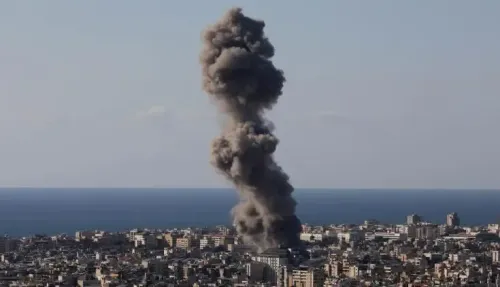
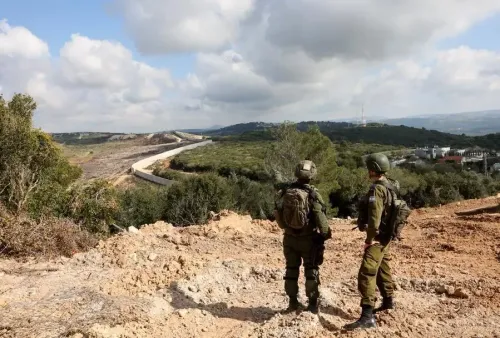
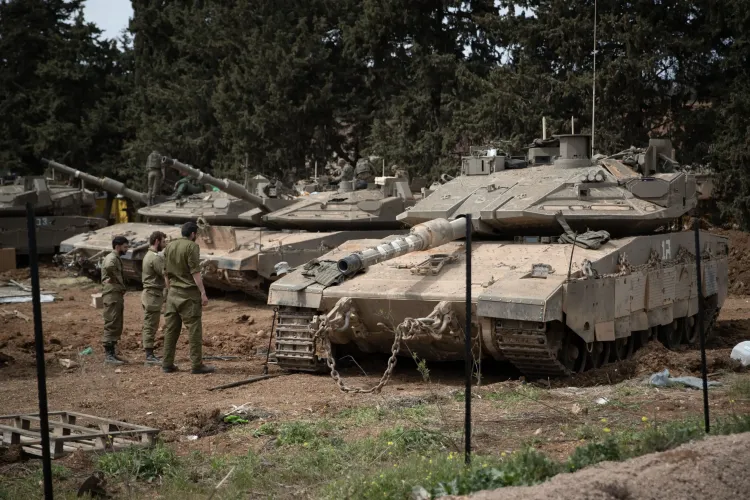
Jerusalem, March 16 (NationPress) The Israel Defense Forces (IDF) declared on Monday that it has initiated "limited and targeted ground operations" aimed at significant Hezbollah strongholds in southern Lebanon.
Israeli Defense Minister Israel Katz verified the operation, stating its purpose is "to eliminate threats and safeguard the residents of northern Israel."
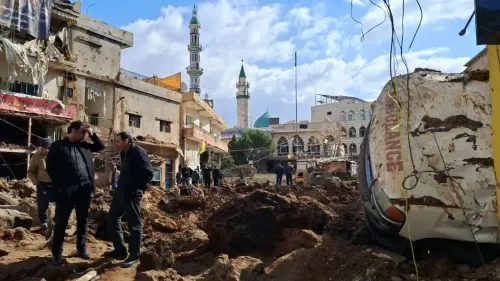
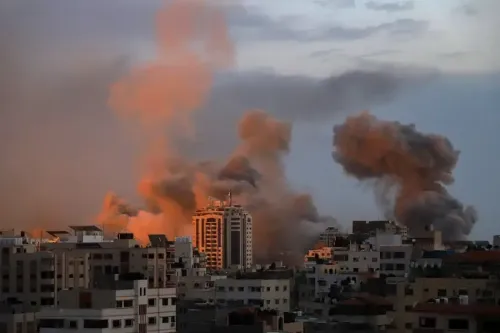
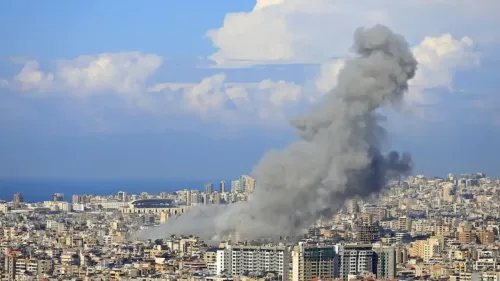
Reports from security sources and eyewitness accounts indicate intense confrontations between Israeli forces and Hezbollah fighters along various border fronts. Israeli troops are advancing towards the Blue Line, the UN-designated border between Israel and Lebanon, setting up positions in towns and vital areas throughout the border region.
This escalation is part of a larger intensification of the conflict in the Middle East, which began on February 28 with a US-Israeli airstrike campaign against Iran. Hezbollah, a dominant force in southern Lebanon and a crucial ally of Iran, has frequently engaged in rocket and drone exchanges with Israeli troops since renewing its attacks on March 2, just two days after the assassination of Iran's former Supreme Leader Ali Khamenei in a US-Israeli operation.
Hezbollah militants have strengthened their defenses and resisted Israeli advances, resulting in some of the most severe border clashes since a fragile ceasefire concluded a previous year-long conflict in late 2024, as reported by Xinhua news agency. That ceasefire had halted extensive hostilities that displaced hundreds of thousands and inflicted significant infrastructural damage on both sides.
Additionally, on Monday, the Israeli military reported that it had targeted and destroyed an aircraft utilized by Iran's senior leadership at Tehran's Mehrabad Airport, asserting that this strike would disrupt coordination between Tehran and its regional allies. The IDF also claimed responsibility for airstrikes on infrastructure in various Iranian cities.
In its statement, the IDF indicated that the aircraft had been used for both domestic and international travel by senior political and military figures. The military noted that the elimination of the aircraft would hinder communication between Iran's leadership and allied groups in the region, slow down Tehran's military expansion, and restrict its capacity to restore compromised capabilities.
The aircraft, identified as an Airbus A340, had previously transported senior leaders, including President Masoud Pezeshkian and, in the past, Supreme Leader Ali Khamenei, for diplomatic missions abroad. Iranian officials did not immediately confirm the strike, as reported by Xinhua news agency.
Mehrabad Airport, one of the oldest aviation hubs in western Tehran, primarily serves domestic flights while Tehran's Imam Khomeini International Airport manages most long-haul international traffic. Nevertheless, Mehrabad remains Iran's busiest domestic airport and hosts military facilities, including units of the Iranian Air Force.
In a separate development, the IDF announced on Monday that it conducted strikes on targets in the Iranian cities of Tehran, Shiraz, and Tabriz, marking the 17th day of the US-Israeli campaign against Iran.
Point of View
The recent military actions by the IDF against Hezbollah in southern Lebanon reflect a significant escalation in regional tensions. This development is a key part of an ongoing conflict that raises critical questions about security, diplomacy, and the future of peace in the region. It is essential to approach this situation with a focus on facts and a commitment to understanding the complexities involved.
NationPress
22 Sept 2026
Frequently Asked Questions
What initiated the recent conflict between Israel and Hezbollah?
The recent conflict was initiated by a series of exchanges of fire and escalated following the assassination of Iran's former Supreme Leader, leading to targeted military operations by Israel against Hezbollah.
What are the objectives of the IDF's ground operations?
The IDF's operations aim to eliminate perceived threats from Hezbollah and ensure the safety of residents in northern Israel.
How has Hezbollah responded to Israeli actions?
Hezbollah has fortified its positions and engaged in fierce confrontations with Israeli forces, marking some of the most intense clashes since the previous ceasefire.
What was the significance of the strike on the Iranian aircraft?
The strike on the Iranian aircraft is intended to disrupt communication between Iranian leaders and regional allies, impacting Iran's military capabilities.
What is the current status of the conflict?
As of now, the conflict has intensified with ongoing military operations and strikes in both Lebanon and Iran, raising concerns about further escalation.