IMD issues heavy rain alert for Delhi-NCR, Gujarat on July 25 monsoon surge

Synopsis
The IMD's 25 July advisory puts over a dozen states — from Delhi-NCR to Gujarat's flood-prone districts — under heavy to extremely heavy rain warnings, driven by a low-pressure system over Rajasthan-MP. With winds up to 85 kmph, landslide risks in the hills, and flooding threats in Ahmedabad and Mumbai, this is one of the broader multi-state monsoon alerts of the 2025 season.
Key Takeaways
The IMD issued a fresh monsoon advisory on 25 July covering Delhi-NCR , Gujarat , Rajasthan , Maharashtra , Himachal Pradesh , Uttarakhand , and other states.
Gujarat faces the most intense rainfall, with isolated areas likely to see extremely heavy showers and localised flooding.
A low-pressure area over southeast Rajasthan and adjoining Madhya Pradesh is driving the active monsoon conditions.
Gusty winds of up to 85 kmph are expected in some areas; hilly regions face landslide risks .
Rainfall intensity is forecast to increase from 27 July onward, with heavy activity persisting for the next two to four days .
Warnings have also been issued for Uttar Pradesh , Bihar , Assam , Meghalaya , and northeastern states.
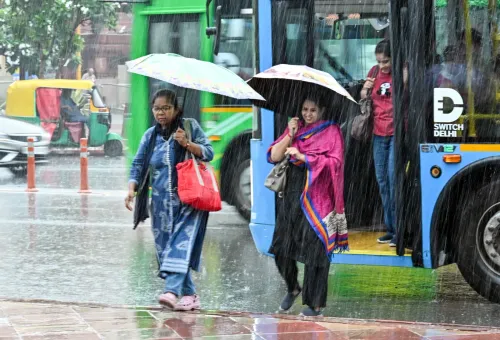
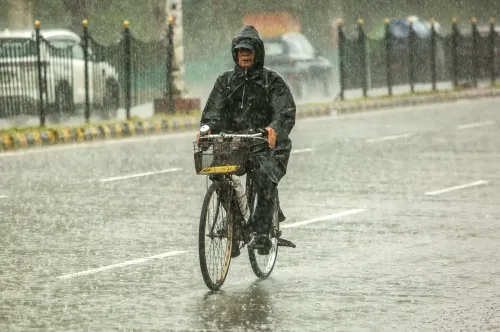
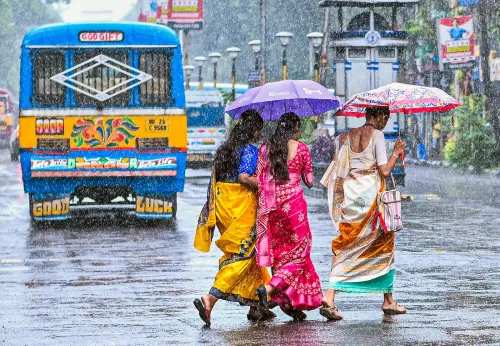
The India Meteorological Department (IMD) on Saturday, 25 July issued a fresh weather advisory forecasting heavy to very heavy rainfall across multiple states over the next several days, as the southwest monsoon remains vigorously active. Delhi-NCR, Gujarat, and several other regions are on alert, with isolated areas expected to bear the brunt of extremely heavy downpours.
States Under the Weather Watch
The IMD has flagged widespread rain, thunderstorms, lightning, and gusty winds for a broad swathe of the country — including Delhi-NCR, Rajasthan, Himachal Pradesh, Uttarakhand, Punjab, Madhya Pradesh, Odisha, Gujarat, Assam, Meghalaya, and other northeastern states. Gujarat is projected to see the most intense rainfall during this period, with isolated pockets likely to receive extremely heavy showers.
In Delhi and adjoining NCR, light to moderate rainfall accompanied by thunderstorms is expected on Saturday, with activity set to intensify from 27 July onward. Cloudy skies, humid conditions, and near-seasonal temperatures are forecast to persist through the period.
What Is Driving the Active Monsoon
The IMD attributed the sustained rainfall to a low-pressure area over southeast Rajasthan and adjoining Madhya Pradesh. This system, combined with an active monsoon trough and multiple cyclonic circulations, is expected to sustain widespread rain across northwest, central, western, and northeastern India over the coming days. This is a classic mid-monsoon intensification pattern, where overlapping weather systems amplify rainfall well beyond seasonal averages.
Flooding and Disruption Risks
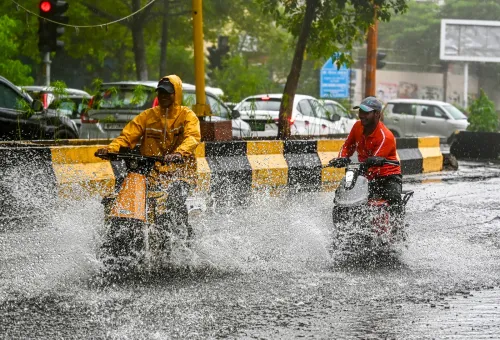
Authorities have cautioned that waterlogging in low-lying areas and traffic congestion may occur along Maharashtra's coastal belt, where Mumbai and the Konkan region are also expected to receive heavy to very heavy rainfall. In Gujarat, Ahmedabad and surrounding districts face a risk of localised flooding and disruptions to normal life. Jaipur and several districts in eastern Rajasthan are likely to receive heavy rainfall with isolated extremely heavy spells, accompanied by lightning.
The department also warned that hilly regions — particularly in Himachal Pradesh and Uttarakhand — could face landslide risks, while gusty winds of up to 85 kmph in parts of eastern India may uproot trees and disrupt transport and power supply. Rain and thunderstorm warnings have additionally been issued for Uttar Pradesh and Bihar.
Advisories for Residents
Authorities across affected states have urged residents to exercise caution, avoid low-lying and flood-prone areas, and stay indoors during periods of intense lightning and strong winds. Disaster response agencies in Gujarat and Maharashtra have reportedly been placed on standby given the risk of localised flooding. Rainfall activity is expected to remain elevated through at least the next two to four days, according to the IMD.
Point of View
And the combination of a low-pressure system with active cyclonic circulations is precisely the setup that has triggered flash floods in recent years. The landslide warning for Himachal and Uttarakhand also deserves more attention than it typically gets — hill-state disaster response remains chronically under-resourced relative to the frequency of such events. Authorities placing disaster teams on standby is the right call, but public communication on evacuation routes and waterlogging hotspots remains patchy across most states.
NationPress
23 Oct 2026
Frequently Asked Questions
Which states are under IMD heavy rain alert on 25 July 2025?
The IMD has issued heavy to very heavy rain warnings for Delhi-NCR, Gujarat, Rajasthan, Himachal Pradesh, Uttarakhand, Punjab, Madhya Pradesh, Odisha, Assam, Meghalaya, Maharashtra, Uttar Pradesh, and Bihar, among others. Gujarat and northeastern states face the highest intensity alerts.
What is causing the heavy rainfall across India right now?
A low-pressure area over southeast Rajasthan and adjoining Madhya Pradesh, combined with an active monsoon trough and multiple cyclonic circulations, is sustaining widespread rainfall across northwest, central, western, and northeastern India. These overlapping weather systems are a classic mid-monsoon intensification pattern.
When will the heavy rain peak, and how long will it last?
According to the IMD, rainfall activity is expected to intensify from 27 July onward and remain elevated for the next two to four days. Isolated areas could experience extremely heavy spells during this window.
What are the main risks associated with this monsoon alert?
Key risks include localised flooding and waterlogging in low-lying areas — particularly in Ahmedabad and Mumbai — landslides in hilly regions of Himachal Pradesh and Uttarakhand, and disruptions to transport and power supply from gusty winds of up to 85 kmph in eastern India.
What precautions should residents take during this monsoon alert?
Authorities have advised residents to avoid low-lying and flood-prone areas, stay indoors during heavy lightning and strong winds, and follow updates from local disaster management agencies. Disaster response teams in Gujarat and Maharashtra have reportedly been placed on standby.