What Key Agreements Did India and Malaysia Sign?
Synopsis
In a landmark meeting, India and Malaysia signed six pivotal agreements focusing on economic and cultural cooperation. The partnership seeks to enhance trade, investment, and security collaboration, marking a significant step in their Comprehensive Strategic Partnership.
Key Takeaways
Six key agreements signed between India and Malaysia.
Focus on enhancing trade and investment collaboration.
Establishment of the Thiruvalluvar Centre at Universiti Malaya .
Introduction of bilateral payment linkages via UPI.
Malaysia's entry into the International Big Cat Alliance .
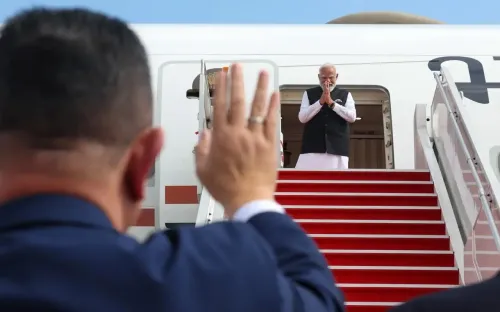
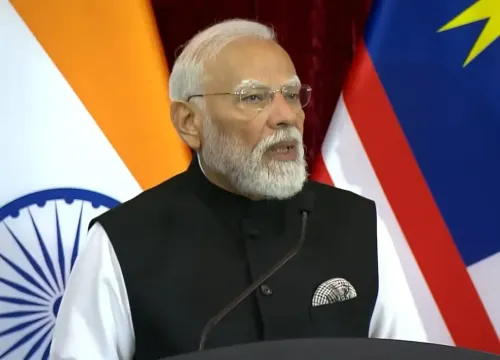
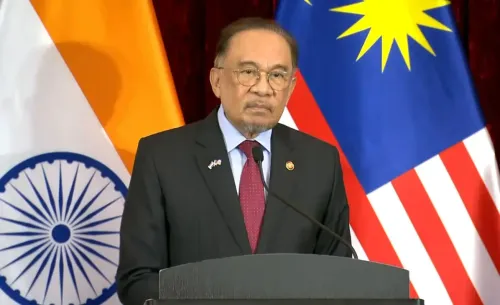
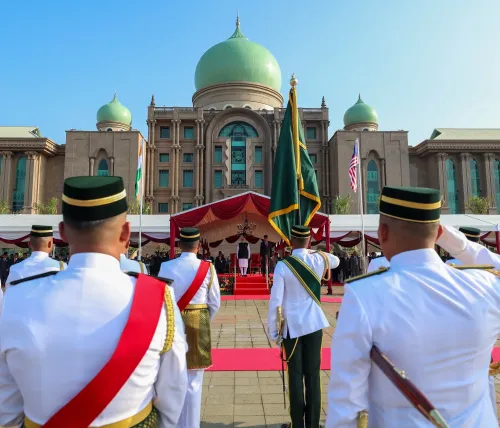
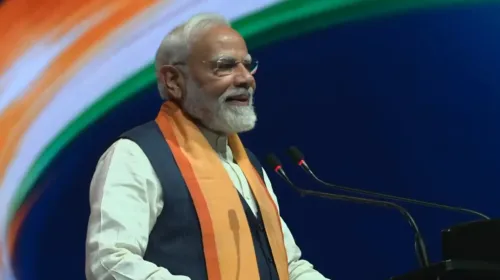
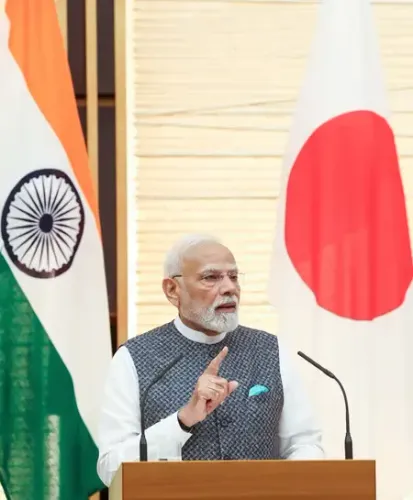
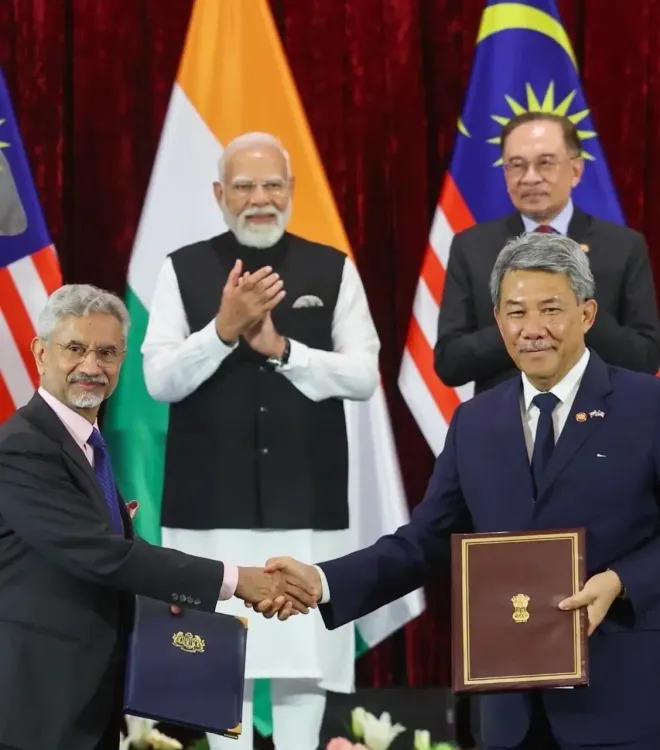
Kuala Lumpur, Feb 8 (NationPress) Prime Minister Narendra Modi and Malaysian Prime Minister Anwar Ibrahim were present on Sunday for the signing of six significant agreements between India and Malaysia, aimed at enhancing cultural, economic, and strategic collaboration during their bilateral meetings in Kuala Lumpur.
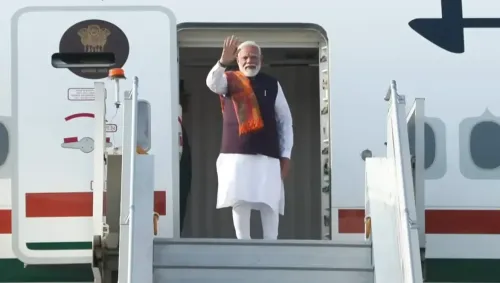
The agreements were reached following extensive discussions between the leaders during PM Modi's two-day official visit to Malaysia.
This visit is viewed as a pivotal step in advancing the Comprehensive Strategic Partnership between the two nations, as stated by the Ministry of External Affairs (MEA).
During their discussions, both leaders identified opportunities to strengthen cooperation across multiple sectors, including trade, investment, semiconductors, defense, security, maritime collaboration, energy, renewable resources, tourism, cultural exchanges, and digital technologies.
They expressed a mutual desire to enhance cooperation in both traditional and emerging sectors of shared interest.
Several crucial bilateral agreements and memoranda were exchanged, focusing on areas such as security collaboration, participation in United Nations peacekeeping missions, semiconductor development, healthcare, disaster management, anti-corruption measures, audio-visual co-production, vocational education, and social security for Indian workers in Malaysia.
During the visit, PM Modi announced the creation of a dedicated Thiruvalluvar Centre at Universiti Malaya, along with the introduction of Thiruvalluvar scholarships.
This initiative aims to promote the teachings and philosophy of the revered Tamil poet Thiruvalluvar, while also enhancing cultural exchanges and personal connections between India and Malaysia, according to the MEA.
Additionally, the Prime Minister revealed India's plan to establish its first Consulate in Malaysia, which is expected to bolster diplomatic engagement and improve support for Indian citizens living in or visiting the country.
Among the signed agreements, cooperation between University of Cyberjaya and ITRA Jamnagar was a significant highlight.
This partnership is centered on traditional medicine and is anticipated to facilitate research and academic exchanges in Ayurveda, while broadening access to holistic healthcare practices and knowledge sharing between the two nations, as reported by the MEA.
In efforts to enhance overall connectivity and economic integration, a subsidiary of the National Payments Corporation of India, NIPL, and Malaysia's PayNet have agreed to work together to create bilateral payment linkages, including integration via the Unified Payments Interface (UPI).
This initiative is set to simplify business operations and provide seamless, cost-effective remittance and payment solutions for tourists, students, and business communities functioning between the two nations.
In another notable development, Malaysia has finalized all formalities to join the International Big Cat Alliance, an initiative focused on the global conservation of big cat species and biodiversity preservation.
Furthermore, the report of the 10th India-Malaysia CEO Forum was presented to the leaders during the visit. This report is expected to offer recommendations and insights to bolster business collaborations and expand trade and investment avenues between India and Malaysia, further enhancing economic engagement between the two countries.
Point of View
It is imperative to highlight that the agreements signed during PM Modi's visit to Malaysia mark a significant advancement in bilateral relations. The focus on various sectors, from security to cultural exchanges, demonstrates a comprehensive approach to strengthening ties. The establishment of a consulate and the promotion of traditional medicine further emphasize the commitment to mutual growth and cooperation.
NationPress
19 Sept 2026
Frequently Asked Questions
What were the key agreements signed between India and Malaysia?
The agreements include collaborations in security, healthcare, disaster management, education, and payment systems.
How will the agreements benefit India and Malaysia?
These agreements are expected to enhance trade, investment, cultural exchanges, and improve security cooperation.
What is the significance of the Thiruvalluvar Centre?
The centre aims to promote the teachings of the Tamil poet Thiruvalluvar and strengthen cultural ties between India and Malaysia.
What role does the International Big Cat Alliance play?
The alliance focuses on the conservation of big cat species and biodiversity protection on a global scale.
What is the Unified Payments Interface (UPI)?
UPI is a digital payments system that allows users to send and receive money seamlessly, enhancing financial transactions between India and Malaysia.